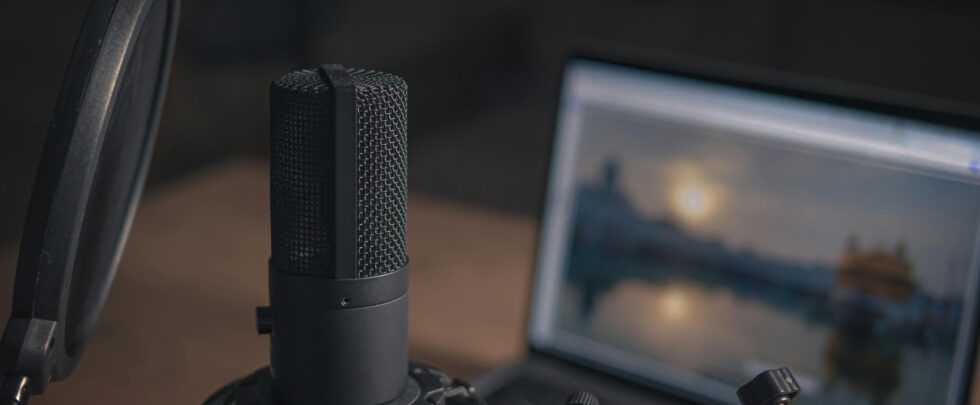
The world of American voice over production is a fascinating blend of creativity, technology, and precision. Whether it’s the compelling narration in documentaries, the vibrant characters in animations, or the persuasive tone in commercials, voice over artists bring scripts to life with their voices. But what does the production process look like behind the microphone? This article takes you behind the scenes of American voice over production, revealing the essential steps, key players, and industry insights that contribute to this dynamic field.
Understanding American Voice Over Production
What Is American Voice Over?
American voice over refers to the art and process of recording voice tracks for various media types such as television, radio, video games, films, and online content. It involves professional voice actors lending their voices to characters or narrations, often tailored to appeal to the American audience with specific accents, dialects, and cultural references.
The Importance of Voice Over in Media
- Enhances storytelling by adding emotional depth
- Provides clear information and instructions
- Drives advertising and marketing campaigns effectively
- Creates immersive experiences in video games and animations
According to the Global Voice Over Market report (2023), the U.S. market accounts for over 40% of global voice over revenue, underscoring its significant role in the entertainment and advertising industries.
The Voice Over Production Process: Step by Step
1. Script Preparation and Casting
The journey begins with a carefully crafted script designed to fit the project’s goals. Producers and directors collaborate to finalize the content, tone, and style. Next comes casting, where voice directors select talent based on vocal qualities, experience, and suitability for the role.
Casting considerations include:
- Voice tone and range
- Accent and pronunciation
- Ability to convey emotion
- Previous work and reputation
Casting agencies and online platforms like Voices.com and Backstage have streamlined talent searches, offering access to thousands of American voice over artists.
2. Recording Session
Once the talent is chosen, the recording session takes place in a professional studio or remotely via high-quality home setups. Studios are equipped with state-of-the-art microphones, soundproofing, and digital audio workstations (DAWs) to ensure crystal-clear recordings.
Key elements of a recording session:
- Direction by voice director to guide performance
- Multiple takes to capture the perfect delivery
- Use of scripts with phonetic guides for complex words
- Monitoring for consistent tone and pacing
Remote recording has become increasingly popular, especially post-pandemic, allowing talent to work from anywhere while maintaining professional standards.
3. Audio Editing and Post-Production
After recording, audio engineers edit the raw files to remove breaths, clicks, and background noise. They also adjust timing, tone, and volume to create a polished final product. Sound effects and background music are sometimes added depending on the project.
Post-production highlights:
- Noise reduction and equalization
- Timing adjustments and pacing refinement
- Synchronization with visuals for animation or video
- Final mastering to meet broadcast standards
4. Client Review and Revisions
Clients review the completed voice over tracks and request any necessary revisions. This iterative process ensures the final output aligns perfectly with the brand’s or project’s vision.
Key Players in American Voice Over Production
Voice Talent
Professional voice actors are the heart of the production, bringing scripts to life with their vocal skills. Many specialize in specific niches such as commercials, audiobooks, or animation.
Producers and Directors
They oversee the entire production, from script development to final delivery, ensuring creative and technical quality.
Audio Engineers
These technical experts handle recording, editing, mixing, and mastering, ensuring the audio meets industry standards.
Casting Agents
They connect projects with appropriate voice talent, streamlining the selection process.
Industry Trends and Insights
- Rise of Remote Recording: The adoption of remote voice over sessions has increased by over 60% since 2020, offering flexibility and access to diverse talent.
- Diversity and Inclusion: There is growing demand for authentic voices representing various ethnicities and backgrounds in American voice over work.
- AI Integration: While AI voice synthesis is emerging, human voice over remains preferred for emotional authenticity and nuanced performances.
- Growing Market: The U.S. voice over industry is expected to grow annually by 7% through 2026, driven by expanding digital media and advertising sectors.
Conclusion: The Art and Science of American Voice Over Production
American voice over production is a meticulous process that combines artistic talent with technical expertise. From script to final product, each step is crucial in delivering compelling audio content that resonates with audiences. As technology evolves and market demands shift, the industry continues to innovate while maintaining the human touch that makes voice over truly impactful.
Key Takeaways
- American voice over plays a vital role in media, marketing, and entertainment.
- The production process involves script preparation, casting, recording, editing, and client revisions.
- Professional studios and remote setups ensure high-quality recordings.
- Industry trends highlight growth, diversity, and technological integration.
- Human voice talent remains indispensable for authentic and engaging performances.
For brands and creators aiming to captivate American audiences, understanding the behind-the-scenes dynamics of voice over production is essential for success.