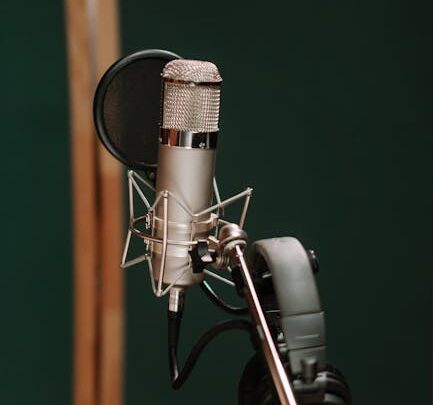
The Early Days: Origins of German Voice Over
The roots of German voice over can be traced back to the early 20th century with the rise of radio broadcasting. Radio quickly became one of the most popular media formats, demanding clear, articulate, and engaging voices to deliver news, entertainment, and advertisements. Early German voice actors often came from theater backgrounds, bringing strong theatricalism and diction to their performances.
Post-World War II, Germany experienced a boom in media production, and dubbing foreign films and television shows into German became an essential part of the entertainment industry. This period marked the establishment of the famous "Synchronsprecher" culture — highly respected voice actors known for consistent voice dubbing of international stars, which remains critical in German media today.
Technological Advancements and Their Impact
1. Analog to Digital Recording
The shift from analog tape recording to digital technology in the late 20th century revolutionized German voice over work. Digital studios allowed for faster editing, higher audio fidelity, and easier distribution. Voice talents and producers could now record multiple takes without degrading quality, streamlining production workflows considerably.
2. Rise of the Internet and Online Platforms
The internet boom facilitated a new era of freelance voice over work. Online casting platforms allowed voice actors to submit auditions remotely, expanding opportunities beyond traditional studios in major cities like Berlin, Hamburg, or Munich. Clients could now access a more extensive, diverse talent pool, including regional accents and dialects inherent to different German-speaking regions.
3. Text-to-Speech and AI Voices
One of the most groundbreaking recent advancements involves artificial intelligence (AI) and text-to-speech (TTS) technologies. AI-generated German voices have grown more natural and expressive, finding use in navigation systems, customer service bots, e-learning, and audiobooks. While human voice talent remains irreplaceable for emotional nuance, AI integration is revolutionizing cost efficiency and accessibility for many projects.
The Unique Characteristics of German Voice Over
German voice over stands out due to several linguistic and cultural factors:
- Regional Dialects and Accents: Germany’s regional diversity is reflected in voice over work, where specific accents like Bavarian, Saxon, or Berlin dialects cater to niche audiences or add authenticity to characters.
- Precision and Clarity: German’s phonetic complexity demands precise articulation from voice artists, making clarity and proper enunciation crucial to audience comprehension.
- Formal vs. Informal Tone: German voice over often balances between formal and informal modes of address, depending on the target demographic and medium (educational content vs. commercials).
- Greater AI-Human Collaboration: Hybrid models combining AI-generated base voices with human refinement will likely become more common, producing faster yet emotionally engaging content.
- Immersive Experiences: Voice over will play a vital role in virtual reality (VR) and augmented reality (AR) environments tailored for German audiences.
- Increased Personalization: Advances in data analytics will enable voice over to be customized for individual listeners’ preferences, creating more personalized consumer experiences.
Current Trends in German Voice Over
1. Multilingual and Multicultural Demand
Germany’s multicultural population has led to increased demand for voice over in multiple languages and dialects, including Turkish, Arabic, Polish, and Russian. This trend reflects broader inclusivity and globalization in media.
2. Podcasts and Audiobooks Boom
The surge in popularity of podcasts and audiobooks has created fresh opportunities for German voice actors. Storytelling, dramatization, and narrations tailored to German speakers have become an essential part of audio entertainment and education.
3. Sustainability and Ethical Considerations
As environmental awareness grows, some German studios focus on sustainable production practices, including energy-efficient equipment and remote recording setups that reduce carbon footprints. Ethical considerations in voice actor hiring and fair pay are also gaining attention.
The Future of German Voice Over
Looking ahead, the German voice over industry is poised for continued innovation and adaptation:
Conclusion
The evolution of German voice over is a testament to the dynamic interplay of culture, language, and technology. From theatrical radio performances to AI-enhanced narrations, German voice over continues to adapt and thrive in a fast-paced media landscape. As demand for authentic, clear, and engaging voice content grows, Germany’s voice talents and technological innovators will undoubtedly shape the future of audio communication for years to come.
---
Meta Description: Explore the fascinating evolution of German voice over, from early radio to AI-driven technologies, regional dialects, and future industry trends shaping this dynamic field.