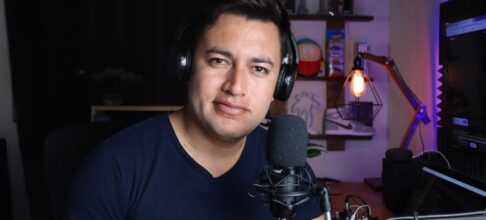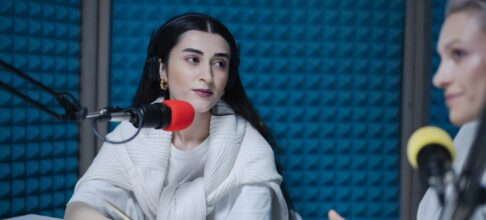
It’s a small, dim-lit studio on Yerevan’s outskirts that offers a surprisingly clear lens into one of media localization’s least discussed power shifts. In late , Soundworks Armenia—a boutique audio post house—landed its biggest gig yet: providing Armenian voice over for a mid-budget European animated series headed for streaming release in Russia, Georgia, and Armenia. The catch? The client expected the same emotional fidelity found in their German and Spanish versions—but with half the time and budget. This is where things get interesting.
The Uneven Playing Field
For decades, Armenian language content was squeezed out by Russian imports or left to subtitling. Most international studios considered full Armenian dubbing unviable; demand felt too niche, budgets were thin, distribution unpredictable. Even as late as , Netflix’s regional offerings carried little-to-no Armenian language support beyond basic subtitles—despite a steady rise in local streaming adoption (Armenia’s digital video market has grown by an estimated % since , according to local telecom figures).
But something changed around . The launch of regionally focused platforms like Kinodaran brought new expectations for native-language experiences—not just text translation, but performances delivered with nuance only fluent speakers could achieve. Suddenly, “good enough” wasn’t good enough anymore.
A Workflow Case: From Script to Studio Floor
At Soundworks Armenia last autumn, the process resembled what you’d see at Berlin’s VSI or Paris’ Mediadub studios—only on a tighter clock and with fewer hands on deck. Scripts arrived in English; dialogue directors rewrote not just lines but jokes and idioms to land with local punch. Casting sessions drew from the city’s theater scene (the National Academic Theatre remains a primary talent pool). Recording days often ran past midnight.
One workflow quirk? With experienced engineers scarce locally—the post-Soviet exodus hit creative trades hard—the studio used remote mixing via Munich-based partner SonicSync for final balancing. It’s become routine: smaller studios across Eastern Europe now rely on cloud-based audio tools like Audient EVO interfaces or even Source-Connect for real-time collaboration between cities. As one engineer put it during our visit: “If we waited for everyone to be in Yerevan at once, nothing would ever get finished.”
Authenticity as Commercial Value
Why did this project matter so much? Because localized voice isn’t just about linguistic access—it sells believability. In test screenings run by DreamAsia Media (a mid-tier distributor), shows dubbed natively saw completion rates jump up to % higher among young adults compared to subtitled-only releases on Armenian VOD services.
This pattern is echoed elsewhere: Polish game developer CD Projekt hired native Armenian VO actors for certain Gwent expansions after seeing double-digit engagement spikes from Caucasus-region players—an unusual move given most AAA games still skip minority languages entirely.
Tensions Behind the Scenes
Of course, every leap forward comes tangled up with new headaches. Rights negotiations drag longer when more markets demand parity; some US licensors resist investing in “smaller” dubs unless guaranteed minimums are met—a common complaint heard at Baku localization summits in .
Even so, regional agencies have gotten creative with hybrid AI–human workflows to slash costs without gutting authenticity. Studios like Tumo Labs experiment with synthetic voices for background roles while keeping leads performed live—an approach that cut their latest children’s series timeline by nearly %, according to project manager Mariam Hovsepyan.
A Quick Historical Detour: From Dubbing Deserts to Digital Renaissance
There was a time—in the late Soviet era through the early ‘90s—when state-funded dubbing theaters handled nearly all imported film work in Armenia. After independence (), funding vanished overnight; TV stations filled hours with Russian overdubs or untranslated imports instead.
By contrast, today there are more than ten independent facilities offering professional-level VO services in Yerevan alone—not counting freelancers who work remotely from Vanadzor or even Los Angeles diaspora hubs.
The Next Chapter Isn’t Predictable… Yet
Is this growth sustainable? The truth is no one knows how long funding will keep pace with audience appetite—or whether AI will undercut human jobs before they’ve fully matured locally. But if you walk into any production suite at Lumen Films or Soundworks these days, you’ll hear voices shaping tomorrow’s stories—with unmistakably Armenian cadence.