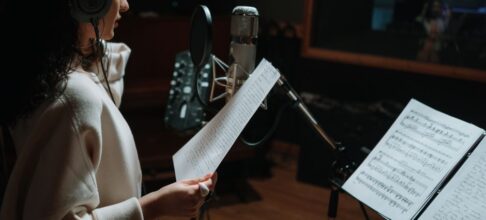
It’s , and the sound booth at Audio Arte—a leading post-production studio in Sofia—buzzes with nervous energy. A small but crucial job is underway: the Bulgarian voice over adaptation for the Netflix crime drama “Narcos.” On the other side of the glass, an actor rehearses a tense monologue, his tone balancing between menace and charm. For every minute he performs, a web of economic activity hums quietly in the background.
Voice over rarely makes headlines in Bulgaria’s national papers. Yet, if you trace its digital footprints through studios like Doli Media Studio or VSI Sofia, you’ll find an industry whose impact stretches far beyond pop culture or Saturday morning cartoons. It connects freelance actors to multinational platforms, keeps translators gainfully employed, and nudges tech-savvy youth into audio editing gigs they never considered while studying linguistics at Sofia University.
Not Just Cartoons: Real Budgets, Real Jobs
Contrary to stereotypes about small markets, Bulgaria’s dubbing sector isn’t just a passion project for local cinephiles. In alone, industry insiders estimate that over 1, hours of international content were adapted with Bulgarian voice over for streaming platforms and television broadcasters. This work isn’t limited to children’s programming—crime dramas from Spain, Turkish soap operas on bTV Media Group channels, and even e-learning modules for German automotive firms all pass through Bulgarian studios.
A recurring pattern? Western European companies seeking affordable yet high-quality localization often route projects through Sofia instead of pricier hubs like Paris or Berlin. Local rates typically sit around -% lower than those found in Western capitals—though this gap has started to close as demand rises and talent migrates elsewhere.
Case Study: From Netflix Scripts to Local Paychecks
Take VSI Sofia—the Balkan branch of global localization heavyweight VSI Group. Their workflow for "Money Heist" in Bulgaria involves a dizzying relay race: scripts arrive electronically from Madrid via London; translation teams polish dialogue overnight; casting coordinators scramble to match the Spanish cast’s vocal timbres with local actors; two days later, recording begins. A single season can employ – freelance voice talents plus half a dozen engineers and project managers—all within one city block near Orlov Most.
Multiply this by dozens of shows per quarter across various studios (not only VSI but also Doli Media Studio and smaller outfits like Leo Vision), and you get a payroll ripple effect touching hundreds. In practice:
- An average drama series brings €5–10k per episode into local hands when all labor costs are included.
- Mid-sized studios report up to % revenue growth year-on-year since , fueled mostly by streaming client contracts rather than traditional TV.
- Script adaptation must match both lip-sync and cultural nuance.
- Quality assurance involves additional rounds of native review.
- Actors sometimes receive royalties tied to digital distribution success—a rare practice but growing among higher-budget productions.
Beyond Entertainment: E-Learning and Game Localization
The largest chunk still comes from entertainment media—but that’s shifting. In recent years, game developers like Haemimont Games (best known internationally for "Surviving Mars") have begun commissioning localized trailers and cut-scenes using dedicated Bulgarian voice actors instead of English-only versions. The process is more involved than simple subtitling:
Meanwhile, e-learning providers serving German auto manufacturers or Austrian banks now routinely demand Bulgarian audio tracks for compliance training modules. According to several language service providers in Plovdiv—such as Lexicon Translations—it’s not uncommon for half their annual revenue to come from these non-broadcast projects where voice over plays a critical role in accessibility.
Tech Disruption: AI Voices Meet Human Craftsmanship
No discussion is complete without addressing synthetic voices—which are no longer science fiction in regional workflows. Studios in Sofia have started experimenting with AI-driven tools like Respeecher or ElevenLabs (albeit cautiously). One mid-sized agency reports saving up to % on demo reels using AI-generated samples before full human production begins—a workflow increasingly mirrored by counterparts in Warsaw and Budapest as well.
But here comes friction: while cheap AI voices tempt corporate clients looking for scale (e.g., thousands of IVR prompts), quality-conscious entertainment clients remain wary of uncanny valley effects on flagship projects. So real jobs persist—not just at microphones but behind mixing desks fine-tuning every syllable.