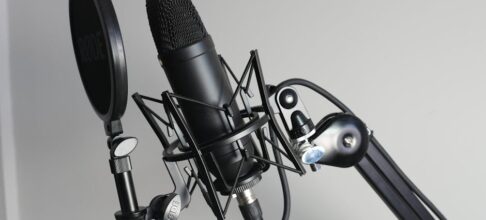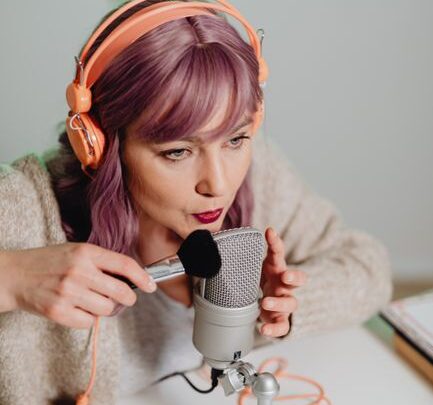
At a studio in Prague last winter, I watched two Czech sound engineers argue over vowel stresses in a Russian-language script for an upcoming Netflix crime drama. The client—an international production house with roots in Berlin—insisted that the voice-over talent capture the subtle menace of their British lead. That morning, four takes in, and they were still rewinding the same twelve seconds. The tension was palpable: does anyone outside Russia really care about Russian voice over? Judging by the exasperation on both sides of the glass, at least one streaming giant thought so.
Let’s be honest. For most Western content producers, Russian used to mean “another localization checkbox.” But since 2017, when YouTube analytics started reporting high double-digit viewership spikes out of Moscow and St Petersburg for English-language content dubbed into Russian, something shifted. Suddenly, mid-tier agencies from Tallinn to Warsaw were fielding requests for native Russian narration—not subtitles, not auto-dubbed AI voices, but studio-grade human performances.
When “Good Enough” Isn’t
A familiar pattern emerges in European game studios. Take CI Games in Poland: several years ago, their QA team discovered that while German or French dubs could pass with minor tweaks from automated systems like Papercup or Descript, Russian feedback was brutal. Gamers complained about intonation quirks that made main characters sound like robots pretending to be humans (in a genre already oversaturated with literal robots). By 2021’s Sniper Ghost Warrior Contracts 2 release cycle, CI Games had stopped using synthetic tools for Russian entirely—opting instead for a boutique Moscow-based voice agency specializing in narrative-driven games.
The numbers don’t lie. In post-release surveys collected by CI Games’ marketing team, satisfaction with Russian voice acting jumped from below 60% to over 85%. Retention rates for players using full localization increased by nearly a third compared to titles relying only on text translation or partial VO.
Streaming Wars and the “Vodka Test”
In real campaigns observed in Australia’s multicultural media sector—particularly with platforms like Stan and SBS On Demand—the appetite for niche language adaptation is growing. Yet Russian remains oddly polarizing: either it’s invested in heavily (full cast recordings) or barely at all (auto-generated subtitles). One veteran producer told me offhandedly about what she calls “the Vodka Test”: if your narrative involves even a single scene set east of Kyiv, local consultants will insist on authentic Russian dubbing as a mark of respect—and realism—for diaspora audiences tuning in from Sydney suburbs.
Netflix itself has quietly ramped up its native language content pipeline since 2019; their animated series "Kipo and the Age of Wonderbeasts" launched with both dubbed and subtitled options for CIS markets. According to internal estimates leaked during the pandemic-era streaming surge (2020–21), viewership completion rates among Russian-speaking subscribers nearly doubled when properly localized audio was available.
The Corporate Pitch: Who Actually Pays?
In practice, budgets are not always friendly to high-quality multilingual adaptation. A common workflow at smaller agencies—like Riga’s SoundBridge Studio—involves triaging which markets receive full voice-over versus those relegated to basic subtitling. They routinely advise clients that investing €8–12k per hour of finished audio for professional-level Russian dubbing delivers measurable ROI when targeting former Soviet states—where audiences demonstrate notorious aversion toward machine-translated dialogue tracks.
But there are exceptions that prove this rule doesn’t fit everywhere. For B2B e-learning modules produced out of Munich (think Siemens training materials), automated tools like ElevenLabs have become standard since late 2022; here accuracy trumps artistry. Yet as soon as one project pivots toward public-facing brand storytelling—a car commercial destined for Moscow billboards or an explainer video targeting Saint Petersburg fintech startups—the creative directors revert without hesitation to handpicked native speakers sourced through old-school casting calls.
Gaming Has No Patience for Fakes
A telling anecdote comes from Remedy Entertainment in Finland during their localization push for "Control." Mid-2019 saw them experimenting with synthetic VO pipelines across several languages but dropping them fast after negative beta tester reactions out of Russia. As one developer admitted: “If you want immersion—even just emotional buy-in—you can’t fake it.” Since then, Remedy has maintained direct partnerships with Saint Petersburg-based actors who provide character continuity across sequels and DLCs—a deliberate investment justified by sustained sales growth across CIS territories (estimated 20–25% higher than comparable regions lacking full VO).
Unexpected Angles: TikTok Creators & Audio Memes
Not every use case fits neatly into film or triple-A gaming. In mid-2023 I sat through a pitch meeting at an Estonian influencer agency where TikTok creators debated whether commissioning custom Russian voice-overs would boost engagement among Kazakhstan viewers bored by generic English memes. Their experiment? Two weeks running split tests between auto-captioned videos and clips narrated by native St Petersburg talent booked via Voices.com. Engagement tripled on the latter—a trend now echoed among Polish YouTubers breaking into Moldovan subcultures.
It’s Not Just About Language – It’s About Trust
Ask any head of content at a global platform why they bother with costly localization and you’ll hear variations on one theme: trust signals matter more than ever post-2020 misinformation crises. For Amazon Prime Video rolling out original shows across Eastern Europe since late 2021, rigorous audience research led them to prioritize authentic-sounding local audio over merely accurate translations—even if that meant abandoning cheaper AI workflows used elsewhere.
As a postscript: Yandex Music reported user retention rates climbed sharply among listeners switching from playlist-style American podcasts dubbed via neural networks to those featuring homegrown narrators speaking idiomatic regional slang—a non-trivial edge in Russia's fiercely competitive streaming landscape circa early 2024.
What About Cost?
Is this attention worth it? Only if you’re playing long-term games—or dealing with famously opinionated fanbases who will roast bad dubs on VK threads before breakfast.
Budgets ranging from €5k per episode (indie docuseries) up to €30k+ per AAA game chapter are no longer rare sights on invoices sent between Hamburg agencies and Moscow sound studios these days. For context: that's roughly double what Polish or Romanian versions might fetch unless star talent is involved.
Where companies cut corners? Educational apps aimed at children under ten often choose hybrid solutions—core vocabulary spoken by humans supplemented by AI-generated filler lines—to keep costs reasonable without alienating parents accustomed to "real teacher" voices on state television since the Soviet era.
Final Word From Inside The Booths
Walk into any mid-sized post-production house east of Berlin these days and you’ll likely see two queues forming outside recording booths: one labeled “quick fix,” another marked “authenticity.” Increasingly—with bigger money riding on cross-border launches—the latter queue stretches longer when someone whispers "Russian market." If nothing else convinces you it’s worth attention… just try ignoring it next time your campaign flops across CIS borders despite flawless English scripting.