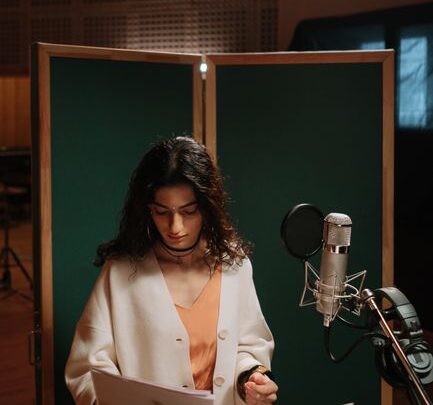
You can almost smell the burnt coffee in the cramped sound booth. Not far from Cairo’s Media Production City, a seasoned voice actor stares at a script—half of it crossed out and re-written in pen. The engineer, Ahmed, taps on the glass: “Again, but with less Egyptian accent.”
It sounds simple—just read the lines. But those who’ve worked inside Middle Eastern dubbing studios know that Arabic voice over is anything but formulaic.
Messy Realities: Dubbing for 22 Countries
Let’s get this out of the way: there isn’t one Arabic.
Netflix learned this the hard way when they launched their Arabic-dubbed library in 2018. Their first batch of animated content used Modern Standard Arabic (MSA), aiming for universal comprehension across all 22 member states of the Arab League. Yet within weeks, social media users from Casablanca to Muscat complained that MSA sounded cold—like a news anchor reading bedtime stories.
In practice, what works for schoolbooks rarely lands for cartoons or video games. In Riyadh-based G-Cube Studio, producers often debate whether to use local Saudi dialects or stick with pan-Arabic conventions. According to their project manager Laila Habib, “Clients want ‘neutral’ but audiences crave authenticity.”
The Dialect Dilemma: Egypt vs The Rest
Here’s something you won’t find in localization textbooks: Egyptian dialect still dominates entertainment dubs, thanks to Egypt’s historic role as the region’s pop culture factory since the 1950s golden age of cinema.
A mid-2022 campaign by Dubai production house MBC Studios proved this point. When asked to localize an Italian children’s series into Arabic, clients initially requested Levantine accents (Syrian/Lebanese). After early focus group tests flopped in North African markets, MBC reverted back to Egyptian dialect for broader appeal. Their internal data showed 40% higher engagement among Moroccan and Algerian kids compared to previous attempts using other dialects.
But it doesn’t always go smoothly. Brands targeting Gulf countries now often split budgets for two separate versions—a costly compromise rarely needed in European language markets.
Workflows Behind Closed Doors: One Script, Three Rewrites
In typical workflows at mid-sized post-production houses like Tunisia-based Medialogic Labs, scripts are not simply translated then recorded; they’re adapted three times:
1) Literal translation by linguists;
2) Localization by cultural consultants;
3) Performance tweaks during recording sessions based on director feedback and real-time audience testing if possible.
This means projects balloon both in time and cost compared to English or French equivalents—a fact not lost on agencies pitching multi-market campaigns for brands like Samsung or Unilever across MENA.
How AI Dubbing Tools (Almost) Broke Things… Then Helped Fix Them
By late 2021, automated voice synthesis platforms like Respeecher began promising fast-track solutions for multinational media companies scrambling after pandemic-era streaming booms.
In practice? A Beirut-based advertising agency ran a pilot using AI voices for a Ramadan commercial rollout across five Arab countries. Initial turnaround was blisteringly fast—under three days—but test audiences flagged robotic intonation and mismatched references (“iftar” pronounced like “lifter”).
The fallout: By summer 2022 most major campaigns in Morocco and Jordan returned to human-led sessions—with AI reserved only for internal pre-visualizations or non-broadcast training material. Industry insiders now estimate that fewer than 15% of premium ad spots use fully automated voice overs today in Arabic-speaking regions; most combine synthetic drafts with live re-recordings by local actors.
Gaming & Animation: Authenticity Sells (or Flops)
Ubisoft Abu Dhabi provides an illustrative case from their development cycle on "Growtopia" (2019–2022). Early builds featured pan-Arabic narration generated via TTS engines; user retention among Emirati gamers was lower than expected (by roughly 18%, according to team leads). Only after recruiting native Emirati and Egyptian actors did play session metrics improve—demonstrating that young users recognize (and care about) linguistic nuance more than many global publishers anticipate.
Cultural Landmines: What You Don’t Say Matters More Than What You Do Say
Take humor—the lifeblood of animation and advertising alike. In real campaigns observed in Kuwait City through regional agency Bensirri PR, jokes relying on wordplay often stall when carried over from English originals into any variety of Arabic; even minor religious references must be vetted line-by-line by teams familiar with both Sharia boundaries and secular taboos unique to each country.
It’s not just about what words mean—it’s about what they imply several borders away.
Pay Rates & Talent Shortages: No Simple Answers Here Either
Unlike Western Europe where unions set minimum rates per session hour, much of the Middle East operates under an informal network model. Freelancers with high-demand voices—think someone who can nail both Tunisian slang and classical Fusha—can command up to double standard rates during peak TV seasons such as Ramadan or Eid.
But ask around Amman’s tight-knit studio community and you’ll hear constant complaints about talent shortages outside major hubs like Cairo or Beirut—a bottleneck that pushes turnaround times from days to weeks whenever large-scale projects drop simultaneously across multiple platforms like Shahid VIP or Anghami Originals.
Historical Milestones That Still Shape Today’s Market Dynamics
It would be remiss not to mention how state broadcasters shaped regional preferences long before Netflix arrived on scene. Back in the early 1980s, Egypt’s Radio & Television Union standardized dubbing protocols still referenced today by Qatar-based Al Jazeera Children Channel when commissioning new work—even as private sector studios experiment with hybrid workflows blending remote direction tools (Zoom-like apps have quietly become industry staples since COVID).
Uncomfortable Truths About Quality Control
If there is an open secret here, it’s this: big-brand projects sometimes prioritize speed over linguistic finesse when facing pan-MENA rollouts under tight deadlines. Audio engineers I’ve spoken with at Istanbul's Soundscape Studios describe last-minute changes forced through WhatsApp groups hours before airdate—a workflow unthinkable in German or Japanese pipelines where locked scripts are law months ahead of launch dates.
The Future Is Fragmented—and That Might Be Good News
Despite all efforts toward unifying processes or centralizing talent pools via cloud production suites like Voquent Connect (which saw triple-digit growth among UAE-based clients between mid-2021 and late-2023), demand patterns suggest further fragmentation is likely as brands chase ever-more targeted micro-audiences across TikTok reels, podcast intros, gaming cutscenes…you name it.
Realistically? Any talk of one-size-fits-all solutions will remain wishful thinking well into this decade—and perhaps beyond—as long as "Arabic" continues meaning different things depending on which passport you hold or which city your client lives in next week.