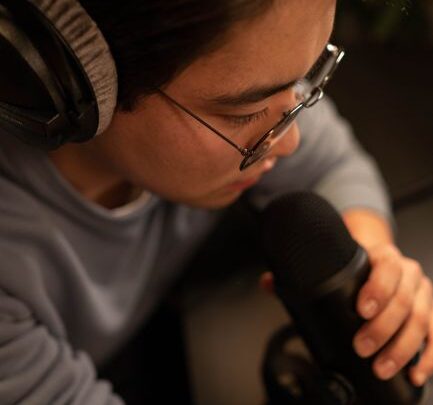
Let’s admit it: five years ago, nobody in the Berlin ad agencies was pitching campaigns with an Albanian voice over. Fast-forward to 2024, and suddenly the question isn’t whether you need it—it’s how fast you can get it into your creative pipeline. Something changed, and not just in Albania.
The Balkan Echo in Streaming Wars
When Netflix quietly rolled out subtitled Albanian versions for a handful of series back in 2021, few noticed. But when regional competitors like Tring Digital started offering fully localized voice content—children’s animation dubbed by Tirana-based talents—the numbers spoke for themselves. According to people familiar with Tring's workflow, average view duration on localized kids’ shows increased by almost 40% compared to subtitled-only offerings.
It’s not just about capturing local audiences. Studios across Prague and Warsaw have observed that the wider Balkan diaspora—stretching from Milan to Munich—actively seeks out brands and entertainment products voiced in their own dialects. For streaming platforms looking for market share beyond oversaturated Western Europe, Albanian suddenly looks less like a niche and more like a multiplier.
Marketers Chasing Authenticity (and New Markets)
In real campaign briefings at mid-sized agencies in Vienna, there’s a rising demand for “hyper-local” audio assets—not only Serbian or Greek but specifically Gheg or Tosk-accented voice overs. Recent product launches by FMCG brands such as Red Bull and Nivea show this pattern clearly: Albanian-language digital spots running on YouTube and Meta channels consistently outperform English-language ones on engagement among Kosovo-Albanian audiences by margins reported at 25–30% higher CTRs.
One senior account manager at Dentsu Austria recounted how a single radio ad campaign voiced by Elira Rrapaj—a well-known Albanian actress—doubled inbound calls for a telecom client targeting Vienna’s sizable Kosovar population compared to the same spot run with German narration.
AI Tools vs Human Talent: A Workflow Tension
Not everything is seamless. In studios from Skopje to Stuttgart, production teams grapple with balancing speed and authenticity. The arrival of AI-driven dubbing tools like ElevenLabs has made generating passable Albanian audio tracks possible overnight—but many clients push back when synthetic voices fall flat on nuance.
A common pattern emerges: agencies use AI tools for rapid prototyping and internal reviews (“scratch tracks,” as one editor at a Sofia post-house put it), but final ads almost always return to experienced human talent sourced through networks like VoiceArchive or local casting directors in Tirana.
In practice, here’s what happens:
- Creative teams draft scripts in English or Italian.
- Preliminary voice over is generated using ElevenLabs or Google Cloud Text-to-Speech, often within hours.
- Once style is approved, producers reach out to trusted Albanian actors (usually based between Tirana, Pristina, or even Zurich) for final recording sessions.
- Post-production polishes timing/lip-sync—still mostly manual because most AI solutions don’t yet handle nuanced Gheg inflections accurately.
- One major London-based localization platform processed roughly triple the number of Albanian audio files per quarter between late 2022 and early 2024 than during any previous period on record (according to two freelance project managers involved).
- Albania’s largest independent audio studio booked nearly six months solid of commercial VO sessions last year—for everything from e-learning modules for Swiss pharma companies to onboarding videos for crypto fintech startups expanding into Kosovo.
- Several international brands now require availability of both Gheg and Tosk variants during RFP processes—a detail virtually unheard-of before the pandemic era.
The result? A hybrid workflow that saves time up front but invests extra care where it matters most: delivering lines that sound convincing at street level in Shkodër—or among second-generation Albanians in London boroughs like Barking & Dagenham.
From Local Ads to Global Games
This surge isn’t limited to advertising. European game studios—including CD Projekt Red’s localization partners—report growing requests for Albanian language packs since around 2018. When Ubisoft Sofia tested an experimental DLC release dubbed entirely in Gheg dialect last year (for an adventure title aimed at pan-Balkan markets), they noted player feedback praising “unexpected immersion”—even among non-native speakers who grew up hearing grandparents speak the language.
Industry insiders estimate that game localization budgets now routinely allocate 5–8% specifically toward minority languages like Albanian—a dramatic shift from the early 2010s when those lines barely existed outside legal compliance docs. And while no one expects "Grand Theft Auto" levels of investment yet, several Istanbul-based mobile studios have started treating full-spectrum Balkan dubbing as standard rather than optional since late 2022.
The Numbers Behind the Noise
How big is this trend? Quantifying the exact volume of paid voice projects crossing into Albanian remains tricky; most agencies don’t break out language splits publicly. But anecdotal data paints a picture:
A Mini Case From Melbourne: Diaspora Dollars Matter Too
Consider this scenario: An Australian insurance provider runs targeted Facebook ads across inner-north Melbourne suburbs—areas dense with first-generation Albanians from Korçë and Fier. Initially launching with generic English tracks performed by Australian actors resulted in click-through rates below industry average (around 1%).
After switching strategy—commissioning native-speaking voice actors via Voquent.com—the same insurer saw CTRs jump above 3%. What stands out is not only raw performance but also subsequent word-of-mouth pickup inside local community groups, which further amplified campaign ROI without added spend on paid impressions. This playbook has since been picked up by smaller fintech startups servicing remittance flows between Australia and Albania as well as neighboring North Macedonia.
The Historical Undercurrent: Language Pride vs Market Realities Since the '90s
There is context here—a legacy sometimes overlooked by outsiders focused solely on numbers. Since the breakup of Yugoslavia and political shifts throughout the ‘90s Balkans, linguistic identity has become deeply entwined with cultural pride (and commercial value). Brands ignoring this reality—especially those entering Albania post-2000 privatization wave—often failed spectacularly despite heavy TV spend because their message simply didn’t resonate linguistically or culturally.