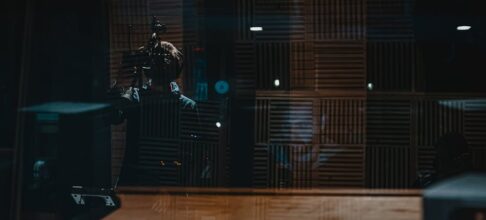
Let’s break a spell here: Albanian voice over is not just about translating lines and hiring someone with clear diction. That’s the public version—one that skips the intricate, slightly chaotic core of what actually happens when you try to localize content for this Balkan language. Especially if you’ve ever walked through the doors of an audio studio in Tirana or tried to sync dialogue for a children’s animation in Pristina, you know there are unspoken tensions threading every part of the process.
Where Timing Meets Tongue Twisters
One recurrent production headache comes down to timing. Albanian tends to be more wordy than English; sentences stretch like elastic. In 2022, a mid-sized localization agency based in Munich (let’s call them Voko Media) wrestled with adapting a popular Spanish telenovela for an Albanian streaming platform. Each episode ran 6–8% longer after translation, wrecking havoc on lip sync and pacing.
The project manager at Voko recalls spending late nights trimming dialogue, only for the client—a newly launched OTT service out of Kosovo—to demand even tighter alignment. The technical team had to manually re-time hundreds of audio cues. This isn’t rare; ask nearly any post-production house between Basel and Skopje about “the Albanian stretch.”
Talent Pool? More Like Talent Puddle
There’s a persistent myth among international production managers that small languages have untapped reserves of eager voice talent waiting by the phone. The Albanian market laughs at this idea.
In practice, studios across Tirana operate with a roster of perhaps 15–20 proven voices—a handful truly specialized in commercial or narrative work. During the pandemic years (2020–2021), demand from e-learning and mobile app clients spiked by around 30%, according to numbers shared off-record by staff at Digicom Studio Albania. Yet casting directors found themselves recycling the same four female voices for projects as different as medical explainer videos and RPG game cutscenes.
When Netflix quietly started piloting Albanian-language dubs in early 2023 (for regional test audiences), their outsourced vendors in Budapest reportedly struggled to find enough native speakers able to handle character acting beyond basic narration. Several episodes were delayed while remote casting calls stretched out into diaspora communities in Zurich and New York.
An Industry Built On Borrowed Booths
A friend who runs operations at Pixel Sounds—a compact audio post shop serving both Pristina and Skopje—once joked: "We’re all renting each other’s booths." It’s closer to truth than parody.
Most real-world voice over projects in Albania get stitched together from scattered resources: recording booth time borrowed from radio stations, freelance engineers moonlighting after hours, scripts shuttled across WhatsApp threads and Dropbox folders. There are maybe three fully equipped VO studios in Tirana offering ISDN-quality remote direction—the rest improvise with whatever tech they can muster.
In one 2021 campaign for a German car brand expanding into Albania, creative direction came via Zoom from Frankfurt while recording happened inside what was essentially a repurposed school closet near Durrës Beach. No one mentions these details in glossy portfolio reels but everyone working locally knows it’s routine.
The AI Dilemma Arrives Early—And Quietly
In larger European markets, AI-generated voice tools like Respeecher or ElevenLabs have been making headlines since around 2019—but their quiet infiltration into smaller languages often goes unnoticed by outsiders.
By mid-2023, several digital agencies in North Macedonia began experimenting with synthetic Albanian narration for short-form ads targeting social media platforms (think Instagram Stories and YouTube bumpers). The appeal? Cost per minute dropped by nearly half compared to traditional recording sessions—and turnaround times went from days to hours.
But quality is uneven; vowel nuances trip up most TTS models trained on limited datasets. One social media manager at an agency in Shkodër admitted they’ll “cheat” by layering subtle human inflections onto machine-voiced tracks before final delivery so that clients can’t tell where flesh ends and algorithm begins.
Censorship & Cultural Shorthand—Unscripted Obstacles
What gets left unsaid is sometimes more important than what makes it into the script. In real-world workflows observed at regional TV networks like Top Channel during their peak dubbing seasons (especially for Turkish dramas popular since circa 2017), producers routinely flag culturally loaded phrases or jokes considered too risqué or politically fraught.
Scripts may go through three rounds of review—not just for accuracy but also sensitivity: replacing idioms referencing religion or politics with softer analogs understood across both Albania proper and Kosovo’s distinct dialectal landscape. A line that reads as witty banter in Istanbul might become awkward silence after redlining by local editors wary of regulatory pushback or audience backlash on Facebook groups (where feedback arrives fast and brutally).
Why Do So Many Scripts Sound Like They’re From Nowhere?
Here’s another underdiscussed fracture: much commercial Albanian voice over ends up sounding oddly accentless—a neutral zone designed so nobody asks if it was recorded north or south of Elbasan. This "nowhere accent" is intentional; advertisers worry about alienating either side of the north-south dialect split dating back generations.
Even game studios like Red Rain Games (a Balkan indie shop releasing their first AR adventure title in spring 2024) reported spending weeks coaching actors toward this linguistic middle ground—a process that doubled session times compared to English VO takes but was non-negotiable given market sensitivities described above.
Invisible Labor—and Burnout Patterns Everyone Ignores
Here’s something rarely featured on shiny LinkedIn posts: burnout among VO professionals working these hybrid workflows is rampant. Realistically, most jobs involve last-minute script changes funneled via Telegram groups late at night because marketing sign-off arrived late from Vienna HQs keen on pan-Balkan rollout schedules synchronizing across six time zones.
A veteran narrator working freelance between Tirana and Athens confided she once voiced eight different characters within three days for unrelated projects—all on top of her day job teaching linguistics online due to unpredictable cash flow cycles endemic since mid-2010s digital transformation hit local media houses hard.
A Future Built On Patchwork Solutions?
So what do we really see ahead? If industry trends elsewhere are any indication, expect further fragmentation rather than consolidation: more micro-studios popping up from Lezhë to Gjirokastër using everything from open-source DAWs to semi-legal AI plugins downloaded off obscure Telegram channels; diaspora talent tapped via remote sessions patched through signal-lagged home WiFi connections; pressure mounting on script editors juggling shifting idioms across two countries’ worth of audiences whose collective attention span shortens every year.
Maybe someday we’ll get an infrastructure overhaul—the kind Berlin saw after its start-up boom drew big money localization contracts circa late-2010s—but until then? The true breakdown behind Albanian voice over remains messy, improvisational…and fiercely human.