Somewhere between the static of analog tape and the crystalline clarity of cloud-based audio, Albanian voice over work has found itself in an oddly turbulent moment. There’s an expectation—almost a pressure—that all languages should be globally accessible at the swipe of a Netflix remote or the tap of a PlayStation controller. But in practice? The digital age is messy, especially for smaller languages like Albanian.
When Streaming Giants Ignore Small Languages
A few years back, when Netflix expanded to almost every country overnight ( was the pivotal year), there was palpable excitement in Tirana’s small but passionate media translation community. Yet, as local studio Arti Sound discovered, most streaming platforms offered only subtitles—not dubbed audio—for Albanian content. According to their project manager, Eris Leka, "We'd get emails from parents asking why kids' cartoons had Serbian dubbing but not Albanian." As of , even after significant regional growth (Netflix boasts around 250K users in Albania and Kosovo combined), only a handful of programs offer native voice overs. This isn't neglect so much as hard economics; full-scale dubbing requires coordination between linguists, actors, directors, and sound engineers—often for audiences under half a million.
Game Studios Face Their Own Dilemmas
The situation isn’t much different in gaming. International studios like Ubisoft have standardized pipelines for French or Polish dubs: automated scripts push lines into cloud folders for actors across Paris or Warsaw to access within hours. But when Ubisoft Sofia considered adding Albanian for an Assassin’s Creed DLC in (the request came from Balkan fan forums), they hit an impasse: barely any established voice over talent pools existed locally with proven game experience. Instead, what emerged was a hybrid workflow: initial dialogue drafts were sent to Tirana’s small collective Vokal Studio, where two veteran radio presenters split lines between them—recording from home setups using Source-Connect and basic Focusrite interfaces. QA then ping-ponged between Sofia and Tirana over two weeks via Google Drive links—not exactly Hollywood glamour.
Local Broadcasters vs Global Platforms
But here’s where things get counterintuitive: traditional Albanian broadcasters have actually upped their investment in voice over during the streaming era. RTSH (Albania’s public broadcaster) doubled its children’s program dubbing output from to according to internal documentation reviewed by media producers in Tirana. In part, this is because they see niche value where global streamers do not; local advertisers prefer campaigns voiced by familiar personalities whose dialects match target micro-regions—think Gjirokastër vs Shkodër accents.
AI Arrives—But With Hesitations
AI voice technology has become impossible to ignore worldwide since about —with companies like ElevenLabs making headlines for near-human vocal synthesis. Some mid-tier agencies in Pristina now use AI-driven scratch tracks during pre-production phases; it speeds up client approvals by about %. Yet nobody really trusts synthetic voices for final broadcast—at least not yet—in part due to persistent pronunciation oddities that trip up non-standard dialect words common in northern Albania and Kosovo.
A Workflow Snapshot: Commercial Campaigns Go Multichannel
Consider last autumn's beverage campaign by DDB Albania for Birra Korça—a brand with fierce regional pride. The agency produced three variants: one traditional TV spot recorded at Top Channel’s audio suite using long-time drama actor Alfred Trebicka; one Instagram reel voiced by a young Tiranan influencer using her phone mic (edited remotely via Audacity); and one AI-generated English version aimed at diaspora communities abroad. Despite more than half the total impressions coming from digital-only channels, DDB insisted on authentic human narration for every major local variant.
In real campaign reviews (shared among agencies on WhatsApp groups frequented by creative leads across Tirana and Skopje), there’s consensus that while machine voices help with speed—and occasionally cost—they still can’t capture the layered nostalgia or humor embedded in colloquial Albanian speech patterns.
Cross-Border Collaboration Is Still DIY
Unlike German or Spanish markets where localization workflows are industrialized down to billing templates, smaller language studios often improvise project-to-project. For example: when Estonian-based app developer Lingvist localized its vocabulary trainer into Albanian last winter, they contracted two narrators directly via LinkedIn messages and handled post-processing out of Tallinn using Reaper DAW presets scavenged from YouTube tutorials.
Such patchwork solutions are still typical; formal networks—like those seen with Nordic dubbing unions or Italian VO guilds—are rare if not nonexistent around the Western Balkans.
Will Investment Catch Up?
There’s optimism beneath the frustration—a sense that as more global content platforms eye Southeast Europe (Disney+ quietly began testing Macedonian-language tracks this spring), demand for nuanced local voice work will rise accordingly. But until budgets reflect real audience diversity—and AI truly cracks dialect subtleties—the industry will remain caught between tradition and innovation, improvisation and automation.
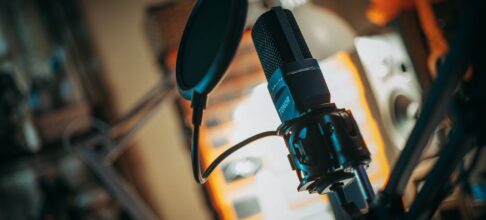
For now? In studios across Tirana and Pristina you’ll find battered headphones beside new USB mics; session notes scribbled on paper next to Slack notifications about script updates; dreams of wider reach tempered by daily realities of resourcefulness.