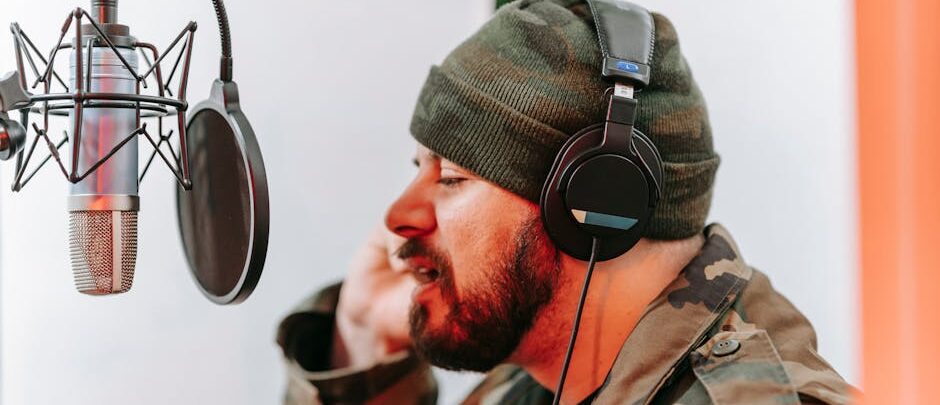
In the glassed-in control room of a Parisian dubbing studio, there's always more tension than you'd expect. Sound engineers mutter about timing, actors get stuck on syllables, and the client—often dialing in from Los Angeles or Berlin—wants "more gravitas, but not too theatrical." Anyone who has witnessed a real session for a French voice over knows it's rarely the seamless process you see in behind-the-scenes featurettes.
A few years ago, during Netflix’s aggressive European expansion (–), the platform pushed hard to localize hits like “Stranger Things” and “Money Heist” into French. The scale was staggering: Paris-based studios such as TitraFilm suddenly faced triple their usual volume of episodic content. Veteran voice directors recall -hour days and frantic WhatsApp threads dissecting whether "Demogorgon" should sound menacing or ironically flat in French. This era set new expectations for both speed and nuance.
Beyond Literal Translation: The Cultural Maze
French voice over isn’t just about swapping words. In France, there’s an almost militant respect for linguistic authenticity—cultural committees have even protested anglicisms on prime-time TV. One veteran at Dubbing Brothers (one of Europe’s largest localization companies) told me they routinely reject scripts that feel "too Anglo-Saxon in rhythm." It’s common to see entire ADR (Automated Dialogue Replacement) sessions spent reworking jokes so they land with classic Parisian dryness rather than American slapstick.
Case in point: Ubisoft's narrative teams in Montreal often collaborate directly with Paris-based recording booths when localizing big franchises like Assassin’s Creed. For “Valhalla” (), script leads reportedly cycled through five different voice talents for Eivor before settling on someone who could balance Old Norse menace with subtle French irony—a tonal blend that's instantly recognizable if you've lived with French media.
Workflow Realities: From Script to Screen
In typical workflows at mid-sized agencies like Nice-based Mediadub International, the process unfolds less like an assembly line and more like controlled chaos. Scripts arrive encrypted, deadlines are measured in days rather than weeks, and casting is often dictated by non-negotiable client spreadsheets listing talent previously approved for Disney or Canal+ projects.
At every step, there are technical battles: matching lip flaps on anime imports from Japan; wrangling AI-powered time-stretch tools that sometimes garble consonants; dealing with SAG-AFTRA rules for international co-productions. Audio post teams report that up to % of recorded lines require tweaks due to sync mismatches when adapting US dialogue cadence to native French phrasing.
Atypical Scenarios: Gaming Versus Streaming
For video games, especially RPGs localized for the French market, immersion trumps everything else—even naturalism. In Lyon-based Virtuos Games’ recent work on AAA titles, directors sometimes instruct actors to push performances into near-caricature territory because that's what local focus groups rate highest for emotional clarity. Meanwhile, streaming series demand understated delivery; one Netflix France exec privately admitted that "anything bordering on cartoonish gets flagged by reviewers faster than you can say 'voix off.'"
It isn’t rare to find a single day where a seasoned actor records dramatic Oscar-bait monologues for Arte documentaries in the morning and then switches gears post-lunch to dub hyperactive toy commercials airing on TF1 Kids.
Numbers That Don’t Lie (but Sometimes Mislead)
Industry estimates put France's annual spend on audiovisual localization—voice over included—at nearly € million as of . But insiders know these numbers flatten out regional disparities: While Paris boasts nearly % of all dedicated dubbing facilities nationwide, cities like Lille or Toulouse are seeing startups experiment with synthetic voices just to keep costs manageable under shrinking TV budgets.
Yet despite advances in AI-powered text-to-speech platforms such as Respeecher or Papercup (both making cautious entries into continental Europe since ), most high-profile productions still default to flesh-and-blood actors—especially when it comes to prestige dramas or branded entertainment targeting France's fiercely loyal TV audience.
Historical Perspective: From Le Studio Canal+ To TikTok Shorts
Looking back at the late 1990s heyday of Canal+, viewers remember iconic dubs that bordered on cultural events—the French Bruce Willis voice became almost as famous as Willis himself. Fast-forward two decades and you’ll find micro-influencers commissioning bespoke voice overs via platforms like Voices.com for TikTok campaigns targeting Gen Z francophones. The democratization is real but so is fragmentation: industry veterans grumble about rates declining by –% since outside top-tier networks.
A telling anecdote comes from a Marseille startup trying automated narration for explainer videos aimed at West African markets; after six months—and many complaints about robotic intonation—they reverted entirely to human voices sourced locally.
Under the Surface: Unspoken Contradictions Remain
Despite glossy trade show presentations touting seamless workflows and cloud collaboration tools (ZOO Digital rolled out its remote platform across France in early ), actual production still leans heavily on trusted relationships between directors, agents, and actors nurtured over decades. A common pattern among established studios is quietly prioritizing long-term collaborators—even if flashier tech solutions promise efficiency gains on paper.
If anything stands out after observing sessions from Paris to Montreal—it’s this stubborn reality: authentic French voice over resists easy automation not out of nostalgia but necessity. You hear it every time a line lands perfectly—in context—and nobody needs to ask if it feels right.