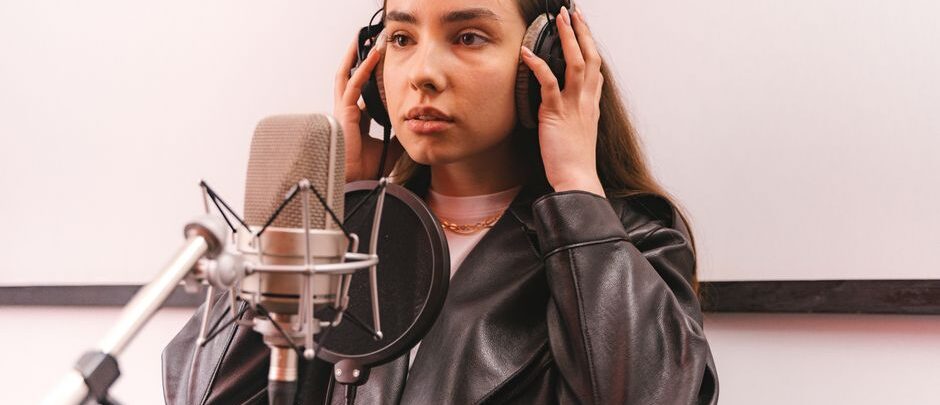
“We need it in English—yesterday.” That’s a familiar refrain from producers to voice studios from Seoul to São Paulo. If you think English voice over is just about reading lines with good pronunciation, you’re missing most of the chaos (and craft) behind those clean final tracks. In alone, the volume of English dubs and localizations jumped by an estimated % at mid-sized European media agencies, according to workflow managers I spoke with during a stint observing in Berlin.
Why is there such pressure? Streaming platforms like Netflix and Disney+ are expanding their non-English catalogues for global audiences—and English remains the bridge language for much of that content. But let’s pull back the curtain on what actually happens when a script lands at a real studio.
---
The Warsaw Game Studio Test: When Accents Collide
Picture this: A game developer in Warsaw—let’s call them BlueBear Interactive—lands its first North American distribution deal. The catch: their sci-fi RPG needs authentic-sounding American English dialogue.
BlueBear taps AudioWizards, a boutique voice over agency based in London. Here’s where friction starts:
- The original Polish script is full of slang and references that don’t quite translate.
- AudioWizards assembles a cast from their remote roster spanning LA to Manchester.
- Sessions happen overnight via SourceConnect and Zoom (yes, even as late as 2am CEST), chasing US time zones.
What did I see? Directors coaching actors not just on words but on cultural nuance—a throwaway line about “the post office queue” got reworked three times because an American would never phrase it that way. And all this before anyone mentions technical retakes or file formatting headaches for Unreal Engine imports.
---
Beyond Narration: Where Brands Get It Wrong
If you’ve ever watched an explainer video for a fintech app or airline safety demo, odds are high you’ve heard English voice over that doesn’t quite hit right. In Sydney last year, one creative agency shared how they lost a major campaign after using generic text-to-speech for an online banking spot targeted at Gen Z Australians. The feedback: “It sounds like my dad pretending to be Alexa.”
Increasingly, Australian agencies are blending AI-generated drafts with human actors’ nuanced reads—especially for campaigns aimed at multicultural urban audiences. One director told me her team typically tests three different accents (neutral British, General American, and urban Australian) on focus groups before settling on the final voice. The winner often isn’t what clients expect.
---
Old School vs New Tools: How Studios Actually Work Now
Voice over used to mean padded booths and reels of tape—think back to the BBC in the 1980s. Fast forward: today’s pipelines rely on cloud collaboration tools like VoiceQ or Voquent’s casting platform.
A typical project seen last quarter at a localization studio in Tallinn ran something like this:
One production manager estimated their average turnaround per episode has dropped from two weeks () to five days today thanks mostly to platform integration—not bigger budgets or more staff.
---
Quality Control—or Cultural Landmines?
Some errors still slip through despite all those fancy tools. Take one infamous incident from : A French e-learning company contracted out their English localization to an offshore team who mispronounced key medical terms throughout dozens of training modules—the result was customer complaints and emergency rerecordings costing nearly €40k extra.
In practice, most reputable studios now insist on native-speaking prooflisteners embedded early in each workflow step (a lesson learned the hard way). US-based gaming giants like Blizzard have entire QA teams focused solely on regional accuracy after launch-day backlash over awkward Britishisms in globally released patches.