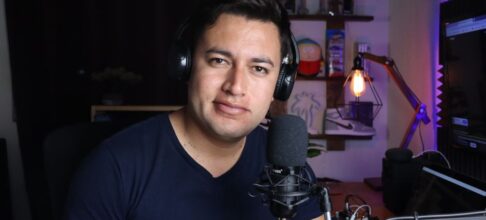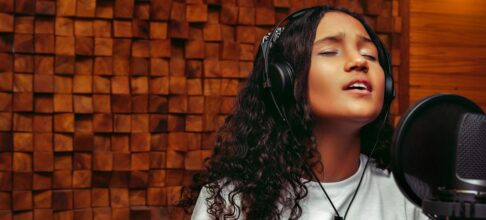
Start with a room in Paris. Four actors, two directors, a stack of water bottles, and a script that’s already been rewritten three times to fit the lip movements of an American sitcom character. This isn’t some glamorous film set—it’s Studio Chut! in the 11th arrondissement, where voice work for Netflix’s French catalog happens at breakneck pace. If you think French Voice Over is simply a matter of swapping English for French, you haven’t seen how sausage gets made.
Under the Hood: Why It’s Never Just Translation
In practice, translating dialogue into French for voice over is part science, part chaos. Take Ubisoft Montreal’s localization team as an example. When they were working on Assassin’s Creed Valhalla (), every historical quirk had to be reinterpreted for European and Québécois audiences—two utterly different tastes despite sharing a language.
The workflow goes something like this: first, translators adapt scripts not word-for-word but sense-for-sense, ensuring idioms and jokes land in Lille just as well as Lyon or Montréal. Next comes casting—a task more political than most imagine. For big releases like Disney+’s “The Mandalorian,” Paris-based Dubbing Brothers reportedly auditioned more than actors for a single character before settling on someone whose voice had just enough gravel to match Pedro Pascal's original timbre.
A Crunchy Timeline: Production Sprints and Real Consequences
Back in when Canal+ expanded its streaming service aggressively into Belgium and Switzerland, one local studio described their typical schedule as “ hours from raw cut to broadcast-ready,” with entire teams sometimes sleeping at their desks during major series launches.
It isn’t unusual for studios like Nice Fellow (a mid-sized outfit near Marseille) to juggle five or six projects simultaneously—children’s animation by day, gritty Nordic noir adaptations by night. And yes, the same actor might play both a cartoon dog and a serial killer within hours.
Voice Technology: More Hype Than Help?
AI-powered tools are everywhere now—Respeecher was used on Star Wars projects to recreate young Luke Skywalker’s voice—but most seasoned directors remain skeptical when it comes to nuanced languages like French. In real-world campaigns for video games produced in Germany or Poland, human actors still outperform synthetic voices in capturing subtle shifts between formal vous and casual tu.
Real Numbers: The Scale of Demand
According to reports from Media Participations (the group behind Dupuis Animation), roughly % of their annual animated content is dubbed into at least three regional variations of French. The company recently posted year-on-year growth around % in demand for francophone adaptations across Africa—a nod to how multi-accent work is becoming an industry standard rather than an afterthought.
Case Study: A Small Agency on Rue Oberkampf
Not every voice project comes from global conglomerates. At Voix & Cie—a boutique Parisian agency with a staff of just nine—the workflow feels very different. In early they handled the full localization of a Norwegian ed-tech app for use in French public schools. Their process included:
- Initial cultural pass (removing references that wouldn’t make sense outside Oslo)
- Gender balancing in casting (mandatory under France's diversity laws since )
- Live feedback sessions with actual teachers—so the final product would resonate not only linguistically but pedagogically.
Voix & Cie reports that these checks add up to % more time per project compared to standard entertainment dubbing—but also result in fewer revisions post-launch.
Paris vs Quebec City: An Ongoing Debate
There’s an old joke among voice directors: "If it works à Montréal, it might flop à Marseille." Studios serving both European and Canadian markets often produce two distinct versions—or at least record alternate lines—for everything from blockbuster films to YouTube ads. When Ubisoft rolls out new content updates for Rainbow Six Siege, feedback from Quebec beta testers sometimes forces last-minute tweaks before rolling out patches globally.
marked another milestone here: Netflix began commissioning dual dubs on certain originals after Belgian subscribers complained about "Parisianisms" they found gratingly metropolitan.
Not Only Big Players: Indie Films and Alternative Platforms
In Lyon, small creative houses such as Le Vestibule have carved out space by specializing in art-house films destined for festivals rather than multiplexes. During Cannes , Le Vestibule presented a short film fully dubbed into Occitan-accented French—a rare move that caught attention precisely because mainstream productions rarely take such linguistic risks.
Practical Reality Check—What Gets Missed?
No system is perfect. Even at top-tier studios like Dubbing Brothers or VSI Paris/Subtitling Worldwide Ltd., scheduling conflicts can lead to last-minute substitutions—and fans notice instantly if beloved anime characters suddenly sound older or lose signature quirks between seasons.
What About Pay?
The Fédération des Artistes du Doublage estimates average daily rates around €–€ per session for veteran voice talent; newcomers may earn less than half that amount until they’re unionized or recognized by casting agents who control most access points into high-profile gigs.
Looking Forward Without Fantasies
There will always be tension between speed and quality—especially as platforms like Amazon Prime Video demand ever-faster turnarounds on exclusive drops across multiple territories simultaneously. But beneath the algorithms and spreadsheets lies what one director at Studio Chut! calls "l’âme de la voix”—the soul of voice—that no machine has yet convincingly faked.