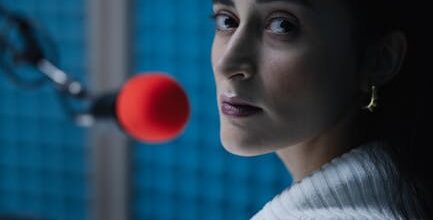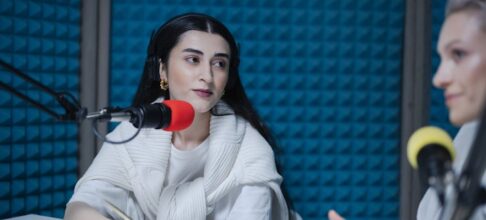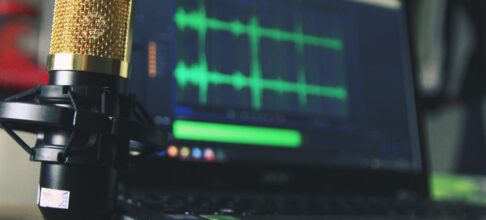
It’s . In a low-lit sound booth in Tbilisi, an engineer is waving his hands at a nervous actor trying to match the lip movements of a Turkish soap opera character. The translation on paper sounds stilted; the actor improvises, and the director—who once worked on Soviet-era animation dubs—mutters, "Not quite." This is Georgian voice over as it exists beyond glossy production reels: messy, demanding, and deeply local.
Why do international brands keep running into hurdles when launching content for Georgia? Why do creative studios in Batumi still prefer in-person casting calls rather than remote auditions? For beginners peeking into this world, understanding how voice over works here means abandoning most textbook assumptions about global dubbing workflows.
---
Struggling With More Than Just Language
Every few months, streaming platforms like Netflix or Disney+ quietly update their regional libraries. Sometime around , select Netflix originals appeared with optional Georgian audio—a milestone that didn’t come easy. Unlike major European languages with decades-old localization pipelines (think German or French), Georgian had almost no standardized voice over infrastructure until the late 2000s. Before then, imported films often arrived either subtitled or with a single narrator speaking over muted original tracks—a style borrowed from Russian TV called “lector” or "voiceover translation," not full-cast dubbing.
The first real push for authentic dubbed content came from local broadcasters after as Turkish dramas surged in popularity across Georgia. Rustavi 2 and Imedi TV poured resources into building homegrown studios. But even today, these channels face chronic talent shortages: only about two dozen professional voice actors regularly work in Tbilisi’s main recording houses according to studio managers interviewed by regional trade magazine Mediavoice.
When global media players entered the scene post-—with Disney Channel and Nickelodeon rolling out localized shows—the scramble to find new voices became frantic. Soundpost Studio (a leading facility in Tbilisi) reportedly had to double its pool of freelance artists within eighteen months just to meet minimum demand for children’s programming alone.
---
A Workflow That Defies Automation Hype
Walk into any session at Studio Sheni Gogo (literally “Your Voice”), one of Georgia’s oldest independent studios founded in , and you’ll hear analog banter that would puzzle engineers used to Pro Tools-driven automation. Directors here often pause recordings for ten minutes so actors can debate how best to interpret idiomatic phrases—should “Let’s roll!” become something uniquely colloquial like "ჩავარდი საქმეში!"?
Contrast this with European centers such as Warsaw or Tallinn where much of the dialogue adaptation is handled upstream by localization software before reaching actors. In Georgia, due to a lack of established glossaries and smaller budgets (by Western standards), script adjustments frequently happen live during takes—a process that slows timelines but produces more natural-sounding results for native audiences.
For beginners expecting plug-and-play workflows popularized by AI-dubbing tools (like Respeecher or Deepdub now gaining traction among indie game developers globally), real-world Georgian projects can be jarringly manual. Even attempts by larger agencies—such as Baltic Media Translations Ltd., which tried introducing AI-assisted voice synthesis for corporate e-learning modules aimed at the Caucasus market in —have been met with skepticism from both clients and linguistic consultants worried about losing nuance.
---
Case Study: A Streaming Launch Gone Local
Consider Telestream Productions’ partnership with local outfit Dubbing.ge during the rollout of a global kids’ animation series last year. The brief: deliver fully localized audio tracks within six weeks for simultaneous release alongside English, French, Spanish, and Polish versions on an international SVOD platform.
At first glance this seemed straightforward; however, after week one only two episodes were finished out of twelve planned. Most delays stemmed from adapting jokes that made little sense culturally—a gag about American football needed rewriting altogether since few Georgians follow the sport. Furthermore, child actors missed several sessions because school exams overlapped with studio bookings (a scheduling issue rarely considered when producing dubs for larger markets).
Ultimately Telestream and Dubbing.ge shifted strategy mid-project: they prioritized fewer but higher-quality episodes for launch day while extending deadlines on remaining ones—a move reflecting common practice among smaller European teams handling minority languages under time pressure.
---
Old Voices Meet New Platforms: The YouTube Factor
It isn’t just big-budget entertainment driving growth in Georgian voice work. YouTube creators based in Kutaisi or Zugdidi are increasingly commissioning short-form narration tracks as part of their channel localization strategies—a trend visible since roughly when ad revenue models matured regionally.
Unlike traditional broadcast projects that demand rigorous lip sync, many digital-first productions opt for looser timing tolerances favoring speed over precision. Studios such as Kavkasia Voice Lab report that up to % of their monthly workload now comes from online content creators—double what it was five years ago—with turnaround times typically ranging from three days to one week per video batch depending on complexity.
One curious side effect: younger talent often enters via social media micro-gigs instead of classic theater training routes previously seen as essential until recently. It’s not unusual now for a TikTok personality with strong delivery skills to land commercial narration jobs without ever stepping foot in a formal recording studio.
---
A Tradition Of Improvisation—and Its Limits
Voice over work in Georgia has always thrived on adaptability—the ability to juggle tight deadlines, shifting scripts, and limited resources while maintaining authenticity for demanding audiences who quickly spot awkward phrasing or mismatched emotion.
There have been attempts at standardization since the rise of global distribution platforms after . Yet unlike markets such as Germany where agencies rely heavily on unionized rosters (the Verband Deutscher Sprecher counts nearly active members), most Georgian operations are small collectives juggling multiple projects simultaneously without fixed contracts or long-term guarantees.
This improvisational model enables rapid pivots but also carries risk: burnout among top-tier artists is reportedly high according to interviews conducted during industry panels at Tbilisi Digital Media Days (). As one veteran director put it bluntly: "We’re always hustling between passion projects and bread-and-butter gigs—there’s never enough time.”
---
Learning From Regional Neighbors
Some lessons come from unexpected places. Polish game developer CD Projekt Red famously built its Witcher series localizations around robust partnerships with Slavic language experts—including those fluent in less-common dialects like Silesian or Kashubian—to ensure narrative fidelity across Europe post- release cycles.
Georgian studios occasionally collaborate informally with Ukrainian colleagues who have faced similar challenges adapting multilingual content under constrained budgets since Russia’s annexation of Crimea triggered sudden shifts in broadcast regulations throughout Eastern Europe. Shared Slack channels swap tips on casting child-friendly voices quickly or negotiating fair rates for ADR sessions conducted remotely during pandemic lockdowns—a cross-border solidarity rarely publicized but critical behind closed doors.