When Language Isn’t Just Translation
A decade ago, the idea that Bulgarian voice over could move markets would have drawn eye rolls from regional economists. Today, however, streaming platforms like Netflix and Disney+ have forced the issue. Content demand exploded post- as these platforms aggressively localized for Central and Eastern Europe. By late , Netflix had launched over titles with Bulgarian audio tracks—a leap from barely a dozen five years prior.
It’s easy to treat this as just another content pipeline story. But when you trace the budget flows—actor contracts, studio rentals, post-production logistics—the impact is tangible. In Sofia alone, the voice over industry now supports an ecosystem of about direct jobs (actors, engineers, translators), plus hundreds more indirectly (tech support, scheduling agencies). One mid-sized studio reported their turnover doubled between and purely off international streaming contracts.
The Producer’s Dilemma: Cheap Labor or Cultural Accuracy?
In European production circles, Bulgaria has long been whispered as the “go-to” for cost-effective localization. A Polish distributor explained last year how they routinely route children’s animations through Sofia-based studios because rates are up to % lower than in Warsaw or Prague.
But there’s tension here too—producers want low costs; audiences want voices that feel authentic (not just accents layered onto foreign scripts). In one notable case in , Ubisoft’s game localization team chose a Sofia studio for “Assassin’s Creed Valhalla” DLC because they could assemble native speakers quickly without sacrificing delivery quality. The trade-off? Shorter rehearsal cycles and tighter deadlines—increasing stress but also pushing wages up by around % across senior talent.
From Animation to AI: Changing Workflows Inside Real Studios
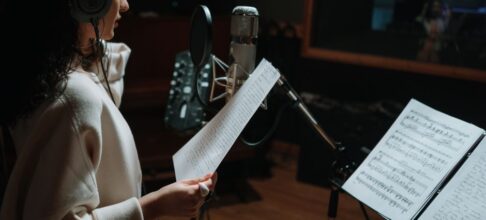
Walk into VSI Group Bulgaria’s soundproofed booths during peak season (usually September–February), and you’ll witness something almost frantic. Scripts coming in overnight from London subsidiaries; tight turnarounds for global launches; casting sessions squeezed between remote direction calls via Zoom.
What began with traditional lip sync dubbing is now morphing fast. Since mid-, several Sofia studios have experimented with AI-assisted voice matching tools—most notably Respeecher and Papercup—for initial drafts before final human recording passes polish and corrects tone.
This hybrid workflow hasn’t displaced human actors yet—it just means more projects can be handled per month (one engineer estimated output grew by nearly % year-on-year since adopting semi-automated pre-dubs). For smaller studios near Varna or Plovdiv trying to stay afloat against capital city giants, this tech shift often means survival rather than growth.
Ripple Effects: Local Business Ecosystems Wake Up
There’s an overlooked side effect to all this activity: local SMEs suddenly have new clients.
For example: a boutique IT company in Plovdiv pivoted from app development to providing asset management systems tailored for dubbing schedules—a market niche created entirely by the demands of international voice over production. Meanwhile, coffee shops near major studios report busier mornings during Netflix production sprints; even taxi companies see spikes shuttling actors across Sofia neighborhoods when deadlines loom.
And there are knock-ons beyond entertainment alone. Major advertising agencies like Noble Graphics integrate localized audio campaigns for FMCG brands—sometimes testing two or three regional accents per spot after seeing data that Bulgarian consumers respond better to familiar tones versus generic pan-European ones.
Export Power: Not Just National Pride Anymore
International demand has given Bulgarian voice talent newfound confidence—and bargaining power. Talent managers at Casta Diva estimate that average fees for top-tier narrators rose by nearly % between and late as German e-learning providers (like Lingoda) tapped into Bulgaria not only for price but unique vocal colorings prized in Slavic-targeted courses.
Studios also report more cross-border collaborations—a leading Greek film festival recently partnered with a Plovdiv-based dubbing house for subtitled-to-voice projects aimed at Balkan broadcast markets. It wasn’t about cost savings alone; producers cited “Bulgarian versatility” as key when localizing complex dramatic scripts into neighboring Macedonian dialects.
Who Gets Left Behind? Fragility Below the Surface
Still—the success story isn’t evenly distributed. Smaller towns lag behind Sofia’s rapid expansion; many independent artists complain of unstable contract terms outside main hubs. And there are whispers that if Western Europe re-shores post-production work due to geo-political risk anxiety (a trend tentatively seen after early-), some Bulgarian providers could find themselves suddenly exposed.
Moreover, with generative AI getting smarter each quarter—it will be tempting for multinational clients to cut corners further by using synthetic voices instead of real actors except for flagship projects.
Looking Back: A Brief Historical Detour Through Post-Socialist Media Landscapes
Older generations still remember watching imported Soviet cartoons dubbed live-to-air on BNT (Bulgarian National Television) in the early ‘90s—a single actor reading every part in neutral monotone due to low budgets and censorship constraints post- political changes.
Now contrast that with today’s multi-cast animated feature dubs or elaborate video game performances drawing on theater-trained talent sourced via online casting calls reaching far outside capital cities—all made possible by EU market integration since Bulgaria joined in .
No one predicted then how vital these unseen voices would become—not only culturally but economically—for thousands who grew up thinking media work was forever out of reach unless you fled westward.
A Quiet Export Engine No Longer Ignored
If you listen closely inside any bustling Sofia studio during peak season—or even eavesdrop on strategy calls at a small agency adapting training videos for German car manufacturers—you’ll hear what economists missed until recently: every line recorded is more than entertainment fodder; it becomes currency circulating through neighborhood economies and national ledgers alike.