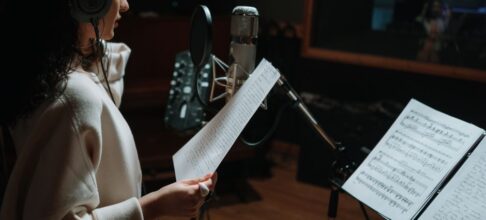
The first time I stumbled into a Filipino dubbing studio, it was a dimly lit room in Quezon City circa 2013, with battered headsets and a tangle of cables. Back then, the workflow was linear: script arrives, director barks cues, talents read lines, engineer splices takes together on Pro Tools. The client—usually ABS-CBN or GMA—wanted things fast and local. There was little talk of internationalization; the audience lived squarely within Metro Manila’s reach.
But something started to shift around 2018. Netflix Philippines began releasing dubbed versions of K-dramas in Tagalog, and suddenly even mid-tier studios like Soundesign Manila were being asked for "global-ready" mixes. The old workflows bent under new expectations: tighter deadlines, stricter quality control, and localization notes from L.A.-based project managers who’d never set foot in EDSA traffic.
Why Is Everyone Suddenly Talking About Filipino Voice Over?
It’s not just the streaming boom—the real driver is scale. In 2022 alone, according to the Philippine Film Export Services Office (PFESO), demand for localized audio content grew by an estimated 30%. Platforms like Disney+ and Amazon Prime Video now regularly request Filipino dubs for their Southeast Asian libraries. Even Japanese anime imports—once aired only with subtitles—are getting Filipino voice tracks produced domestically.
A common scenario: Dubbing House Cebu lands a contract to localize a Spanish telenovela for Viu’s Philippine market. They receive reference English dubs and character guides via cloud-based platforms like ZOO Digital. Sessions are scheduled remotely; voice actors record from booths at home using Source-Connect or SessionLinkPRO—a setup nearly unheard-of before the pandemic forced everyone online. Files are delivered overnight to Madrid for QC checks before being published across Asia.
In these workflows, speed trumps tradition. Studio managers I spoke with last year describe frantic weeks where five shows overlap, each requiring ten voices minimum—a far cry from the one-show-at-a-time model of the early 2000s.
Case Study: Gaming Localization in Makati
While media giants drive much of this change, gaming has become an unexpected catalyst. Take Indigo Entertainment in Makati: since 2019 they’ve handled voice assets for mobile RPGs shipping to Indonesia and Vietnam as well as the Philippines itself.
Their process is telling:
- Scripts arrive from Seoul or Shanghai formatted with placeholder dialogue tags (often still half-English).
- Indie teams source young talent through Facebook groups like Voice Artists Philippines rather than traditional agencies.
- Audio gets processed using Adobe Audition and iZotope RX locally before being funneled through publisher portals such as Xsolla or Unity Cloud Build for integration testing.
Indigo reports that requests for Filipino-accented English have risen by about 25% over three years—a sign that regional identity is becoming valuable currency beyond borders.
AI Voices vs Real Talent: Not Always What You Expect
There’s buzz around AI-powered platforms like Respeecher or LOVO.ai providing quick synthetic voices in dozens of languages—including basic Tagalog output. But most commercial projects balk at full automation once emotional nuance comes into play.
One concrete example unfolded late last year when a Singaporean ad agency tried to automate several radio spots targeting OFWs (Overseas Filipino Workers). After running pilot tests with AI-generated Tagalog scripts via Play.ht, they reverted to recording human talents at Hit Productions Manila because feedback found synthetic voices lacking "hugot"—that deep-rooted pathos Filipinos prize in messaging about family or sacrifice.
Still, hybrid approaches are emerging: several audiobook publishers now use AI for guide tracks during post-production but retain human narrators for final releases sold on Audible SEA and Google Play Books PH.
Identity Shift: From Neutral Accents to Proud Regionalism
Here’s an interesting contradiction observed recently at casting sessions run by CreatiVoices Productions (headed by industry veteran Pocholo Gonzales): ten years ago directors demanded “neutral” Tagalog accents—no trace of Visayan lilt or Batangueño twang allowed on national campaigns. Now clients specifically request authentic regional textures to match characters’ backgrounds in scripted podcasts or animated shorts distributed via Spotify Asia.
In fact, recent projects aimed at Mindanao youth actively cast talents from Davao or Cagayan de Oro rather than Manila alone—a shift reminiscent of similar trends seen in British gaming studios hiring Geordie or Scouse speakers instead of default RP English.