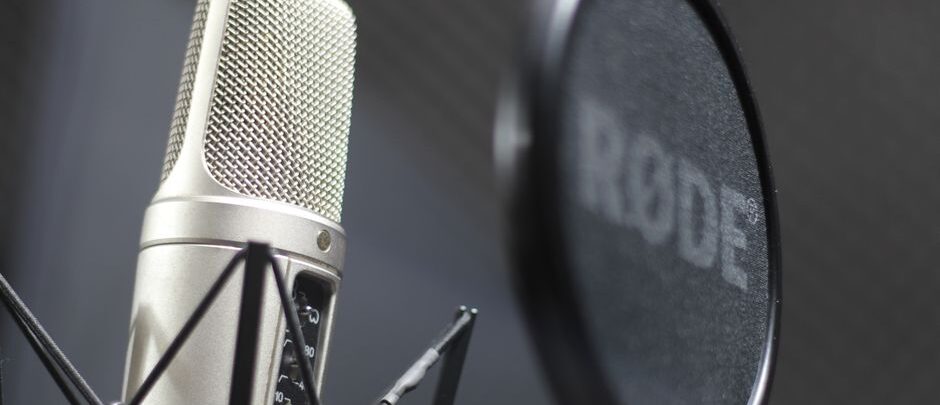
The first time I sat in on a casting session at a midtown Manhattan audio studio, it was and the world’s biggest streaming platform hadn’t yet cracked open global content. The client, a New Jersey ad agency working for an international consumer electronics brand, was adamant: "We need that neutral American sound—think Chicago or Seattle, but not too West Coast." A decade later, in an era of Netflix Originals dubbed into thirty languages and a thousand AI voices whirring in virtual booths across five continents, I keep hearing that same request. But it feels different now—almost nostalgic. ### American Voice Over: From Default to Debatable For much of the late th century and early s, “American voice over” didn’t just mean clarity or neutrality—it meant authority. It filtered through every car commercial, dubbed anime series, corporate training video, and Hollywood trailer worldwide. There’s a reason why Tokyo-based localization teams at studios like SDI Media (now part of Iyuno) spent years sourcing American-accented talent for English dubs; clients from Poland to Brazil wanted their content to sound unmistakably "global," which often translated to "American." By , US-accented narration made up of all English-language commercial VO produced for Europe according to industry estimates shared by London-based production managers. But scroll forward to this spring: Berlin indie game publisher HandyGames launched an atmospheric adventure title set in rural Bavaria—and chose British-English voice actors for its international edition. Why? Their analytics showed European players associated the US accent with blockbuster action genres rather than subtle storytelling. It’s not an isolated case. In recent years, Australian animation house Studio Moshi began releasing children’s shows on Hulu with both American and Aussie dubs after North American parents complained cultural mismatches in phrasing and humor. The days when one accent fit all are fading fast. ### The Netflix Effect—and Its Subtle Backlash Netflix’s global expansion triggered both opportunity and crisis for American VO artists. On the surface, there are more gigs than ever—dubbing Korean dramas into “neutral US English,” voicing nature docs for Disney+, narrating branded TikTok explainers aimed at Gen Z on three continents. But something curious happened during localization sprints –: European and Latin American audiences started demanding authentic regional flavors in their dubs—not just language accuracy but vocal identity. Teams at Paris-based TransPerfect Studios report that French clients increasingly request UK or Irish narration over standard US options for luxury brands aiming to evoke sophistication instead of mainstream appeal. And in practical workflows? A Polish production house recently described how their e-learning module projects now split English VO into three tracks: US-standard (for legacy clients), UK-neutral (for EU educational requirements), and International English (for markets like India or South Africa). In some months, non-US tracks outnumber the traditional "American" read by almost two-to-one. ### AI Voices Stir Up Old Biases—and New Choices It would be naïve to ignore the role of synthetic speech here. Tools like Respeecher or ElevenLabs have democratized access to high-quality voice cloning since . In countless campaigns observed at sized agencies from Warsaw to Sydney, producers quickly realized they could generate a passable “American male” read within hours—no booking fees required. Yet even as these AI tools flood YouTube ads with familiar Midwestern tones, major players like Ubisoft Montreal intentionally mix real Canadian anglophones with accented British and Irish VOs for AAA titles. Why? Because authenticity trumps ubiquity when you’re selling worlds rather than widgets. One telling case is a recent project with a Dubai-based edtech startup localizing explainer videos into seven dialects—including two distinct flavors of English (one vaguely “international,” one crisp New York City). Their data showed Middle Eastern students responded better—with higher watch times—to any variety *except* neutral US Midwest accent. The old default no longer guarantees engagement outside its home turf. ### Familiarity vs Fatigue: The Double-Edged Sword If you walk into any Los Angeles ADR facility today—the kind where Disney records animated series—you’ll still hear plenty of classic “broadcast standard” reads rolling off union talent rosters. For iconic franchises or nostalgia-driven reboots (think Transformers spin-offs airing globally), nothing lands quite like that polished LA sound engineers have perfected since the ‘s. But talk to independent filmmakers in Toronto or advertising creatives in Stockholm and you’ll hear growing frustration with what they call "accent fatigue." A Swedish mobile game company told me last year they’ve stopped using generic US narrators entirely because Scandinavian teens associate them with math tutorials from school—not entertainment worth sharing on Instagram. Even inside America’s own borders there’s been pushback against coastal neutrality: Georgia-based podcast agency Resonate Recordings saw demand spike for Southern-tinged VOs after as brands chased regional authenticity amid broader social trends toward inclusivity. ### Where Does This Leave the Industry? There is still a massive infrastructure built American-accented voice work—talent agencies from LA's CESD Group to remote-first platforms like Voices.com still list thousands of jobs per month searching specifically for "General American." And some sectors remain stubbornly attached; financial services training modules commissioned out of Chicago routinely require strict adherence to neutral Midwest pronunciation as late as spring . But if you examine the pipeline inside multinational ad agencies like WPP London or Publicis Groupe Paris today, you’ll find briefing documents explicitly questioning whether the old global default is really appropriate anymore—especially when targeting under- audiences who grew up binge-watching everything from K-dramas subtitled in Hindi to Spanish telenovelas dubbed by Colombian actors living in Miami. A recent roundtable I joined with producers spanning Melbourne, Munich, Madrid and Montreal revealed divergent patterns: - Australian studios now regularly supply dual-audio versions (US & AU) even for domestic campaigns exported abroad; - German e-learning firms reported half their new BB clients requested UK or International English over traditional US narration; - Canadian broadcasters quietly increased French-accented English reads by since mid- amid shifting demographic expectations. In sum: relevance has become context-dependent rather than universal—a far cry from even five years ago when "American" was synonymous with "global.” ### Case Study: A Workflow Inside Poland's Gaming Scene Look at how localization happens inside CD Projekt Red’s Warsaw headquarters—a workflow refined after back-to-back global hits like Witcher III () and Cyberpunk (). For side-character dialogue intended for worldwide release: ) Scripts are written first in Polish, ) Then adapted by bilingual linguists into idiomatic British AND American English, ) Followed by test readings using both UK-based actors (often flown in) and local Polish-American expats, ) Focus groups then decide which tone fits each market best—sometimes resulting in parallel audio track releases depending on region-specific player feedback gathered during beta phases. This is not an isolated process; many central European studios mirror similar practices today when chasing both authenticity *and* maximum reach. ### Looking Past Nostalgia: What Remains Essential? While there will always be demand somewhere for that clean-cut NBC news anchor delivery—the kind immortalized by Don LaFontaine (“In a world...”) and carried through decades of movie trailers—the industry consensus is shifting away from single-source dominance towards layered diversity. Franchises targeting nostalgia might cling longest; kids’ animation pipelines running through Burbank still churn out new heroes voiced by LA stalwarts every pilot season. But everywhere else—from explainer videos produced in Bengaluru startups using synthesized British voices to Berlin studios mixing African-American dialects into hip-hop documentaries—the old rules don’t apply so neatly anymore.