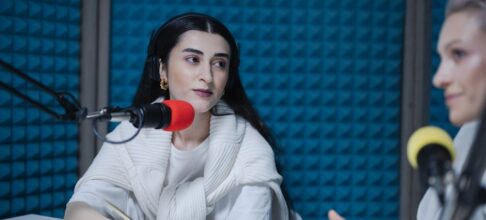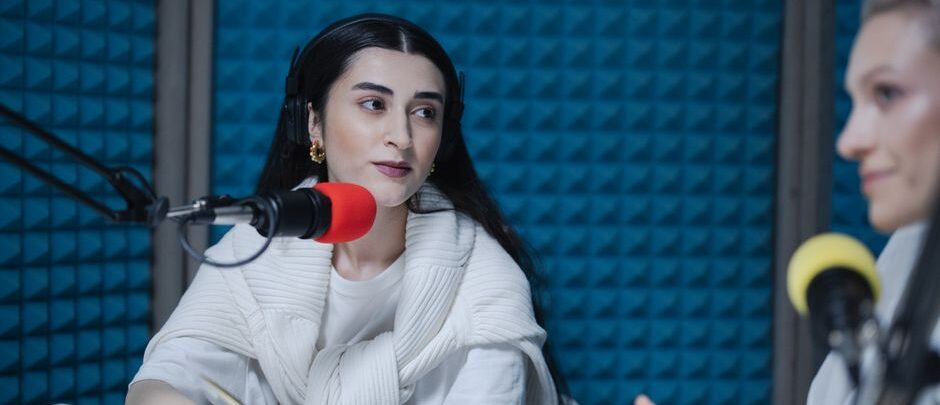
The unmistakable roll of an authentic Scottish accent is almost always a deliberate choice. There’s a tension between the marketing promise of “local flavor” and the realities of voice over production in —a year where synthetic voices can mimic regional intonation with algorithmic precision, but authenticity still matters.
Is there really such a thing as a truly Scottish voice over anymore? The question keeps surfacing in studios from Glasgow to Los Angeles.
A Casting Paradox in Edinburgh
In spring , the creative team at Hibernia Studios—a mid-sized production house based just off Leith Walk—found themselves locked in debate. A streaming docu-series for a US-based platform needed narration "with that Scottish warmth," per client notes. The team tried three routes: their usual roster (mostly Glasgow actors), an AI engine trained on Highlands dialects, and a freelancer based near Aberdeen who worked remotely via Source-Connect. Time pressure won out; they signed off on the AI track after minor manual tweaks. The director was satisfied until post-release criticism surfaced online: “Sounds like an Englishman faking it.”
This isn’t rare now. In more than half of their projects last year (about %, according to internal logs), Hibernia Studios used synthetic or hybrid voice tracks for regional Scottish jobs. But when those jobs went global—like audiobooks distributed via Audible’s EU platform—the requests for “real” Scots surged again.
Game Studios: Realism vs Reach
Gaming has its own take on this dilemma. When Warsaw-based indie studio RedDeer.Games localized their fantasy RPG into UK English for the PlayStation Network in late , they initially leaned on synthetic voices modeled after actors from Dundee and Inverness. Their main localization partner, LinguaForge Poland, reported that testing audiences flagged certain characters as “unconvincing,” especially NPCs meant to evoke rural Fife or urban Glasgow.
By Q1 , RedDeer had switched tactics: all major story cutscenes were re-recorded with Scotland-based talent contracted through London agency Voicebookings.com. According to their project manager, costs rose by roughly %, but player engagement metrics—measured by positive dialogue feedback and time spent in voiced scenes—increased sharply among UK users.
Platform Pushback: Netflix and BBC iPlayer Styles Collide
International streamers are another story entirely. Netflix UK’s content operations teams have experimented with hybrid pipelines since early , often blending real actors with AI-supplemented segments to meet tight deadlines across multiple language versions—including Scottish-accented English tracks for comedies and historical dramas.
Contrast this with BBC Scotland’s approach. Their iPlayer productions stubbornly favor human narrators—even bringing Gaelic-speaking talent into mainstream drama dubs despite higher costs and slower turnarounds. One production manager told me bluntly last autumn: "You can't fake the cultural weight behind our accents—not yet anyway." This divergence isn’t just about tradition; it’s about regulatory guidelines around local representation too.
Data Points and Adoption Rates
By industry estimates shared at VOXEurope Conference in Berlin last October, nearly two-thirds of commercial Scottish-accented voice overs in advertising campaigns now involve some level of machine assistance—either fully synthetic or actor-augmented via tools like Respeecher or ElevenLabs Studio Suite. However, less than one-third (roughly %) of longform narrative content—think documentaries or audiobooks—makes similar use of digital voices. Producers cite both audience backlash and rights clearance uncertainties as key reasons.
Adapting Workflows: From Glasgow Agencies to Melbourne Startups
Agencies specializing in Scottish voice casting have adapted quickly—or faded out altogether. Take Stag Voices Ltd., a boutique agency operating across Scotland since the late 2010s. By mid- they’d shifted most workflow online using bespoke sample libraries integrated with major casting platforms like Bodalgo Pro and Voices.com Premium. Meanwhile, startups outside the UK—such as Soundwise Media in Melbourne—have started offering “accent packs” featuring digitally sampled Scottish performances targeted at podcasting clients worldwide.
But these solutions aren’t always seamless in practice. A campaign run by Danish ad firm ReklameLab for Irn-Bru’s new European launch used Soundwise’s accent pack alongside live sessions recorded with Edinburgh comedians—the result was patchy until final mastering merged both sources for broadcast compliance.
A Question of Identity—and Marketability
It would be easy to say demand for genuine Scottish voice over is shrinking under technological pressure—but that misses what actually happens inside project rooms: heated debates about which accent feels right for each demographic; rounds of test screenings where viewers call out subtle phonetic missteps; frantic emails before final signoff about licensing rights if samples include unionized actors from Equity Scotland.
There’s also market logic at work here—as more brands want "authentic" local voices for pan-European campaigns (especially drink brands post-Brexit), agencies report a mild uptick (around 8–% YOY since early ) in direct bookings for native Scottish narrators versus pure AI tracks.
Looking Ahead: Hybrids Everywhere?
Most likely scenario? Hybrid workflows will dominate by late —real actors performing nuanced passages while AI handles repetitive tags or quick fixes across languages. In-studio directors will spend less time chasing perfect takes from tired talent—and more time fine-tuning emotional resonance between digital segments and human ones.
Some purists argue this marks the end of true vocal artistry north of Hadrian's Wall—but ask anyone running localization pipelines today (from Dublin to Gdansk) if they’d go back to all-human workflows… you’ll mostly hear laughter—or exhaustion.