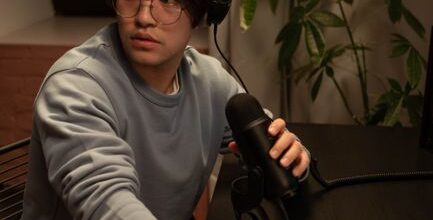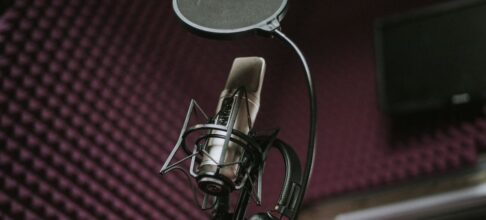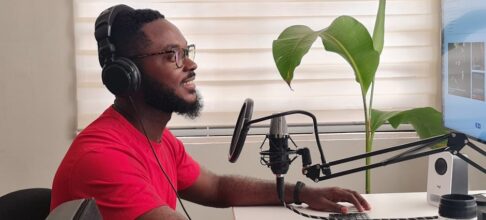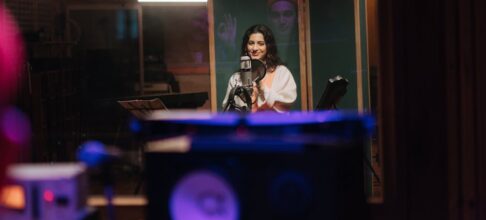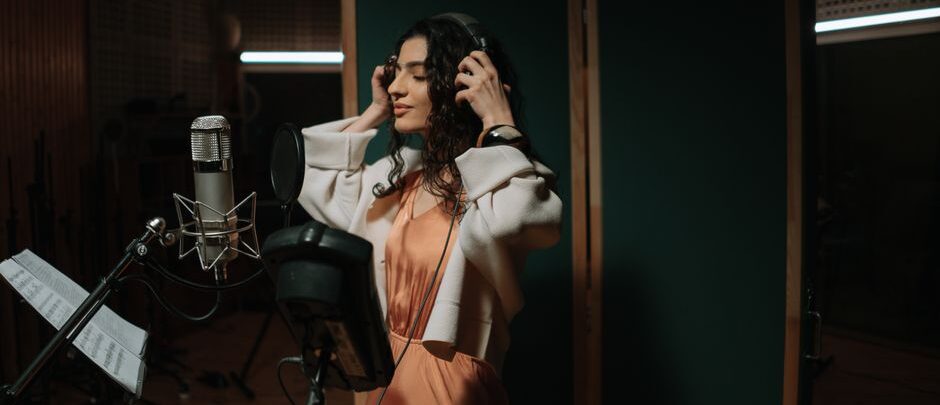
A late-night studio in Athens, a room lined with battered sound foam, and three tired actors arguing over the right way to say "Ναι, κύριε Διοικητά" (“Yes, Commander”). The script is for a Netflix-style crime series that’s just landed its Greek localization order. The director, who spent half her twenties dubbing Turkish soaps before streaming platforms made their presence felt, shakes her head. “It’s not just about translation,” she mutters. “It’s about making it Greek—without sounding fake.”
This—more than any abstract trend report or agency press release—is the heart of Greek voice over today: an industry caught between global production demands, local flavor, and relentless time pressure.
When International Scripts Meet Athenian Studios
The surge of streaming services in Greece has been nothing short of dramatic since around 2018. Before that, most Greeks encountered dubbed content as cartoons on Saturday morning TV or the rare blockbuster film meant for family audiences. But now? Disney+, Amazon Prime Video, and Netflix have pushed demand for Greek dubs into new territory—think reality shows, documentaries, Korean dramas and games.
In real workflows at studios like Studio ATA in Athens or Soundzone Thessaloniki, projects arrive in bulk batches: sometimes 10 episodes at once for a last-minute deadline driven by pan-European launch schedules. A common pattern reported by engineers is juggling up to four productions simultaneously—using spreadsheets to track which actor recorded which episode on which day.
One engineer told me last year: "On one Monday we were doing lines for a German kids’ show—and by Friday we switched to ADR (Automated Dialogue Replacement) for an American action series. Same voice actors: different personas needed.”
No “Standard” Greek – And Why That Matters
A recurring tension inside every session is accent and dialect. Officially there’s one modern standard—but anyone who’s lived in Greece knows how easily Athenian inflections clash with Cretan or Thessalian ones. For national ad campaigns (like those run by Ogilvy Greece), this can be a deal breaker.
For example: when Cosmote TV ran its high-budget drama campaign in 2022, initial test audiences flagged certain lines as “too urban”—the kind of subtle feedback that leads to late-night pickups and re-records.
Gaming: Dubbing’s Wild West
Nowhere is the chaos more apparent than in video game localization. In European workflows observed at Sofia-based translation agency MoGi Group (which covers Balkan languages including Greek), scripts often arrive with little context about tone—or even gender of the characters. One project manager described getting dialogue trees where pronouns were missing entirely.
A typical scenario: a mobile RPG launching across EMEA markets needs Greek voices added within two weeks—often relying on part-time actors working remotely from small home booths set up during pandemic lockdowns. One Athens-based freelancer I spoke with estimated that nearly 40% of all her recent jobs came from gaming contracts handled through online casting platforms like Voquent or Voice123.
AI Voices Enter the Scene – But Not Quietly
Greek is not among the first-tier priorities for major AI speech synthesis providers—unlike Spanish or French—but things are changing fast. Since mid-2022, companies like ElevenLabs have released beta versions supporting high-fidelity synthetic Greek voices (still imperfect; sibilance remains an issue). Some agencies quietly use these tools to generate scratch tracks before booking live talent—a workflow shortcut seen at several boutique post houses around Plaka.
But here’s the uncomfortable truth: while English-language markets see rapid adoption of AI-driven dubbing pipelines (case in point: Germany’s early pilots with Deepdub in 2023), most Greek studios remain wary if not outright dismissive. Unionized voice artists argue that machine-generated performances simply cannot capture the cultural nuances embedded in phrases like "ρε φίλε" or "έλα τώρα." It’s a debate that echoes well beyond Athens—to similar conversations happening among Italian and Polish language professionals too.
The Economics: Everyone Knows Someone Else Getting Paid Less…
There’s an open secret in the business circles near Syntagma Square: rates have barely shifted since pre-pandemic days—even as overall demand climbs year-on-year (by some estimates, up 25–30% since 2020). Mid-sized agencies such as metaphrasi.gr handle everything from e-learning modules to children’s audiobooks but routinely outsource overflow work to freelancers earning less than €60 per finished hour—a fraction compared to Germany or Scandinavia.
A senior producer at a large broadcast dubbing house explained off-the-record: “Budgets come from London or LA; expectations are set globally but realities are local.” The result? High turnover among entry-level talent and occasional union strikes (as seen briefly in 2019), though strikes rarely make headlines outside trade journals.
Case Study Snapshot: Documentary Localization Panic Mode
In early 2023, National Geographic prepared a multi-country simultaneous launch for its docuseries “Secret Cities,” requiring full voice-over adaptation into seven languages including Greek. The contracted Athens post-production team received final scripts only five days before delivery was due—a classic case of international pipeline crunch.
What unfolded was textbook crisis management:
- Four separate booths running parallel sessions,
- Senior editors pulling double shifts,
- A WhatsApp group pinging urgently whenever tricky technical terms appeared (“How do you pronounce ‘Neolithic’ without sounding pedantic?”)
- Final mix delivered minutes before midnight upload deadline—the client never learning how close it came to disaster.
This isn’t rare; it’s routine across Southern Europe where budgets lag behind multinational rollout ambitions.
Adapting Kids’ Content Without Turning It Into Parody
Remember Peppa Pig? When eOne rolled out official dubs for Greece back in 2015–16 (before being acquired by Hasbro), parents quickly noticed something off about Daddy Pig's voice—not quite matching local comic expectations. After minor backlash on parenting forums and YouTube comment threads, casting was quietly tweaked mid-season—a tiny but telling example of audience sensitivity unique to children’s programming here versus Germany or France where character fidelity standards differ greatly.
Lessons learned? For many animation studios now working with Nickelodeon or DreamWorks content headed for Hellenic broadcasters like ANT1 Kids Zone, scripts undergo double review—with extra attention paid to humor localization so jokes land properly without veering into awkwardness or incomprehensible wordplay.
Advertising Campaigns – Where Every Syllable Counts
Unlike long-form shows where context softens minor errors, commercial VO faces zero tolerance from clients—and often impossibly tight deadlines. In spring 2022 Ogilvy Greece ran an integrated campaign for Vodafone featuring six regional accents across radio spots; one mispronunciation led to immediate retakes after focus group pushback (“That doesn’t sound like someone from Patras!”).
Many agencies now keep permanent rosters sorted by accent range—something rarely seen pre-2017 when pan-Hellenic homogeneity was still market norm.
Final Thoughts From Inside The Booths Of Kolonaki
As recently as ten years ago, much of what passed for professional voice over work in Greece happened informally—friends-of-friends called up on short notice to record museum guides or university e-learning texts after hours. Today? More structure exists but plenty remains improvised under pressure—from digital file-sharing via WeTransfer links between islands during summer shoot seasons to overnight script rewrites triggered by last-second broadcaster notes.
iRealism persists despite all technological upgrades because—as any tired actor will tell you—it isn’t just what you say but how you say it that matters… especially when your audience knows exactly what authentic sounds like.