No one likes to admit it, but almost every major localization studio in Dubai keeps two lists for Arabic voice over jobs: "Gulf-friendly," and "the rest." The distinction isn't just about dialect; it's about budgets, timelines, and—sometimes—whose uncle you know at the TV network.
The Unspoken Rules of Casting
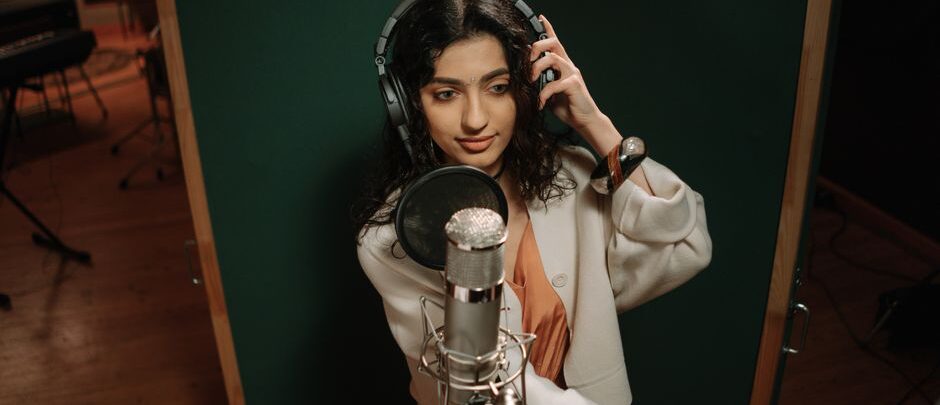
Walk into a session at Sama Art International (Jeddah’s busiest audio post house since the early 2000s), and you’re likely to spot three things: a battered old Neumann U87 microphone, rows of water bottles for nervous voice actors, and someone anxiously WhatsApping last-minute script changes from Cairo. Arabic voice over is rarely straightforward. There’s Modern Standard Arabic—the supposed default—but most ad agencies from Beirut to Casablanca quietly admit that using it for everything feels like reading Shakespeare at an EDM festival. Real projects often demand subtle regional flavors: Levantine warmth for family brands, Maghrebi edge for youth campaigns.
A Case in Dubbing: Egyptian or Nothing?
Netflix’s push into Arabic dubbing around sparked real controversy. For years, animation was dubbed almost exclusively in Egyptian Arabic—a tradition dating back to Disney’s Aladdin (). Suddenly, global streamers wanted MSA—or even Gulf dialect—for their pan-Arab content. The result? Confused viewers in Tunisia muting dialogue tracks while kids in Riyadh asked why cartoon cats sounded like news anchors. According to estimates from localization managers at Iyuno-SDI Group (one of Netflix's key regional partners), nearly % of children’s animation still opts for Egyptian inflection—even when officially labeled as “standard.”
Voice Artists on Deadline Island
There’s also the issue of time. A production manager at Zain Studios (Amman) told me last year that turnaround times have shrunk by half since TikTok-style promo formats became standard across the Gulf. Instead of a week to prep scripts and cast voices, studios now grind out entire campaigns over a weekend—often with freelancers recording from home setups in Alexandria or Marrakech. Quality control slides; consistency falters; everyone swears they won’t do it this way next time… until the next rush job arrives.
AI Enters the Booth (Sort Of)
By late , several mid-tier agencies in Istanbul had started experimenting with AI-powered text-to-speech tools like Respeecher for scratch tracks and placeholder reads. But actual broadcast work? Not quite there yet. Producers complain that neural voices stumble badly on colloquial phrases—"yalla bina" comes out too formal, jokes fall flat, and emotional range is all wrong. Still, cost pressures are mounting: one Turkish agency estimated that automating % of preliminary reads saved them close to $8, per quarter—but every polished final cut still needed human re-recordings.
The Money Side: Budgets vs. Reach
It’d be comforting to think big brands always pay fairly for quality talent—but regional reality bites hard here too. In Saudi Arabia’s booming media sector (which saw ad spend jump by % between - according to Ipsos MENA), rates vary wildly depending on accent demanded and market reach required. A fast-food jingle recorded in Khaleeji dialect can net double what a pan-Arab charity PSA pays—even if both hit millions of ears across satellite TV networks.
Why Small Studios Sweat the Details
Take MediaGate Productions in Casablanca—a mid-sized house that handles everything from Moroccan radio spots to French-Arabic educational apps. Their project manager described how each new campaign means negotiating not only with clients but also with local regulators wary of imported accents undermining "authenticity." She recalled a recent e-learning module where Paris-based producers insisted on pristine MSA narration—only for Moroccan schoolteachers to reject it outright (“Our kids don’t talk like news presenters!”).
Looking Back—and Forward
Historically speaking, mass-market Arabic voice overs first boomed during the pan-Arab satellite TV explosion around –—a period many UAE insiders refer to as "the Orbit era," after Orbit Communications Company began broadcasting dubbed dramas regionwide from Rome studios staffed by Lebanese expats.
Now? Between YouTube influencers demanding custom intros and gaming companies like Tamatem Games (Jordan) needing hyper-localized story beats for each GCC country release, nobody pretends there’s one-size-fits-all anymore.
The Takeaway: Compromise Is King
In practice—and this is true whether you’re working out of Berlin or Beirut—the business comes down less to purity than compromise:
- Should you risk alienating Libyan teens with Syrian-accented comedy?
- Is it worth burning half your budget on Cairo’s biggest name when audiences might never know?
- Do you stick with tested workflow templates or gamble on AI that still trips up over slang?
All these questions land daily on real desks across real cities—from Dubai skyscrapers to Tunisian co-working spaces—each answer shifting with campaign goals and client nerves.