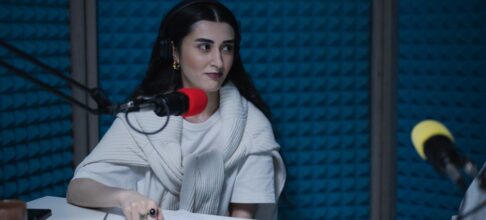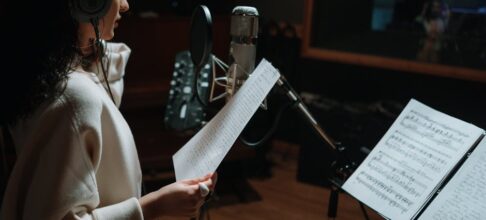
The first time I sat in on a Farsi dubbing session at a cramped studio just off Valiasr Street in Tehran, it didn’t feel like any Western localization workflow I’d seen. A battered script, half-translated lines scribbled out, a sound engineer muttering about lip-sync issues—the glamour was missing. But something else was happening: adaptation under constraint, improvisation born from necessity.
The Unseen Labor in Persian Localization
Most people imagine voice over as a pipeline—send the file, record the lines, collect payment. But for Farsi voice over work, especially during the late 2010s streaming boom, that pipeline looked more like a series of detours. Iranian studios such as Pars Dubbing House routinely juggled low budgets and last-minute requests from foreign platforms. Netflix’s arrival in triggered a spike in demand for localized content, but with sanctions limiting access to global payment systems and tools, local teams often had to resort to creative workarounds or even barter agreements with regional subsidiaries.
One producer told me in that "our timelines are always compressed because international clients think we have Western infrastructure—we don’t." It’s not uncommon for actors to take on multiple roles per show simply due to lack of available talent or scheduling overlap.
The Streaming Era Shakes Old Habits
When Shahre Ma Studio landed its first contract for an Amazon Prime original in —a gritty crime drama set in Berlin—they faced an unusual brief: maintain authentic Berlin slang while making it accessible for urban Tehrani youth. They assembled two translation teams: one based in Shiraz handling initial transcription, another layering cultural nuance back at headquarters. This doubled their turnaround time compared to traditional Turkish soap dubbing jobs.
A side effect? Some actors started developing distinctive voices that have become synonymous with certain genres—a recognizable cue if you’re flipping channels on Filimo or Namava (Iran’s homegrown streaming giants). There’s even an inside joke among Tehran’s younger audiences about spotting “the comedy guy” or “the villainess” across wildly different productions.
AI Voices Arrive… But Not Quietly
By mid-, whispers about synthetic voices were turning into real pilot projects. Two localization outfits—Dastan Studios and Arya Media—experimented with ElevenLabs-style AI tools trained on classic Iranian radio dramas (think Golden Age: 1970s IRIB). Initial results? Uneven quality and pushback from seasoned voice artists worried about job security.
Yet there’s undeniable momentum. Arya Media reports that nearly % of their lower-budget e-learning contracts now use hybrid workflows: human direction layered atop AI-generated base tracks. One manager described it as "speed meets compromise"—acceptable for internal corporate videos but still taboo for high-profile movie dubs.
In Europe: Parallel Stories With Different Obstacles
It’s tempting to imagine all Farsi voice work happens within Iran’s borders. Not so—Berlin-based localization company Voiceglobe has been fielding requests from diaspora TV networks since at least . Their biggest challenge? Recruiting native-sounding Farsi speakers who also understand European pop culture references—a nontrivial task when targeting second-generation viewers tuning in via satellite or YouTube.
Voiceglobe’s lead project manager confided that they sometimes blend recorded samples from multiple actors just to achieve the right mix of authenticity and relatability—an approach almost unheard of a decade ago when single-take recording sessions dominated the scene.
Numbers That Don’t Tell The Whole Story
Ask around and you'll hear estimates: "Farsi is among the top ten most-requested Middle Eastern languages for OTT platforms," says an executive at UK-based ZOO Digital (they started offering Persian language services around ). Still, no one can provide precise figures beyond rough percentages—most agree that demand has doubled since pre-pandemic times but remains less than half what Turkish or Arabic dubs attract globally.
What isn’t captured by these numbers is how much informal labor sustains day-to-day operations. In one weeklong production sprint observed at Pardis Media (Tehran), nearly half the hours logged went unbilled due to script rewrites forced by censorship reviews—something few Western budget models account for.
Where Does All This Leave Us?
There isn’t one story here—there are dozens, tangled together by necessity and invention. Veteran directors complain about shrinking margins; young freelancers see opportunity as indie games begin targeting Iranian players (Unity-powered mobile titles often debut with basic Persian VO tracks cobbled together by remote teams between Mashhad and Hamburg).
If anything defines this market right now it's uncertainty—and resilience built on improvisation rather than process charts or slick SaaS dashboards. While global trends shape expectations (“Can you match Netflix quality?”), local realities rewrite the rules every week.