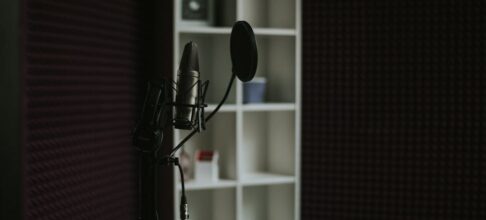
A few years ago, I sat in on a dubbing session for an Egyptian Netflix original—one of those sweaty Cairo afternoons when the air conditioning can’t quite keep up and everyone in the booth is running on caffeine. The director, Mariam, paused the recording after take fourteen. She wanted more bite, less melodrama. “This isn’t just translation,” she reminded her voice actor. “It’s Egypt’s heart—don’t let it sound borrowed.”
That moment stuck with me. It’s easy to underestimate Arabic voice work as simply ‘localization’—the corporate term that’s become both catch-all and cop-out in streaming-era content production. But any professional who has watched a launch flop in MENA markets knows there’s nothing secondary about the role of Arabic voice over. It makes or breaks engagement.
---
When Subtitles Fail, Voices Matter More
In North Africa, especially Morocco and Algeria, subtitles are common—but they’re not king. Several mid-tier Dubai ad agencies have seen this firsthand: their campaigns underperforming by 20–30% when left subtitled versus voiced-over for pan-Arabic TV spots.
The reason? Illiteracy rates remain stubbornly high in certain demographics; even among younger viewers, Arabic script can divide audiences by dialect and reading fluency. One creative lead at DMS (Digital Media Services), a major UAE ad distributor, told me bluntly: “If you want your brand remembered outside Beirut or Riyadh malls, don’t rely on text.”
---
Netflix Arabia’s Gamble—and Its Ripple Effect
Netflix launched its Arabic language interface in 2016 and began investing heavily in regional originals a year later. By 2022, over half its new Middle Eastern titles included full Arabic dubbing—not just subtitles or partial tracks.
Why such commitment? Internal sources from one Cairo localization partner describe how audience retention rates jumped nearly 40% for children’s content dubbed natively versus subtitled-only offerings—the difference between background noise and appointment viewing for family households.
And it isn’t just global giants making this bet: Rotana Studios (headquartered in Riyadh) reportedly doubled their annual voice casting budget between 2018 and 2023 to meet demand from satellite networks looking to replace tired English-language dubs with locally relevant voices.
---
Gaming Isn’t Exempt—Just Ask Ubisoft Abu Dhabi
While films and series get most of the attention, gaming studios have quietly fueled some of the most innovative workflows for Arabic voice over.
In late 2019, Ubisoft Abu Dhabi decided to localize dialogue for their mobile title "Growtopia" into Modern Standard Arabic (MSA). The challenge wasn’t just technical—it was cultural alignment across wildly different dialects.
Instead of defaulting to generic MSA throughout, they experimented with regionally-flavored audio cues depending on user IP address clusters—a move that saw average player session times rise by roughly 12%. Not groundbreaking at first glance until you realize how rare it is for games targeting Arab youth to feel culturally familiar rather than forcibly translated.
---
Syria’s Dubbed Dramas vs Saudi Ad Spots: A Tale of Two Approaches
Voice over isn’t monolithic across the Arab world; it bends to market realities.
In Syrian drama exports—still popular across Levantine satellite networks—dubbing tends towards naturalistic delivery that mirrors everyday conversation. In contrast, Saudi-centered commercial work leans into grandiose intonation and hyper-formal registers meant to connote trustworthiness or luxury.
I’ve seen small Amman-based studios toggling between these styles daily depending on client briefs—one hour voicing a gritty Damascus soap opera scene; the next pitching toothpaste with bombastic clarity worthy of a royal announcement.
---
The Tech Side: AI Tools Meet Human Nuance (But Don’t Replace It)
There’s buzz around AI-assisted dubbing tools like DeepDub or Respeecher now entering regional post houses—from Jeddah to Casablanca—claiming faster turnaround and lower cost per minute.
But even as adoption grows (one Dubai studio estimates using synthetic voices for up to 15% of low-priority projects since late 2021), directors repeatedly circle back to human talent when stakes are high.
Case in point: an Emirati animated feature slated for release last autumn scrapped its initial AI pass after test audiences described characters as flat or tonally off—a decision that delayed launch by three months but ultimately paid off with higher box office returns during Eid holiday screenings.
The lesson? In practice-driven workflows across real production companies like Al Fanar Media Group (Beirut/Dubai), hybrid models are emerging but rarely replacing skilled actors outright except where budgets dictate no alternative.
---
Where Identity Meets Commerce—in Every Syllable
There’s something transactional—but also deeply personal—about how brands treat language here. In recent campaigns run by Ogilvy Egypt for telecom clients expanding southward into Sudanese markets, briefings often start with long discussions about accent choice: Should we risk Egyptian colloquialism alienating Khartoum listeners? Or bet on pan-Arabic delivery losing emotional punch? Each option signals not just linguistic preference but cultural allegiance—a factor visible everywhere from Ramadan miniseries promos to children’s YouTube channels spun up out of Amman media incubators during COVID lockdowns. The right vocal approach unlocks wider cross-border appeal—or shuts doors entirely if misjudged.