The Subtitled Generation—and Its Limits
Netflix arrived in Estonia around 2016. Almost overnight, viewers got access to thousands of hours of content never meant for such a compact audience (just under 1.4 million speakers worldwide). Initially, everything came subtitled—no surprise, given that Netflix’s localization priority list rarely puts Baltic markets at the top.
But by 2020, children’s content started getting dubbed—not just translated. And that changed things. "Estonian parents demand local voices for kids’ shows," notes Rain Tamm, a freelance director who has worked on both Peppa Pig and Pokémon adaptations for ETV+ and ERR. "Reading subtitles isn’t realistic for six-year-olds."
The challenge? In practice, Netflix outsources most Baltic dubbing to regional partners like BTI Studios’ Helsinki branch or smaller Tallinn-based teams. The workflow typically means scripts fly across borders digitally; recording sessions happen simultaneously in multiple countries; QA comes back through Stockholm or London; then final mixes are delivered via cloud platforms like Deluxe One or Zoo Digital—all to launch on schedule with global releases.
In one recent campaign for DreamWorks’ Spirit Riding Free (2022), production coordinator Anneli Roos recalls juggling three voice actors playing eight different roles each—because "we simply don’t have enough trained talent for ensemble scenes." This forced creative direction: rapid-fire scene changes, clever editing tricks to avoid character overlap, and longer post-production timelines compared to German or Polish counterparts.
A Market Niche Becomes an Industry Standard
Before streaming giants shifted expectations, commercial agencies in Tallinn mostly used voice over sparingly—radio jingles here, state lotteries there. By mid-2010s, however, as YouTube creators and e-learning platforms sought hyper-localized campaigns (think: Bolt’s onboarding videos), demand exploded by what insiders estimate as “at least double” within five years.
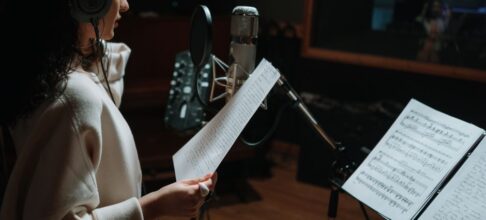
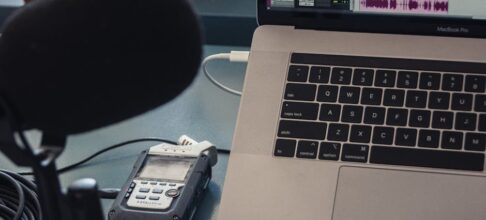
A typical workflow now involves studios like Audiomediateka partnering with ad agencies in Stockholm or Berlin—who send scripts already pre-timed for international spots. The Estonian team records VO tracks in Pro Tools or Adobe Audition; files bounce back and forth via Dropbox Business accounts; client reviews happen live over Zoom calls peppered with translation debates (“Do we say ‘äpp’ or ‘rakendus’?”). It’s faster than ever—but also leaves no room for error when casting is so limited.
Gaming: The Unseen Driver of Local Talent Pools
If there’s any sector pushing true Estonian voice performance forward right now, it’s gaming—and not just outliers like Disco Elysium (created by ZA/UM Studio). International publishers increasingly request Estonian audio assets alongside Finnish and Latvian during European launches—a trend picked up by localization heavyweights such as Keywords Studios since 2018.
One real scenario: When Ubisoft released a major patch for Assassin's Creed Valhalla in 2021 targeting Eastern Europe, they commissioned in-game dialogue lines specifically tailored to regional slang and pronunciation quirks unique to Estonia (“Metsavana” instead of generic ‘forest spirit’). This required local linguists coaching non-native actors remotely via Source-Connect sessions from Tartu University labs—a blend of old-school linguistics and ultra-modern pipeline management rarely discussed outside industry circles.
Small Language Doesn’t Mean Small Impact
It would be easy to dismiss all this as niche fussiness if not for measurable outcomes. According to ERR Media Center reports from late 2022, children’s programming dubbed into native Estonian sees viewership rates about 20–25% higher among ages 3–9 compared with subtitled versions aired earlier in the decade. For advertising campaigns targeting rural counties beyond Tallinn—where English fluency drops sharply—the conversion rate improvement averages nearly 12% when using local dialects versus standard translations alone.
"Our surveys show families actively prefer content voiced by familiar accents," explains marketing lead Katrin Saar at Elisa Eesti (a leading telecom operator). "It makes technology feel less foreign—even when it's literally imported from Silicon Valley.”
Not Just Technical Translation: Cultural Filtering Required
Too many outside producers think adding another language track is about word-for-word replacement. In real workflows observed at small agencies like Filmivabrik OÜ—a go-to shop for indie film localization—it often means rethinking jokes, idioms, even background crowd chatter so references land naturally on an Estonian ear rather than ringing hollow or stilted.
During work on a UK children’s educational series adapted in early 2023, Filmivabrik replaced British cricket references with winter sports anecdotes familiar from Tartu ski camps; even snack names were swapped out (“kohuke” instead of “pudding cup”). This is where experienced directors become cultural translators—not merely linguistic ones—and why AI-driven auto-dubbing tools still can’t match human nuance despite advances seen with Respeecher or ElevenLabs voices elsewhere in Europe.
Looking Forward: Scarcity Breeds Innovation?
Estonia may never field hundreds of pro VO artists—but scarcity has fostered resilience and creativity few larger markets require. Remote collaboration tools are standard fare here; multi-role casting became normalized long before COVID made home booths mandatory everywhere else.
As one senior engineer at Digibox Studio points out: “We’re accustomed to doing more with less—it keeps us sharp.” That philosophy might explain why some Nordic game developers now source their prototype demos from Tallinn teams first—the turnaround speed offsets tight budgets without sacrificing authenticity.
Still: When international platforms like Disney+ finally launched dedicated Estonian tracks in late 2021 after months of public lobbying (#DisneyEesti trended locally), it wasn’t just about access—it was validation that small-language VOs aren’t optional extras anymore but key components shaping user experience regionally AND globally.