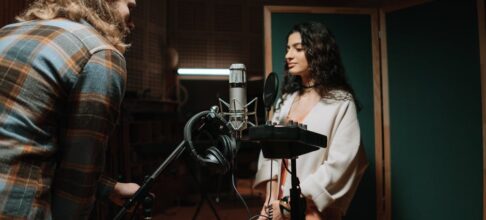
Nobody warns you how differently Germans listen. That’s the first thing I noticed, sitting in a cramped Berlin studio in late as a Netflix-bound drama was being dubbed over from English to German. The engineer—Uwe, silver hair, subtle earring—paused the session for the third time to argue with the director: “No German would say it like that.”
The voice actor looked exhausted; he’d already nailed three versions of the same line. But apparently none of them sounded "German enough." This wasn’t about literal translation—it was about rhythm, tone, and an almost obsessive fidelity to cultural nuance.
The Unspoken Standards: Beyond Clean Diction
Ask anyone at Studio Funk or Loft Tonstudios in Munich—they’ll tell you that German voice over isn’t just another box to tick in your international rollout plan. There’s a legacy here: since the early 1980s, Germany has been one of the world’s dubbing capitals, boasting more than specialized studios by the late 1990s. Hollywood blockbusters, French thrillers, Japanese anime—all tailored for audiences who will not tolerate sloppy lip sync or stilted intonation.
Where American productions might prioritize speed (and budget), German studios obsess over detail. In typical workflows for TV series localization circa mid-2010s, directors frequently reject technically perfect takes if they lack what they call "Glaubwürdigkeit"—believability. And this means re-recording entire scenes because a sigh came half a second too early.
Streaming Changed Everything... Sort Of
When Amazon Prime Video started releasing originals simultaneously across Europe around , most global studios predicted shorter turnaround times and leaner budgets for localization. But for Germany? Not so fast. A project manager at VSI Berlin once confided that budgets had shrunk by up to % since the streaming boom—but quality expectations actually rose.
The contradiction is everywhere: clients want more content, faster and cheaper, but still demand the unmistakable polish of classic ZDF Sunday films—the ones your grandmother trusts.
Case Study: Gaming Voices Don’t Play by Film Rules
Take Wooga—a Berlin-based game developer whose hidden object titles have quietly amassed millions of downloads worldwide. Their approach to voice casting is nothing like film dubbing. Instead of prioritizing close lip sync or naturalistic acting, they focus on clarity and instruction delivery.
During their workflow for "June's Journey," scripts are written with explicit direction notes—sometimes including sample YouTube links demonstrating dialect or emotion targets—and recorded in batch sessions with actors given little context beyond their lines.
But here’s where it gets tricky: when Wooga tried moving production from local booths to remote recordings during COVID- lockdowns (–), audio engineers reported a nearly % increase in retakes due to mispronunciations or inconsistent mic setups—not because Germans are inflexible perfectionists, but because regional accents can creep in undetected until final QA checks pick up on words pronounced “zu südlich” (too southern) for their intended audience.
AI Voices? Still No Shortcut for Sincerity
It’s tempting to think AI narration would solve these headaches. Companies like LOVO and Respeecher now boast native-sounding German TTS models—with adoption rates rising particularly among small e-learning content creators who simply can’t afford union actors every time they update a training module.
But even here there are limits. A Düsseldorf-based ad agency recently tested AI voices for explainer videos aimed at both Austrian and Swiss markets alongside standard Hochdeutsch content; client rejection rate hovered around %. Why? The generated voices were clear enough but lacked warmth and regional authenticity—qualities which German-speaking audiences sniff out instantly.
The Biggest Secret? It’s About Trust More Than Talent
Here’s what nobody tells outsiders: getting German voiceover right is less about linguistic accuracy than it is about cultural trust-building. Veteran casting directors—like those at Splendid Synchron—often pull from a tight-knit pool of familiar talent not just out of convenience but due to audience recognition patterns formed over decades.
If you swap out the usual narrator on an audiobook series—even if your replacement is technically superior—you risk alienating fans who expect a specific cadence or even breathing pattern associated with beloved characters from childhood TV dubs.
This explains why major brands launching campaigns across Germany often insist on using well-known radio personalities or established stage actors instead of generic voice talents available through global platforms like Voices.com—even though those platforms claim access to thousands of native speakers at lower cost.
A Tale From Hamburg: When Pronunciation Trumps Star Power
In spring , an indie animation studio based near Hamburg cast a celebrity YouTuber as lead character in their new children’s series hoping his millions of followers would drive engagement numbers sky-high. Problem: his Bavarian inflections made test audiences giggle during emotional scenes meant to be universal.
Back to square one—they recast using a lesser-known stage actress from Stuttgart with textbook Hochdeutsch pronunciation who could deliver lines like "Das ist unglaublich!" with just enough awe and neutrality that kids from Bremen to Dresden could relate without distraction.
Audience retention improved by roughly % after launch week according to analytics shared internally by the studio—not because children cared about regional dialect per se, but because parents did.
Lip Sync Isn’t Just About Moving Mouths
Anyone who has sat through ADR sessions knows how much time can be spent matching mouth flaps down to milliseconds. In European studios specializing in anime localization—in Düsseldorf and Cologne especially—it’s common practice since around to use frame-by-frame reference tracks synced directly into Pro Tools rigs so line readings land precisely as animated lips close or open.
Failure isn’t just awkward—it can tank review scores on social media forums where devoted fans dissect every mismatch frame by frame (“Look what they did with ‘Attack on Titan’ Season Three!” still echoes through Discord servers).
Budgets Are Shrinking But Demands Aren’t
Everyone talks about cost pressures but few outside Germany realize how intensely this plays out day-to-day. As recently as last year (), several boutique agencies reported being asked by multinational clients to slash rates by up to % compared with pre-pandemic contracts—all while keeping legendary standards intact.
To cope, some smaller shops have turned toward hybrid workflows involving remote sessions via SessionLinkPRO—a tool favored by Berlin post houses—but managing consistency remains tough when one actor is dialing in from Leipzig while another records onsite downtown under different acoustic conditions.