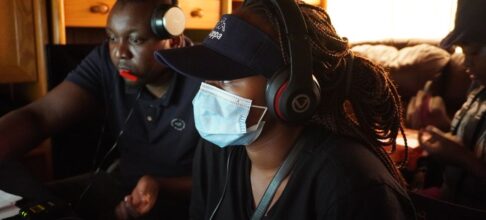
A few years ago, a Polish gaming studio quietly launched its adventure title in Western Europe. By all accounts, it was technically sound—well-designed, well-written, and translated into German, French, and Spanish. But after six months, their analytics revealed something peculiar: user engagement in the Netherlands lagged behind even their modest expectations. Not catastrophic—just puzzlingly low.
It wasn’t until the publisher ran a post-release focus group in Rotterdam that they learned why: “We don’t mind reading subtitles,” said one player, “but when it’s Dutch voice over—even if imperfect—we connect so much more.” The message was clear. In practice, for many audiences, hearing your own language isn’t just about comprehension; it’s about feeling seen.
The Reluctance to Invest
There’s an unspoken contradiction at play within European content localization. Many mid-sized companies assume that the Netherlands—with its reputation for English proficiency—won’t punish them for skipping native audio tracks. It’s an assumption visible in everything from explainer videos to e-learning modules produced by Swedish SaaS firms or British fintech startups.
Yet data from Amsterdam-based agency Voicebooking reveals that when brands add Dutch voice over to digital ads or onboarding materials, click-through rates can spike by as much as %. This isn’t a fluke; it mirrors patterns seen on platforms like Netflix and Disney+, both of which reported measurable growth among Dutch subscribers once they ramped up locally-voiced content libraries post-.
When Local Means Loyal
Take KLM Royal Dutch Airlines as another case study—not merely out of national pride but necessity. In their internal training videos across ground staff and customer service teams (produced via MediaMonks’ Hilversum office), managers noticed increased completion rates after switching from subtitled English to authentic Dutch narration. The effect? Fewer support errors traced back to misunderstood procedures—a direct cost saving in operational terms.
Voice Over Isn’t Just About Language
In practical workflows—especially for global SaaS rollouts—the process isn’t simply about swapping out one audio file for another. At the Utrecht offices of localization provider LocTeams, project managers describe routine sessions where scripts are adapted line-by-line for humor or idioms only familiar to Dutch listeners. A joke that lands in Berlin might flop in Groningen.
That local flavor is now a competitive differentiator. In Q4 alone, over half of LocTeams’ new requests involved not just translation but full voice casting tailored to specific regional accents—Frisian vs. Randstad Dutch—for hyper-targeted campaigns on YouTube and TikTok.
Streaming Platforms Set New Expectations
A pivotal moment arrived around with Netflix's aggressive European expansion strategy. Initially relying on subtitles for most children’s programming in the Netherlands, subscriber feedback soon pushed the company toward comprehensive dubbing efforts. Today nearly every major animated release features native Dutch voice acting—a shift mirrored by Amazon Prime Video’s localization spending across Benelux markets since .
It’s telling that parents cite this adaptation as decisive when choosing which streaming package to keep during household budget cuts (a trend tracked by consultancy Telecompaper). For younger viewers especially, foreign-language audio is a dealbreaker—a reality advertisers and media agencies have begun taking seriously in campaign design meetings from Eindhoven to Brussels.
The AI Disruption—and Its Limits
AI-generated voice solutions like Respeecher and ElevenLabs have made rapid advances since , enabling fast-turnaround demos or prototype narrations without full studio bookings. Some Dutch edtech startups now use these tools during early-stage pilots before committing resources to live talent casting.
But professional studios across Haarlem and Amsterdam still report steady demand for human actors when nuance matters—especially for branding spots or high-stakes corporate launches where mechanical intonation can undermine authenticity.
Budgets Are Shifting Accordingly
Within the last two years, several large Rotterdam-based ad agencies began allocating up to % more budget specifically for localized voice production—not just translation—in their annual planning cycles. One senior producer at TBWANEBOKO noted privately that "the days of assuming everyone will be happy with an English narrator are fading fast." The ROI argument is clearer than ever: better retention metrics among Dutch-speaking customers justify up-front costs several times over through longer campaign lifecycles or reduced customer service friction.
An Unexpected Side Effect: Cultural Relevance Pays Off Abroad Too
Interestingly, some German e-learning companies targeting cross-border logistics clients now request dual-language versions—including Dutch—even when only half their trainees are based there. Their logic? Consistency breeds trust across distributed teams who may otherwise feel peripheral if forced into someone else’s linguistic comfort zone.
From Trendy Startups to Legacy Giants: Everyone Has Skin in the Game Now
What began as an optional extra has quietly become industry best practice—from indie app developers bootstrapping explainer videos using Utrecht-based voices on Fiverr-like marketplaces all the way up to Unilever commissioning full-scale product launches narrated by well-known Dutch actors (as seen with several Knorr campaigns since late ).
Final Thoughts—from Studio Floors Across Europe
Having spent time observing workflows from Warsaw dubbing shops to London post-houses juggling pan-European ad deliveries, one thing stands out: neglecting native voice is rarely about cost alone—it’s often a misunderstanding of what audiences value most deeply. And nowhere is this more pronounced than with Dutch speakers who straddle worlds but never want to feel like outsiders in their own living rooms—or boardrooms.