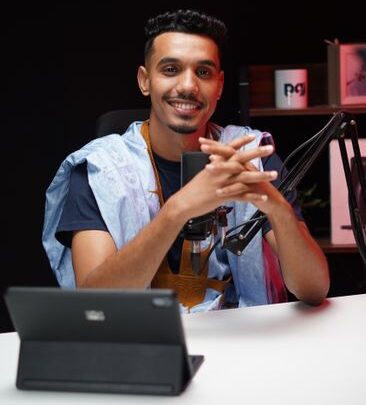
What is Afrikan Voice Over?
Afrikan voice over refers to the art and profession of recording spoken audio content by native African voice talents. Typically, this includes narrations, character voices, commercials, dubbing, audiobooks, podcasts, and more that are aimed at African audiences or content inspired by African themes. The unique tone, accents, and linguistic nuances of African languages such as Swahili, Yoruba, Zulu, Hausa, Amharic, and many others are captured through these voice overs, ensuring authenticity and cultural relevance.
The Importance of Afrikan Voice Over in Media and Advertising
1. Preserving Cultural Identity and Language
Afrikan voice over helps preserve and promote African languages and dialects in media. With globalization threatening indigenous languages, voice overs in native tongues offer a vital platform for cultural storytelling and heritage preservation.
2. Enhancing Audience Engagement
Local audiences respond better to content in their mother tongue or regional dialects. For brands and filmmakers, using authentic Afrikan voice over talent can increase viewer or listener loyalty and engagement drastically.
3. Promoting African Stories Globally
With the global spotlight on African stories — from films like *Queen of Katwe* to video games featuring African characters — quality voice over work is essential in bringing these narratives to life with credibility and emotional depth.
Common Types of Afrikan Voice Over Services
- Commercials and Radio Ads: Brands targeting African markets use voice overs for radio, TV, and online marketing.
- Film and Animation Dubbing: Translating and voicing American, Bollywood, Chinese, or European content in local African languages.
- E-Learning and Corporate Training: Providing regional language instruction and corporate videos.
- Audiobooks and Podcasts: Bringing African literature and storytelling to audio formats.
- Video Games and Apps: Using African voices to enhance game realism and cultural immersion.
- Swahili: Widely spoken across East Africa.
- Hausa: Popular in West Africa and Northern Nigeria.
- Yoruba: Spoken in the southwestern regions of Nigeria and neighboring countries.
- Zulu and Xhosa: Predominant in South Africa.
- Amharic: The official language of Ethiopia.
- Arabic (North African dialects): Relevant in countries like Egypt, Morocco, Algeria.
- Develop Versatility: Practice different tones, characters, and languages.
- Invest in Quality Equipment: Clear and professional audio is crucial.
- Create a Demo Reel: Showcase your best work and range.
- Build an Online Presence: Utilize social media and freelancing platforms.
- Network: Connect with media producers, ad agencies, and content creators.
- Continuous Learning: Take voice acting classes and learn audio editing basics.
- Limited Infrastructure: Access to professional studios remains an issue in some regions.
- Language Standardization: Variations within dialects can cause inconsistency.
- Awareness: Many producers outside Africa still lack awareness of Afrikan voice talents.
- Payment and Contracts: Freelancers can face challenges with payment security.
How to Choose the Right Afrikan Voice Over Artist
Consider their Language Proficiency
Ensure the talent speaks the dialect or language your audience understands. Africa has thousands of native languages, and accuracy is key.
Listen to Voice Samples
Evaluate tone, pronunciation, pacing, and style to match the project’s mood.
Check Technical Quality and Professionalism
Good recording equipment and experience with voice direction are vital for crystal-clear audio.
Availability and Rates
Ensure the artist’s schedule fits your project timeline and the rates fit your budget without compromising quality.
Top African Voice Over Languages and Dialects in Demand
The Growing Online Market for Afrikan Voice Over Talent
With the rise of freelancing platforms such as Voices.com, Fiverr, and Upwork, African voice talents now have unprecedented access to global markets. Many voice-over artists have created specialties in unique African accents and dialects, making it easier for international brands to localize their content authentically.
Tips for Aspiring Afrikan Voice Over Artists
Challenges Facing the Afrikan Voice Over Industry
The Future of Afrikan Voice Over
As digital content production in Africa scales up, the Afrikan voice over industry is poised for explosive growth. Governments and private sectors investing in media infrastructure, plus increasing internet penetration, will further empower voice over artists and studios. Moreover, AI voice technology combined with real human talent will open new doors while preserving the authenticity of African voices.
Conclusion
Afrikan voice over is more than just a niche in the voice acting world—it is a powerful cultural tool and a growing industry that provides authentic African representation in global media. Whether you’re a content creator or an aspiring voice actor, understanding the nuances of Afrikan voice overs can help you make impactful connections in multimedia projects while celebrating Africa’s rich linguistic heritage.
---
Keywords: Afrikan voice over, African voice talent, African languages voice over, Nollywood voice over, African dubbing, African voice actors, African commercial voice over, Swahili voice over, Yoruba voice over, Zulu voice over, African audio production, African media localization, African voice over artist careers.