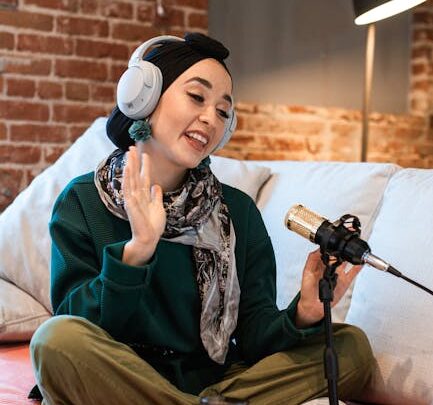
Understanding Arabic Voice Over
What is Arabic Voice Over?
Arabic voice over involves recording a voice track in Arabic to be used in various multimedia productions such as films, advertisements, video games, e-learning, documentaries, and audiobooks. It requires skilled voice actors fluent in Modern Standard Arabic (MSA) or various Arabic dialects, depending on the target audience and project scope.
The Rise of Arabic Voice Over Industry
With over million Arabic speakers worldwide, Arabic is one of the most widely spoken languages globally. This large demographic makes Arabic voice over a lucrative resource for businesses, broadcasters, and content creators aiming to cater to the Middle East and North Africa (MENA) regions. The rapid growth of digital platforms and streaming services has also increased the need for Arabic voice narration and dubbing.
The Cultural Significance of Arabic Voice Over
Preserving Language and Identity
Arabic voice over plays a vital role in preserving and promoting the Arabic language and its dialects. Through films, TV shows, and educational material narrated in Arabic, native speakers retain linguistic and cultural identity. This also helps younger generations stay connected to their heritage in an increasingly globalized world.
Promoting Arabic Literature and Stories
Audiobooks and podcasts with Arabic voice over bring rich Arabic literature and folklore to life. This accessibility encourages a wider audience to engage with Arabic stories, poetry, and history, fostering a deeper appreciation for Arab culture and traditions.
Social Impact of Arabic Voice Over
Enhancing Education and Literacy
Arabic voice over has revolutionized e-learning by providing accessible educational content, especially in remote or underserved regions. Audio explanations and narrated lessons can bridge gaps in literacy and education, enabling more people to learn in their native language. This also benefits those with visual impairments who rely on auditory materials.
Supporting Social Awareness Campaigns
Social impact campaigns use Arabic voice over to communicate crucial messages about health, environment, women’s rights, and more. By delivering messages in familiar dialects and tones, these campaigns connect emotionally with the audience, enhancing the effectiveness of awareness and behavioral change initiatives.
Fostering Inclusivity and Accessibility
By offering Arabic voice over in media, technology, and public services, societies promote inclusivity for Arabic-speaking individuals. This ensures that people who may struggle with literacy or prefer audio content can access vital information and entertainment equally.
Arabic Voice Over in Business and Media
Expanding Marketing Reach
Businesses targeting the MENA market rely on Arabic voice over to engage customers through localized advertising that resonates culturally and linguistically. Authentic voice overs help brands build trust and emotional connections with Arabic-speaking consumers.
Enriching Entertainment and Media
The dubbing of international films and TV series into Arabic allows wider enjoyment and cultural exchange. Similarly, Arabic voice over in gaming and animation is growing, offering immersive experiences that respect linguistic nuances.
Challenges and Future Opportunities
Dialect Diversity
One of the biggest challenges in Arabic voice over is the diversity of dialects across different countries. Selecting the appropriate dialect or using Modern Standard Arabic can affect reception, requiring careful consideration from producers and voice talents.
Technological Advances
Emerging AI voice synthesis and localization technologies promise to transform Arabic voice over by enabling faster, cost-effective production while retaining naturalness. However, maintaining cultural authenticity and emotional depth remains imperative.
Growing Demand for Quality Voice Talent
As the industry expands, there is a growing need for professionally trained Arabic voice artists who can skillfully convey nuances of tone, emotion, and dialect.
Conclusion
Arabic voice over is much more than a technical service; it is a powerful bridge that connects Arabic-speaking communities, preserves culture, enhances education, and fosters social inclusion. Its social impact resonates deeply, contributing to the empowerment and unity of Arabic speakers worldwide. As the digital age advances, the Arabic voice over industry will continue to play a vital role in shaping communication and cultural exchange across the globe.
---