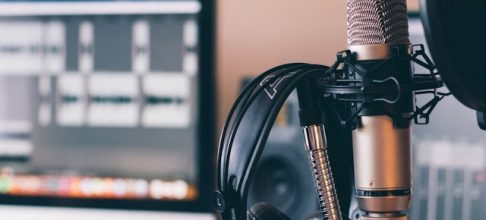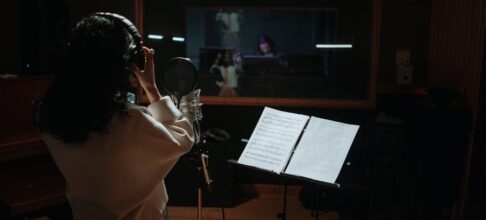
A decade ago, if you’d asked a Sarajevo post-production engineer about voice over in Bosnian, you’d likely get a wry smile. Not because the language was unknown to the industry—far from it—but because until recently, most media localization budgets for Bosnia and Herzegovina barely stretched past basic subtitling. True voice over? Reserved for rare regional TV spots or government PSAs.
Yet flip through the content catalog of Telekom Srbija’s SuperStar platform, or scroll Croatian telecom giants’ kid-friendly streaming sections today, and Bosnian-dubbed versions pop up with increasing regularity. The demand curve has shifted—fueled by regional co-productions, Balkan diaspora streaming platforms like Hayat Play, and even international campaign work targeting Bosniak speakers in Austria and Germany. But what actually happens behind the scenes when someone requests a "Bosnian Voice Over"?
The Dubbing Lab Dilemma: Accents, Authenticity & Agency Politics
Most outsiders imagine a soundproof booth, a script neatly printed in Cyrillic or Latin, and an actor who reads with flawless diction. In reality? It’s rarely that smooth. For starters: which Bosnian do you want? Urban Sarajevo speech for advertising coolness? Rural Krajina intonation for authenticity in a historical docudrama? Or that neutralized pan-Bosnian tone cultivated by veteran anchors at Radio-televizija Bosne i Hercegovine (BHRT)?
Localization agencies like Studio Moderna’s Zagreb branch regularly run into this linguistic balancing act when adapting pan-Yugoslavian ad campaigns—insurance companies and pharmacy chains are especially notorious for last-minute dialect tweaks. As one project manager put it to me last year: “We’ll record three takes with slight accent shifts just so legal can sign off in Ljubljana AND Sarajevo.”
AI Voices or Human Nuance? A Workflow Unfolds
In typical production workflows at mid-sized European studios—think ZVUK Studio in Belgrade—the process is now part digital, part artisanal. For e-learning modules destined for Swiss NGOs working with refugees from Mostar or Tuzla, scripts first go through QA checks not just for grammar but cultural phrasing quirks (do you use "ti" or "Vi" forms?). Then comes casting.
While AI-generated voices from tools like ElevenLabs have started appearing for quick-turnaround explainer videos (especially where budget trumps nuance), most commercial projects still rely on human talent sourced via WhatsApp groups of veteran radio actors or voice-over collectives like Udruženje Filmskih Radnika BiH.
Here’s a scenario I’ve seen more than once: A Berlin-based startup wants their app tutorial voiced in Bosnian for Vienna’s diaspora market. Their workflow? English script lands at an agency in Banja Luka; local linguists adapt idioms (“swipe” becomes “prevuci”, never “svajpaj”); audition files ping-pong between client and studio; final audio mastered overnight using Pro Tools (still the region’s default). Turnaround times are tight—three days is standard—and rates hover around € per finished minute for broadcast-grade results.
Case Study: Children’s Content Meets Regional Policy
One notable example emerged during the pandemic boom of -: when Nickelodeon Central Europe began rolling out Bosnian-language dubs for classic cartoons on its cable package across ex-Yugoslavia. Licensing hurdles meant that instead of simply repurposing Serbian tracks—which many viewers couldn’t distinguish—they invested in native-speaking child actors from Sarajevo drama schools.
This move wasn’t just cosmetic; market research pointed to a % higher engagement rate among primary school viewers when local idioms and slang appeared organically within episodes. Such data quietly drove other networks—including Slovenia’s POP TV—to commission dedicated Bosnian versions rather than generic “BCS” (Bosnian-Croatian-Serbian) hybrids.
Editing Rooms Without Borders: Cross-Country Collaboration
In real campaigns observed at Slovenian-based localization house Translatio Media Group, cross-border collaboration is both asset and headache. One recent NGO video required narration referencing both Srebrenica memorials and contemporary EU migration policy—a linguistic minefield given Bosnia's sensitive history.
To avoid missteps, Translatio convened remote review sessions with historians from Sarajevo University alongside technical editors using cloud-based suites like Izotope RX Advanced to clean up files recorded under lockdown conditions (often home setups with imperfect acoustics). “Half our job,” quipped their lead engineer last October, “is explaining why ‘standard’ doesn’t really exist here.”
The Numbers Don’t Lie (But They’re Never Simple)
Industry insiders estimate the volume of paid Bosnian voice over work has doubled since —but as always with Balkan markets, there’s no single tracking mechanism. What’s clear is that OTT platforms like EON TV now routinely request full dubbing packages alongside subtitled options whenever licensing Western animated content for the region.
Still—ask anyone in Sarajevo’s audio post circles—budgets remain lean compared to German or Polish equivalents (one studio estimated they average % lower per-minute rates than Polish projects of similar scale). Yet competition is fierce: several Austrian ad agencies now specifically request "native Bosnian delivery," viewing it as a mark of authenticity when pitching to clients who want traction among younger urban diaspora audiences.
Looking Ahead: Talent Pipeline Problems & DIY Solutions
Despite steady growth, challenges persist. Talent pools are small—most pro-level male narrators double as newsreaders or theater actors moonlighting between gigs—and unionization remains patchy at best. This shortage often leads smaller agencies to train up amateur talent sourced from local podcast scenes or university radio stations—a pattern also visible among Croatian indie game developers seeking affordable localization solutions.
An unexpected twist involves self-recording: some NGOs serving rural districts now distribute USB mics and remote coaching kits directly to community leaders fluent in minority dialects—a DIY approach born out of necessity during COVID- restrictions but still popular due to cost savings.
Final Take: More Than Just Words on Tape
Bosnian voice over isn’t just about language—it’s about navigating shifting identities and subtle power dynamics across borders that still bristle with memory and meaning. From Netflix-style streaming launches to hyperlocal health information spots recorded on borrowed laptops in Zenica basements—the craft is neither slick nor uniform yet unmistakably alive.