Most people outside Tallinn don’t know the sound of an authentic Estonian voice over. They probably hear a Scandinavian accent on a dubbed Netflix show and assume it’s close enough. But inside the quiet glass booths of studios like Silversound (a local audio house just off Narva maantee), there’s a daily struggle to nail something far subtler: linguistic authenticity that only 1.3 million native speakers can catch.
The Untranslatable Pause
Here’s one real headache that only surfaced in when Amazon Prime Video quietly began localizing more Nordic content for its Baltic subscribers. The streaming giant hired a German localization agency to handle Estonian dubbing for a sci-fi drama—only for viewers to complain online about robotic-sounding dialogue and odd pauses. No amount of technical polish can mimic those soft, meditative silences Estonians use in everyday speech. In practice, this meant entire scenes had to be re-recorded by locals who understood the untranslatable rhythm—a process that doubled studio time compared to standard Finnish or Swedish dubs.
Recording Day at Silversound Studio
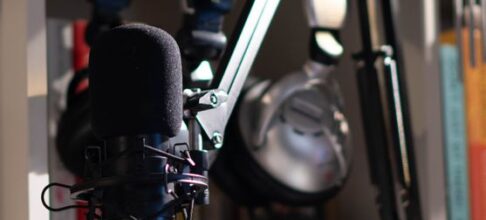
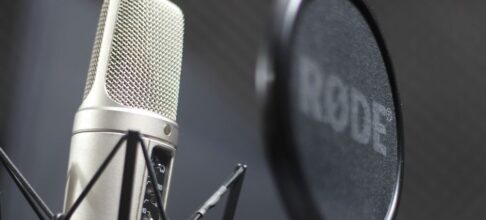
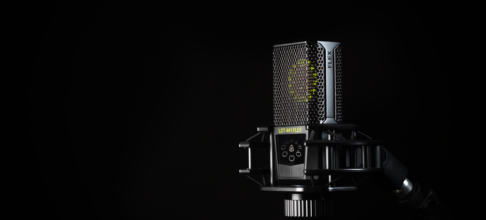
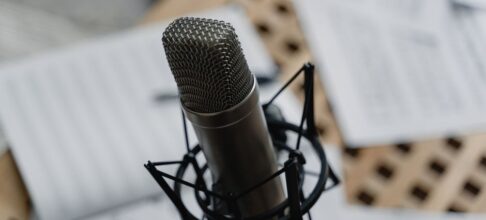
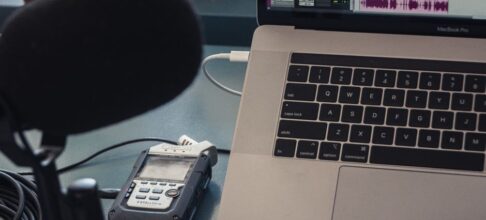
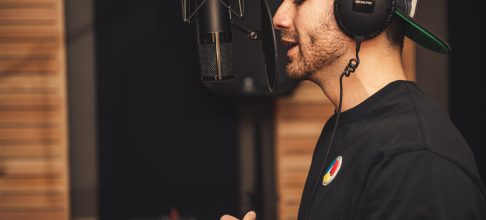
A typical recording day at Silversound is less glamorous than outsiders imagine. The director sits in with two actors, both veterans of Radio Tallinn, sweating slightly under Neumann TLM 103s (the preferred microphone in most European post-houses). There’s no script supervisor—just Google Docs on three screens and endless WhatsApp messages from translators clarifying if “kullake” fits better than “armas.”
Sometimes sessions stall over tiny cultural details: whether to use formal “teie” or informal “sina,” especially when dubbing American police procedurals where rank and respect are blurred. The workflow is rarely linear—dialogue gets patched together line by line because matching mouth movements (lip-sync) with Estonian grammar almost never works cleanly. The result? A single -minute episode might take up to hours of actual studio time before being sent off for QC (quality control) in Helsinki.
Estonia’s Audiovisual Boom—and Its Limits
Post-pandemic, there’s been a measurable increase—local studios estimate around % growth since —in demand for Estonian voice work across e-learning platforms, mobile apps, and indie games looking to capture Baltic audiences. Companies like Lingvist, the Tallinn-based language app developer, now commission not just textbook narration but also interactive dialogue trees voiced by local actors. But supply isn’t keeping pace: Estonia has fewer than forty full-time professional voice talents who can deliver broadcast-quality work on tight deadlines.
AI Voices Arrive… With Caveats
In late , one startup—Voiceloft.ai out of Tartu—began offering AI-generated Estonian voices to international clients trying to localize audio instructions or chatbots quickly. For basic tasks like GPS navigation or public transit announcements in Tallinn, these synthetic voices pass muster; they’re clean and consistent even if they lack warmth. However, game developers at ZA/UM (the team behind Disco Elysium) say that AI still misses emotional nuance needed for narrative-driven projects—the uncanny valley is alive and well whenever subtle sarcasm or deadpan humor enters the script.
A Regional Comparison Worth Noting
Compared with neighboring Latvia or Lithuania, Estonia punches above its weight technologically but faces unique linguistic hurdles. For instance: while Lithuanian game studios often cast Polish actors due to overlap in voice talent pools, Estonian productions almost always insist on native speakers—even if it means tapping into diaspora communities in Stockholm or Toronto via remote sessions over Source-Connect.
The Human Touch Isn’t Going Anywhere Yet
Despite promises from tech vendors that AI will soon solve "small market" language problems once and for all, every veteran I spoke with at Silversound pointed out the same thing: major brands like Telia still require final human review before approving any campaign destined for TV or radio broadcast in Estonia.
One case stands out—a series of telecom ads produced in early where Telia insisted on focus group testing before launch. Synthetic voice versions scored nearly as high as human ones on clarity but scored % lower on audience trustworthiness according to internal polls shared by an agency insider. That last intangible quality remains stubbornly human—for now.