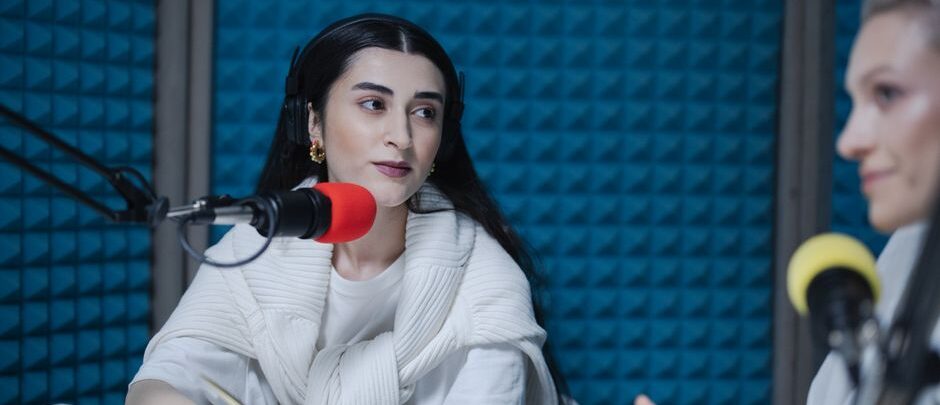
The first time I heard a dubbed Helsinki accent drift into a Japanese anime, it felt oddly subversive. Not because the performance was off—quite the opposite. It was the precision, the uncanny naturalness, that hit differently. For years, Finnish voice over lagged behind more dominant markets like Germany or France. Now, quietly but steadily, it’s reshaping expectations both at home and across Europe.
From Margins to Microphones
Walk into Storytel Finland’s studios on any given Tuesday and you’ll see something almost unthinkable five years ago: rows of producers coordinating remote sessions with actors not only in Espoo and Turku, but also as far as Tallinn and Stockholm—all for projects meant primarily for Finns. The audiobook boom (Storytel reported over % year-on-year growth in Nordic subscriptions since ) has forced localization teams to rethink what “authentic” really means in audio storytelling.
But let’s be clear—Finnish media budgets are rarely lavish. Dubbing has always played second fiddle to subtitling here; Netflix Finland famously resisted full dubbing on many originals until pressure from younger audiences peaked around . That’s when Helsinki-based BTI Studios started experimenting with AI-assisted voice matching tools—using them not to replace actors, but to pre-select voices that best suit local idioms and intonation quirks.
A Workflow Shift You Can Hear
In practice, this means fewer endless casting rounds and more targeted direction. BTI’s workflow now blends synthetic reference tracks (created using tools like Respeecher) with traditional actor readings. As one project manager told me last winter: “We can test ten different moods for a single character before an actor even walks into the booth.”
It’s not just efficiency—it’s about nuance. A recent campaign for Supercell's Brawl Stars game localized dialogue into Finnish not by translating word-for-word but by allowing actors to improvise within strict timing windows. The result? A spike in user engagement (Supercell tracked a % increase in time spent on campaign content among Finnish teens compared to previous English-only versions).
Cross-Border Contagion
And this approach isn’t staying inside Finland’s borders. In Berlin, game audio studio Side uses a mix of native Finns living abroad and expat actors residing in Helsinki to patch together authentic regional dialects—a practice that would have seemed needlessly complex before remote workflows became routine during the pandemic.
Meanwhile, small production houses like Estonia's NAFTA Films have begun hiring Finnish voice talent directly for commercials targeting urban youth markets in Tallinn—a reversal of the old trend where Estonian was considered sufficient for cross-border campaigns.
Dubbed Animation: No Longer Just For Kids
Maybe nothing illustrates this shift better than what happened with "Muumilaakso" (“Moominvalley”). When Gutsy Animations relaunched Tove Jansson’s beloved universe in , they insisted on full-cast Finnish dubbing—not just narration—for all international versions released locally. According to Yle Areena viewership stats, Moominvalley’s dubbed version outperformed its subtitled sibling by nearly double among viewers aged 4–.
That decision sent ripples through children’s media commissioning across Scandinavia. Norwegian broadcaster NRK quickly followed suit with their own series imports—and suddenly Scandinavian kids are growing up expecting high-quality mother-tongue voice performances as standard fare.
What About Authenticity?
There is still tension between authenticity and accessibility—especially when tech gets involved. Purists argue that AI-suggested casting flattens regional color; others point out how it opens doors for lesser-known voices from places like Oulu or Rovaniemi who might never land an audition otherwise.
One veteran director I met at Tampere Film Festival last year put it bluntly: “If you want real diversity in soundscapes, you either pay more or automate smarter.” In practice? Most studios do both—automating early rounds while investing extra hours coaching human talent on subtle phonetic cues unique to Karelian-influenced dialects or urban Helsinki slang.
Numbers Don’t Lie—but They Whisper Here
Unlike splashier industries, Finland rarely shouts about its wins. But look closer:
- Netflix Nordic quietly doubled its pool of contracted Finnish voice artists between – (industry insiders estimate from ~ to nearly regulars).
- At least three major ad agencies in Espoo switched entirely to homegrown VO talent for automotive and fintech spots after tracking higher audience recall rates versus imported English reads.
- Gaming giants like Remedy Entertainment have begun experimenting with hybrid pipelines—a blend of live recorded dialog and AI-tuned pickups—to accelerate updates without sacrificing local flavor or emotional depth.
Where Next?
Is there a tipping point ahead? Possibly—though as one producer joked at a late-night wrap party outside Porvoo last summer: “When Germany starts asking us how we keep things so fresh despite our size—that's when we know something's changed.”
For now, the disruption is quiet, persistent, almost stubbornly understated—the kind of change that feels entirely Finnish.