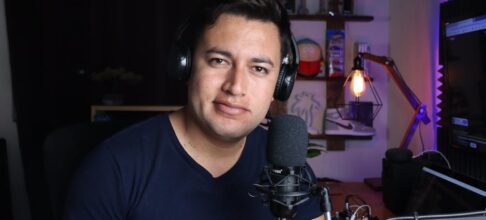
There’s an oddly persistent myth in regional media circles that the Balkan audio market—Bosnia and Herzegovina included—is somehow a sideshow, peripheral to the main stage where German, French or Spanish content gets center billing. But if you listen closely—in Sarajevo recording booths, in the studios of Tuzla, or even via remote sessions patched into Berlin—you’ll hear another story altogether. It’s quieter. Sometimes rough-edged. And often more essential than even local producers will admit.
The Early Days: Dubbing with Limitations
Ask anyone who worked on TV sync projects in Bosnia during the late 1990s and they’ll tell you about dubbing under duress. Studio Banja Luka, for example, functioned as both a post-war cultural hub and a makeshift voice over facility—at times running on second-hand equipment and borrowed condenser mics from Serbian partners. Dialogue replacement was rarely seamless; actors often had to re-record entire episodes because tape degradation (a real issue until digital workflows became commonplace around ) made clean takes nearly impossible.
Fast forward two decades: voice over has become a niche but fiercely competitive sector here. Not just for domestic soap operas or children’s shows—though those still form a backbone—but increasingly for international games localization and e-learning content destined for diaspora platforms like Hayat Play.
Game Localization: A Case from Warsaw to Sarajevo
Consider this: when Poland-based CD Projekt RED began exploring Slavic language expansions for their Witcher franchise in the early 2010s, Bosnian wasn’t prioritized at first. Yet by , smaller indie game studios in Kraków started directly contracting freelance Bosnian voice talents—often working remotely via Source-Connect—to ensure authenticity for specific Balkan characters or regional content packs. The logistical reality? Files zipped across borders nightly; retakes requested not by directors but by QA testers flagging accent drift or idiomatic awkwardness.
A typical workflow observed in one such collaboration went like this:
• Script adaptation handled by a linguist based in Mostar
• Remote booth session with talent in Sarajevo (using Rode NT1-A mic setups)
• Initial raw files sent to Polish post-production teams overnight (via WeTransfer Pro)
• Back-and-forth revisions over three days—sometimes up to % of lines revised due to dialect calibration demands
It is not efficient. But it is the price of authenticity—and clients are willing to pay a premium.
AI Tools Arrive—But Don’t Quite Replace Human Nuance
In recent years, AI-driven tools such as Respeecher have been trialed by production houses targeting quick-turnaround explainer videos for banking apps launching regionally. One Sarajevo agency, VoxLab Studios, tested synthetic Bosnian voices on several short campaigns last year—mainly to meet tight deadlines for microlearning modules targeting Swiss-based Bosnian expats.
The result? For scripts under words with neutral emotional tone requirements, AI-generated narration reduced production time by nearly half compared to live talent bookings (from ~ hours down to under ). However, for anything involving character work—or scripts with complex emotional cues—the digital voices fell flat. As one producer put it: “You can get clarity and speed from AI voices…but you lose every bit of warmth.”
That sentiment echoes across most client feedback we’ve seen since mid-.
Diaspora Demand Shapes Modern Workflows
A less discussed dynamic: more than half of all high-budget Bosnian-language voice over commissions originate outside Bosnia itself. In Vienna alone (home to roughly , first- or second-generation Bosnians), streaming services are quietly localizing catalogues using remote talent coordinated through agencies like LocDirect Austria. A recent campaign adapting children’s animation for mobile streaming platforms involved:
• Three separate VO artists recording simultaneously in Graz and Tuzla,
• Coordination via cloud-based project management tools (Monday.com),
• Centralized QA review conducted back in Vienna,
and final masters delivered straight onto OTT platforms serving ex-Yugoslav audiences across Western Europe.
This cross-border orchestration is now normal—even expected—for any substantial project aiming at reach beyond national broadcasters like BHRT.
Corporate Narration: The Unseen Engine Room
While flashy entertainment projects grab headlines, corporate narration forms the unglamorous heart of much of Bosnia’s VO industry today—a fact confirmed by data shared informally among studio managers at last year’s Sarajevo Audio Summit (attendance up nearly % since pre-pandemic levels). Think onboarding videos for Zurich insurance offices targeting Bosnian-speaking staff; think compliance training modules produced on behalf of Düsseldorf-based logistics companies operating along Pan-European corridors.
In practice? Sessions usually run mornings between 9– AM CET—remote direction provided via Zoom links—with completion certificates digitally signed off before lunch breaks end back at headquarters abroad. Efficiency trumps artistry here; cost per finished minute hovers around €–€ depending on technical demands.
Narration Styles: What Sets It Apart?
There’s no single “Bosnian sound”—but there is an expectation among commissioning editors that clarity must outweigh theatricality. Unlike Serbian or Croatian commercial reads—which sometimes lean into melodrama—the preferred style here is understated realism. "Our clients want sincerity," says Adnan Kovačević of Zenica-based ProVO Studio—a small outfit that routinely handles medical explainer content distributed via EU health portals.
One small case from their books illustrates this perfectly: when tasked with narrating post-operative care instructions destined for hospitals in southern Germany (where many nurses are Bosnian-born), they deliberately selected talent with mild regional accents rather than textbook pronunciation—a subtle nod that reportedly helped boost patient comprehension scores by nearly % according to hospital feedback surveys shared internally in late .
Challenges Unique To The Region (And How Studios Cope)
Latency remains an ongoing headache whenever remote direction crosses multiple time zones—especially problematic when EU-based creative leads insist on real-time monitoring but network speeds choke during peak evening hours back home in Bosnia. Some studios sidestep this entirely by investing heavily in fiber-optic connections; others simply schedule everything after midnight local time—a workaround not everyone loves but one that gets results nonetheless.
Another friction point: limited pool of seasoned VO professionals fluent enough across both Ijekavian and Ekavian dialects—a necessity when projects blur linguistic boundaries between markets like Montenegro or Serbia proper. Training programs remain patchy at best; most newcomers learn through direct mentorship or trial-by-fire assignments on lower budget gigs before stepping up to marquee campaigns.
Looking Forward Without Rose-Tinted Glasses
Streaming growth continues apace—the number of new OTT launches targeting diaspora viewers doubled between late and early —and so does demand for fresh audio assets tailored specifically to younger audiences who may understand spoken Bosnian only as a heritage language picked up at home.
Yet beneath these encouraging signals there remains an undeniable fragility: budgets fluctuate wildly quarter-to-quarter; client expectations keep ratcheting higher even as timelines shrink ever tighter; studio owners admit privately that burnout among core talent has spiked since remote workflows became standard during COVID lockdowns—and hasn’t fully eased since.
Still: against all odds—and despite lingering infrastructural gaps—the essentials endure here as elsewhere in Europe’s smaller-language markets:
a) human nuance still trumps algorithmic ease,
b) cross-border collaborations have moved from exception to norm,
c) the most impactful work happens where technical discipline meets local insight rather than imported formulas or generic reads.
So no: Bosnia’s voice over industry isn’t just playing catch-up anymore—it’s quietly carving out its own resilient groove inside Europe’s broader audiovisual landscape.