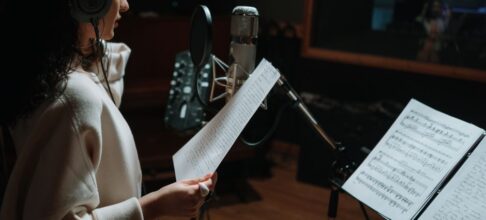
Origins of Voice Over in America
The roots of American voice over can be traced back to the early 20th century, coinciding with the rise of radio broadcasting. During the 1920s and 1930s, radio dramas and live advertisements heavily relied on skilled voice talent to engage listeners. These early voice actors were pioneers who mastered the art of vocal storytelling without relying on visuals.
The Radio Era
Radio was the dominant form of entertainment before television, and voice over artists became household names. Programs like *The Lone Ranger* and *The Shadow* thrived due to the captivating voices that brought characters and narratives to life. Beyond drama, announcers and narrators established the foundation for commercial voice over work, delivering clear and persuasive messages.
The Golden Age of Animation and Advertising
Following World War II, television emerged as the central medium for entertainment and marketing. This era is often referred to as the Golden Age of animation and advertising, providing a significant boost for American voice over actors.
Voice Over in Animation
Studios like Warner Bros., Disney, and Hanna-Barbera revolutionized animation, creating iconic characters such as Bugs Bunny, Mickey Mouse, and Yogi Bear. Talented voice actors like Mel Blanc, also known as "The Man of a Thousand Voices," set unprecedented standards with their versatility and charismatic performances.
Commercial Voice Over Boom
Simultaneously, the rise of consumer culture accelerated the demand for commercial voice overs. Catchy jingles and memorable taglines became key to branding efforts, requiring voice talents who could connect emotionally and build trust within seconds.
Technological Advancements and Their Impact
The progression of technology played a pivotal role in shaping the American voice over industry. Each technological leap expanded the possibilities for voice actors and producers alike.
Magnetic Tape and Multitrack Recording
In the 1950s and 1960s, magnetic tape recording and multitrack technology allowed for higher-quality sound production and editing flexibility. This made voice over recordings crisper and enabled new creative approaches, such as layering multiple voices or adding special effects.
The Digital Revolution
The 1980s and 1990s brought digital recording, computer-based editing, and the internet — game changers for voice over work. Digital tools offered faster turnaround, easier distribution, and improved sound fidelity. Moreover, auditioning and hiring voice talent became accessible worldwide, expanding opportunities for American voice actors.
The Rise of Video Games and New Media
The late 1990s through the early 21st century witnessed explosive growth in interactive entertainment. Video games, online videos, and mobile apps created enormous demand for diverse voice over performances.
Video Game Voice Acting
Voice over in video games evolved from simple sound bites to full-fledged character acting involving emotional depth and improvisation. American voice actors like Nolan North and Troy Baker gained fame for their dynamic roles, contributing to storytelling complexity and player immersion.
Podcasts and Audiobooks
Simultaneously, podcasts and audiobooks have grown into major platforms, creating fresh avenues for voice artists. Audiobook narration blends acting skills with clear diction, while podcast hosts and advertisers rely heavily on compelling voice overs to build listener loyalty.
Diversity and Inclusivity in Modern American Voice Over
As the industry evolves, there is a renewed focus on representation and inclusivity. Advocates emphasize authentic casting that respects cultural and linguistic diversity.
Breaking Stereotypes
Historically, voice over often involved typecasting or limited opportunities for minority actors. Today, casting directors and producers strive to reflect America’s multicultural fabric, employing talent from varied backgrounds to tell more genuine stories.
Gender and Age Diversity
The demand for a wider range of voices also includes breaking age and gender norms. Female, nonbinary, and senior voice actors are gaining prominence, broadening the soundscape and appeal of voice over productions.
Future Trends in American Voice Over
Looking ahead, the American voice over industry is poised to continue its dynamic transformation influenced by innovation and audience expectations.
Artificial Intelligence and Synthetic Voices
AI technology can now create synthetic voices that mimic human speech patterns. While controversial, this technology could complement human talent by handling routine work and enabling multilingual voice applications.
Remote Work and Global Collaboration
The pandemic accelerated remote recording workflows, making it easier than ever for voice over actors to work from home studios. This trend supports global collaboration and greater flexibility in project management.
Increased Personalization and Interactive Media
As virtual reality (VR), augmented reality (AR), and AI-driven interactive media grow, voice actors will engage with audiences in more personalized and responsive ways, enhancing storytelling immersion.
Conclusion
The evolution of American voice over is a testament to the power of the human voice combined with technological innovation. From radio dramas to AI-assisted productions, American voice over artistry has consistently adapted to meet the changing landscape, driving entertainment and communication forward. Aspiring voice actors and industry professionals must embrace this rich history while keeping pace with emerging trends to thrive in the exciting future of voice over.
---
Keywords: American voice over evolution, history of voice over, voice acting in America, voice over technology, animation voice actors, video game voice over, audiobook narration, diverse voice casting, future voice over trends