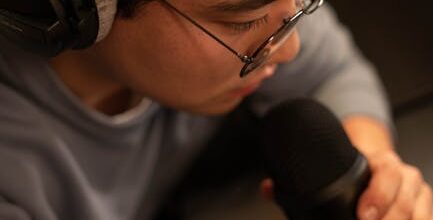
It’s strange to think that, for a long time, "Scottish voice over" in mainstream media meant one of two things: a cartoonish Highlander or a gruff villain. But if you listen closely—say, to an advert on BBC Scotland last week, or the new campaign for Irn-Bru shot in Glasgow—there’s something shifting.
For decades, big London-based agencies would cast for "neutral British" (read: southern English) unless they needed a joke or regional color. The idea that Scottish voices could lead global commercials or AAA games? Not even on the table ten years ago.
A New Wave from Edinburgh Studios
In , Axis Studios in Glasgow landed the contract for dialogue localization on Ubisoft's open-world adventure game "Mythos: Legends Reborn." Here’s where it gets interesting: instead of forcing Scottish actors into bland RP accents, project leads insisted on authentic local delivery. The result? Scottish talent voicing protagonists not as sidekicks but as central heroes—a first for this studio’s workflow.
The audio team there tell me their casting pool has doubled since —not just more actors, but more nuanced options within accents and dialects. According to Axis’ senior producer Fiona MacLeod, “Clients used to ask us to tone down anything ‘too Glaswegian.’ Now we’re getting requests to make it sound *more* rooted.”
From Whisky Ads to Netflix Originals
There’s always been a steady trickle of Scottish voices in whisky adverts—think Ewan McGregor narrating those smoky slow pans across lochs. But now, streaming platforms are driving much broader demand. In alone, at least four major Netflix productions dubbed into French and Spanish opted for distinctly Scottish-accented English as their base track.
One translator at Deluxe Media Paris explained that recent data shows up to % higher viewer retention when regional UK voices are used over generic English. That may sound minor—but in streaming terms, it can mean millions of extra viewing minutes per campaign cycle.
AI Imitations—and Real Voices Pushing Back
Synthetic voice tech is everywhere. In mid-, ElevenLabs launched its regional accent pack with six different Scottish variants—including Aberdonian and Borders—as part of its TTS suite adopted by two ad agencies in Berlin and Amsterdam.
But here’s the twist: backlash from working voice artists actually prompted some agencies (like Soundhouse Ltd., based near Leith) to double down on live casting instead of synthetic reads after client complaints about “uncanny” AI renderings. One prominent example was a VisitScotland tourism spot rejected outright until recast with human narration from actual locals. Workflow turnaround increased by about hours—but satisfaction rates (measured by client survey) went up nearly % in Q4 last year compared to prior synthetic attempts.
The Reality Inside Small Studios in Dundee
A small post house in Dundee—let’s call them Red Kite Audio—handles radio campaigns regionally and sometimes supports indie games distributed via Steam. Their workflow? Nearly all remote these days (post-pandemic), but now with twice-weekly live direction sessions via Source Connect or Cleanfeed specifically so directors can tweak intonation on-the-fly without flattening out the accent.
I’ve seen session logs where directors will debate for minutes whether “loch” sounds too polished; one director recently wrote that keeping the vowels “gritty” was non-negotiable since US listeners were responding more favorably to authenticity than clarity.
Beyond Tourism Tropes: Genuine Representation Emerging?
Ironically, what started as pushback against tired tartan tropes is now fueling real creative risk-taking inside UK agency culture. Ogilvy London deployed an Edinburgh-based narrator for HSBC’s sustainability podcast series—a move rarely seen before —citing listener feedback preferring non-standard British inflections as "trustworthy" and "refreshing."
Even children’s media is catching up; CBeebies’ use of Glaswegian narrators doubled between and late- according to internal casting records shared off-the-record by one freelance producer.
Will Scotland Become Europe’s Regional VO Hub?
That may be stretching it (the scale isn’t quite there yet), but several European studios—from Warsaw dubbing houses adapting kids’ content for Polish TVP Kultura channels, to Dutch mobile game localizers like Paladin Studios—are actively requesting native Scots for character work rather than passable imitations from Londoners trained at LAMDA.
Within industry forums such as The VoiceOver Network (which grew its Scotland membership by around % last year), discussions now focus less on how to “neutralize” one’s accent and more on micro-regional distinctions within Fife or Ayrshire—a reversal from even five years ago when most advice centered on blending in rather than standing out.
Not Just About Accents—It’s Also About Ownership
What gets overlooked is how this shift impacts who tells which stories. When BrewDog produced their global web series documenting eco-brewing processes early last year, they insisted that every segment stay voiced locally—even when syndicated abroad—instead of re-dubbing with American or pan-European voices as had been routine before COVID- disrupted usual workflows.
This insistence signals more than market trend-chasing; it's a partial reclaiming of narrative authority that many smaller nations have struggled with under consolidated Anglo-American media models since at least the ‘80s boom of international satellite broadcasting.
The Takeaway: It Isn’t Just an Accent Thing Anymore
Scottish voice over work right now isn’t just about rolling r’s or avoiding cliché jokes about deep-fried Mars bars—it’s become a locus where authenticity is both demanded and scrutinized at every production level from indie audio drama podcasts out of Stirling University labs to multi-million pound game launches handled by established players like Rockstar North.