No one in the Reykjavik production scene will tell you out loud, but most international agencies underestimate Icelandic voice over. Despite the global boom in localization budgets—Netflix, for example, reportedly increased its language coverage by nearly 30% between 2018 and 2022—the actual volume of Icelandic voice content remains a drop in the ocean compared to French, German or Spanish. When the big U.S. streaming platforms add Icelandic to their menu, it’s more often a symbolic gesture than a major operational commitment.
But scratch beneath that surface and the story is messier, and more revealing for creators looking to reach (or monetize) the unique audience here.
A country with less than 400,000 people shouldn’t be an afterthought—it should be a case study in what works and what doesn’t when it comes to voice over for niche markets.
Where “localization” meets real limitations
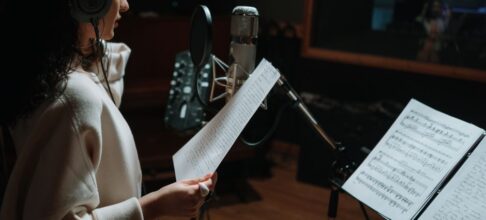
In typical workflows at European post-production houses—think SDI Media (now Iyuno-SDI Group) or TransPerfect’s Nordic division—most jobs still treat Icelandic as an edge case: low volume, high cost per minute, fewer available talents. Dubbing an animated series into Icelandic? It’s rarely done domestically from start to finish. In most cases observed since 2015, raw tracks are recorded abroad with native speakers flown in or patched remotely via Source-Connect from studios like Studio Hljóðböndin in Reykjavik.
Smaller agencies such as Eyrnalokkar ehf. pick up radio spots and commercials for local brands like Ölgerðin Egill Skallagrímsson (the brewery behind Egils Appelsín). But when international gaming companies—say Paradox Interactive during their mid-2020s expansion—wanted snippets of their narratives dubbed into Icelandic for trailer teasers, they hit practical bottlenecks. Not only was talent hard to book on short notice; finding engineers familiar enough with gaming sync conventions was sometimes impossible without exporting files to London or Stockholm.
Tech solves some problems—and creates others
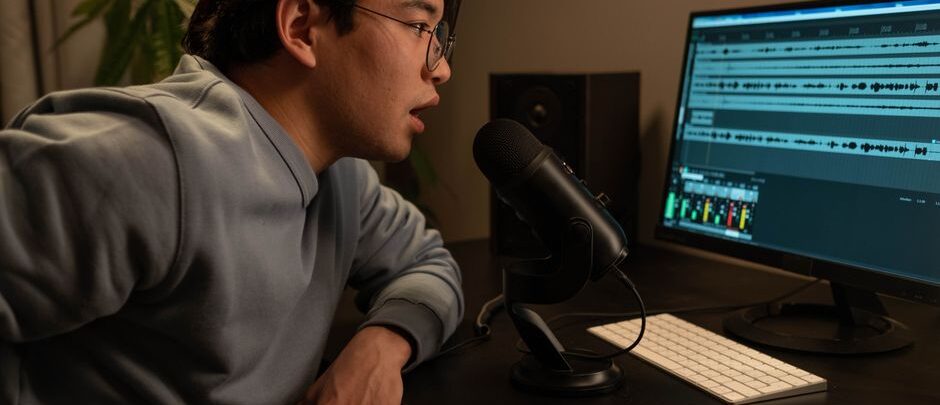
AI-based solutions are tempting. Descript and ElevenLabs now claim support for dozens of languages, including lesser-served Nordic tongues. But any creator expecting AI-generated voices to pass muster with discerning Icelandic listeners is due for disappointment.
In early 2023, I sat with a Reykjavik creative director reviewing synthetic options for a government PSA campaign. The consensus was brutal: "None of these sound even close to how we actually speak." Flat intonation and awkward phrasing gave away every automated attempt—even before mispronunciations crept in ("þjóð" rendered as "thjod" instead of "θjouð"). For safety-critical contexts—a surprisingly common requirement given Iceland's active emergency warning system—humans remain non-negotiable.
Yet there are partial wins: smaller YouTube channels targeting young Icelanders have used AI tools to generate placeholder dubs before hiring actors for final tracks—a workflow mirrored by indie podcasts based out of Akureyri, who report turnaround savings upwards of 40%. Still, no one ships without real voices on key material.
The curious math of supply vs demand
Consider this: while Poland has hundreds of working VO actors shuttling between Warsaw studios daily, all available data suggests there are barely two dozen regularly booked Icelandic voice pros nationwide. A single popular narrator can appear across everything from children’s TV promos on RÚV to airline safety videos—and the same handful crop up repeatedly on streaming platforms like Viaplay Nordics.
This has led some local marketers—including those behind Íslandsbanki's recent youth-oriented fintech campaigns—to embrace tongue-in-cheek self-awareness about recurring voices (“Yes, it’s me again!”). It works because everyone’s heard them before—but it also signals real constraints on creative diversity.
For global brands launching regional campaigns—such as Spotify rolling out localized playlist ads in late 2022—the challenge wasn’t finding someone who could read copy fluently; it was uncovering new vocal identities that don’t sound recycled from last week’s energy drink spot.
Studio realities: Reykjavik vs everywhere else
Hljóðböndin is Reykjavik’s biggest game in town for high-quality VO recording—yet even they admit having to schedule sessions around talent availability rather than project deadlines. Contrast that with Berlin or Paris, where you can book three different voices tomorrow morning without breaking a sweat. Time-to-market stretches longer here; European agencies planning pan-Nordic launches routinely slot extra weeks into their Gantt charts if ‘Íslenska’ is part of the brief.
A telling anecdote from an Australian agency producing travel content: in 2021 they attempted remote live direction via Zoom with an actor based near Selfoss—a process delayed not by technology glitches but by sheep wandering audibly outside the rural studio window! The logistical quirks aren’t always charming when you're under pressure from HQ timelines across several time zones.
Historical footnotes—and digital acceleration
It wasn’t always this organized (if “organized” is fair). In the early 2000s only national broadcasters like RÚV handled regular dubbing; commercial work was often ad hoc and inconsistent. By mid-2010s, rising demand from mobile apps and e-learning platforms pushed more standardized studio practices—but never at Scandinavian scale. According to figures shared informally by Nordic localization managers at LokWorld Europe events pre-COVID, less than 2% of their aggregate audio output involved Icelandic VO each year through 2019–2021 cycles.
Pandemic-era digital pivots changed some habits fast: both domestic creators and foreign clients grew more comfortable collaborating asynchronously via cloud DAWs (Digital Audio Workstations), using shared Dropbox folders rather than flying directors north in person. This flexibility made small-budget projects viable—but didn’t fix core pipeline bottlenecks around talent scarcity or accent authenticity.
Case study: Narrative games meet micro-market reality
One real scenario stands out: when Finland’s Remedy Entertainment piloted optional Icelandic audio tracks during early playtests for its supernatural game Alan Wake II (released October 2023), they found engagement among testers rocketed compared to mere subtitles—but production costs per finished minute were nearly triple their Finnish equivalents due entirely to limited actor pool and mandatory dialect coaching sessions conducted over Teams calls from Reykjavík University linguistics department consultants.
Their solution? A hybrid approach where major scenes featured hand-picked performers flown into Helsinki HQ recording suites while minor background chatter leaned on trusted semi-professionals patched remotely from Akureyri studios—accepting slightly rougher edges for side characters so main dialogue could shine authentically.
Result: critical acclaim among reviewers citing immersion benefits “for once hearing our own tongue done properly.” Yet Remedy quietly shelved similar plans for future DLC due to budget constraints unless external funding emerged—a classic trade-off facing any creator eyeing truly niche language support at scale.
Is there an upside? Or just stubborn pride?
Some argue that these limits protect linguistic purity—or cultural integrity—from mass-produced mediocrity seen elsewhere (“No offense,” joked one Danish engineer at a recent Nordic Game conference). There’s truth here: local audiences do call out mismatched accents instantly online; word-of-mouth travels fast among such a tight-knit population when something feels off-brand or phoned-in from abroad.
Conversely, there’s grumbling among younger creatives frustrated by how slow things move compared even with smaller Baltic markets like Estonia—with roughly double the number of native VOs per capita despite comparable population size according to informal estimates shared within localization Slack groups throughout 2023–24 project cycles.
So what does this mean if you’re planning your next narrative podcast drop or animated explainer targeting Reykjavik dwellers?
- Budget extra time if you want authentic delivery;
- Accept some degree of voice repetition unless your casting net reaches expats far afield;
- And don’t expect AI tools alone to save you… yet.
Not until someone trains them on more nuanced source data than anything currently public—for which there may simply never be enough raw hours recorded annually inside Iceland itself.