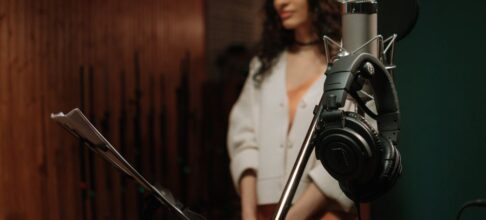
It’s a running joke at some localization studios in Montreal that you can spot an “American read” from a mile away. Too bright, too relaxed, or just the right cadence—it depends on who you ask. But scratch the surface of industry panel discussions and there’s little agreement about what actually makes American voice over so marketable—or polarizing—in global media production.
The Contradictions of Clarity
Decades ago, the American accent was considered a kind of international vanilla—especially after Hollywood’s ascendance in the mid-20th century. In postwar Europe, as Berlin’s dubbing houses rebuilt their pipelines for imported US films, clarity and neutrality were prized above all else. You hear echoes of this today: "We get briefs from streaming clients asking for 'neutral US'—but every director has a different definition," says Lila Menendez, a casting coordinator at Dubbing Brothers Paris. Her team juggles requests that swing from Californian laid-back to New York assertiveness—sometimes within the same project.
Netflix and Amazon Prime: The Globalization Effect
A significant shift happened around when Netflix began commissioning massive volumes of original content with English-language voice options—even for shows produced in Poland or South Korea. At SDI Media Los Angeles (now Iyuno-SDI Group), engineers started noticing an uptick: nearly % of their English dubbing projects called specifically for "standard American" rather than British or transatlantic styles.
But this is less about linguistic purity than brand association. A Polish series dubbed with an unmistakably Midwestern tone signals different values (aspiration, relatability) compared to clipped RP British. The data is hard to pin down—a lot gets lost in internal dashboards—but anyone who’s worked on these rollouts knows U.S.-style voice work doubled in volume across Europe between and .
Game Studios vs Animation Houses: Different Priorities
In interactive game studios like CD Projekt Red (Warsaw), American voice over is prized not just for its clarity but for energy—what one director calls “the roominess.” Their narrative designers routinely cast LA-based actors for tentpole releases because "players expect cinematic performance." Meanwhile, Nickelodeon’s Burbank campus runs regular workshops dissecting minute differences between regional U.S. reads (“Midwest warmth” versus “East Coast edge”).
One workflow scenario from a real campaign: For Cyberpunk ’s English-language release, CD Projekt Red hired both union and non-union actors out of Los Angeles to achieve what they call "universal authenticity." Sessions ran upwards of six hours per day over several months; more than % of performances were retaken after initial feedback from QA teams in Germany and Ireland flagged lines as “too local” or “not global enough.”
AI Voices Are Here (But Not There Yet)
A recurring topic at industry mixers in London and Austin is how synthetic voices are closing the gap—but not quite ready to take center stage. Deepdub.ai claims that by late it could produce passable American-accented narration at scale for e-learning modules and explainers, reducing costs by up to %. Yet when Disney+ piloted AI-driven dubs for children’s animation last winter, focus groups flagged subtle timing issues—the jokes didn’t land. Real actors still hold sway when emotional nuance matters.
Studio Woes: Local Versus Outsourced Talent Pools
New York-based agencies like SoundsBig have noticed another trend since early : European clients increasingly request authentic regional flavors within an ostensibly standard American delivery. One Danish ad agency insisted on casting someone with Pacific Northwest roots for an eco-brand spot targeting Seattle transplants now living in Copenhagen.
A common pattern emerges: While big-budget campaigns rely on established LA or NYC talent pools—often unionized via SAG-AFTRA—smaller projects will patch together remote sessions with freelancers scattered across Phoenix, Dallas, even Reykjavik (where expats sometimes fill the niche). This mosaic approach keeps costs flexible but raises quality-control headaches; directors complain privately about inconsistent session acoustics and file formats.
Market Demand Meets Cultural Sensitivity (or Lack Thereof)
There’s no universal playbook here—a fact confirmed by Tokyo-based localization veteran Kenji Sato during his talk at GDC Europe last year. He recounts Japanese RPGs getting panned by Western fans online because English dubs sounded “weirdly polite”—a mismatch caused by literal translation plus overly careful American enunciation.
Meanwhile, Brazilian production company Som de Casa flips the formula entirely: They often seek out Americans with trace amounts of Spanish or Portuguese inflection to make ads feel cosmopolitan yet approachable across LATAM markets. As Sato put it bluntly backstage: “Authenticity is subjective until your audience complains.”
Metrics Nobody Agrees On — Except Turnaround Time Matters Most
Ask any post-production manager in Toronto or Melbourne where budgets are tightest—they’ll point straight at voice over timelines. With major streaming launches requiring dozens of language tracks simultaneously (as many as + per title since COVID-era boom), demand for reliable US-English reads has never been higher. Iyuno-SDI Group reported average turnaround expectations shrinking from two weeks per episode in early 2010s workflows to under four days today—a squeeze driving both innovation and burnout among talent coordinators.
Historic Milestones—and Why They Matter Now
The explosion of cable networks like Cartoon Network and Nickelodeon in the late 1990s set new benchmarks for character-driven American voice acting; suddenly everything had to be punchier, more memorable—and endlessly adaptable into other languages later on. This legacy shapes current industry standards far more than most insiders admit.
When Disney localized Frozen II into nearly fifty languages in late , producers insisted that each dub capture “the energy of Broadway fused with West Coast ease”—essentially codifying what younger generations unconsciously associate with mainstream American voicing.
European Friction Points
Despite its dominance globally, there remain pockets of resistance—in Germany especially, where ZDF Enterprises’ drama buyers often veto "over-Americanized" dubs fearing alienation among local viewers accustomed to understated delivery styles dating back to Rainer Brandt's legendary scripts from the ’70s.
In practical terms? Munich studio heads report re-recording up to a quarter of their dialogue tracks annually due purely to complaints about tone being too brash or "synthetic sounding." It's not uncommon for German mixers to swap out entire casts mid-season if test audiences revolt during pilot screenings.
So What Do Experts Agree On?
They don’t—not really—but there are patterns:
- Standardized workflows favor U.S.-based VO artists due mostly to logistics (timezone overlap with major entertainment hubs)
- Commercial clients want crispness and speed; indie game devs crave quirkiness and risk-taking performances;
- Corporate e-learning modules produced out of Dublin overwhelmingly choose US accents for perceived friendliness—even though half their listenership might be sitting in Prague or Bucharest!
- Tech platforms like Descript and ElevenLabs have democratized access so thoroughly that even small creative shops can audition hundreds remotely—all chasing that elusive blend between familiarity and novelty only the best human performers seem able to nail consistently…for now.