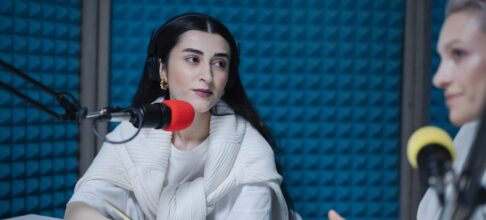
You hear it in Cairo’s bustling streets, in Riyadh’s taxi radios, floating over animated dragons on Netflix, or guiding a player through a desert level in a Berlin-made mobile game: the modern Arabic voice over. Yet something about its transformation feels both overdue and oddly out-of-sync with global trends.
A decade ago, you’d find most Arabic voice artists hunched over in analog studios across Beirut or Amman. These sessions were slow—sometimes 4x slower than their English-language counterparts. Veteran producer Laila Khalil at Egypt’s Studio Masr once described her standard workflow for TV drama dubbing as “always last-minute, always an emergency.” Her team juggled six dialects and dozens of scripts per week—often with hand-scribbled changes mid-session.
Today, the process runs through fiberoptic cables and cloud-based AI dashboards more often than not. But the human tension hasn’t left; it’s just migrated online.
When Fast Isn’t Fast Enough: The Streaming Surge
Netflix MENA’s content push after set off a sharp spike: by , the number of full-length series requiring high-quality Arabic audio tracks had tripled compared to pre- levels, according to regional vendors like Sama Art International (Jeddah). But even as demand soared, localization teams struggled to keep up.
In one typical case from late , Netflix requested simultaneous launch of a Turkish thriller dubbed into Modern Standard Arabic, Egyptian Colloquial, and Levantine—all within two weeks of original airdate. The result? A hybrid workflow: raw AI-generated drafts reviewed by veteran actors working remotely from home booths in Casablanca and Dubai.
“The tech saved us on speed,” says Nour Ali, project manager at Jordan’s Mosaic Studios. “But quality control doubled our review time. People expect smooth dialogue now—they notice when it sounds robotic.”
Dialect Wars and Brand Identity
One persistent contradiction: while clients crave efficiency (and lower costs), they also demand authenticity—a challenge unique to the fragmented landscape of spoken Arabic.
European media agencies frequently underestimate this complexity. One German game publisher (let’s call them GameForge Europe) learned this the hard way when localizing an open-world RPG for Gulf countries in . Their initial plan used generic Modern Standard Arabic synthesized voices generated via Respeecher AI tools.
Within days of soft launch in Kuwait and Saudi Arabia, social media was flooded with complaints about “unreal” dialogue that sounded nothing like local speech patterns. GameForge halted updates and pivoted fast: hiring two Dubai-based voice directors who re-recorded hero lines using Najdi and Hejazi dialects—an extra % added to their localization budget but resulting in a dramatic increase in user engagement metrics (+% dialogue retention).
Rethinking Studio Space: Remote Voices Everywhere?
COVID- forced even legacy studios into decentralized workflows almost overnight—and many haven’t returned. In Beirut’s AdmaVoice Studios (established ), founder Georges Azzi admits that since nearly half his projects run via Source-Connect or similar remote platforms.
It works for advertising spots (“We did a campaign for Pepsi KSA entirely with voices recorded from three different cities,” Azzi notes). But long-form work still reveals cracks: sync issues due to latency; mismatched room tones; inconsistent accent coaching when directors aren’t physically present.
Still—the scale is undeniable. According to industry insiders at Dubai Media City, over % of new Arabic voice projects commissioned by UAE-based ad agencies in featured at least partial remote production elements.
AI Hype vs Human Nuance: Where Do We Actually Land?
AI models like ElevenLabs or Replica Studios are making headlines—and yes, they can deliver halfway decent Arabic narration for simple explainer videos or e-learning modules within minutes rather than hours. But try selling an emotional Ramadan commercial voiced entirely by synthetic actors? Not yet convincing—at least not if you ask Tarek Younes at Oryx Audio Qatar, who recently ran AB tests comparing AI output against human reads for telecom brand stings. The result? Human talent led preference scores by more than % among target audiences aged –.
Many real-world projects now blend both approaches: automated rough cuts followed by nuanced pickups from experienced talent scattered across Cairo or Tunis.
Shifting Sands: Is There a Future Consensus?
There isn’t one answer—at least not yet. Some broadcasters insist on traditional full-cast ensemble recordings (still common at Rotana Studios Jeddah), while digital-first brands are comfortable with leaner remote workflows stitched together via Google Drive folders and WhatsApp group chats spanning four countries.
But what emerges—across Egypt’s film sets or Berlin’s gaming incubators—is relentless experimentation rather than settled best practice. What works today will likely morph again tomorrow as streaming wars intensify and machine learning algorithms close the gap between human nuance and synthetic agility.
For those watching closely—from Doha boardrooms or Parisian sound labs—the only certainty is that the business of giving Arabic media its authentic voice won’t stand still.