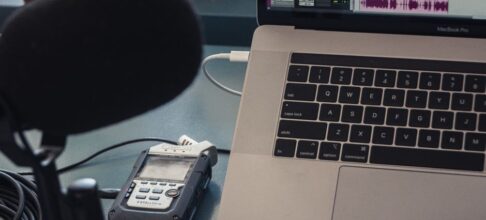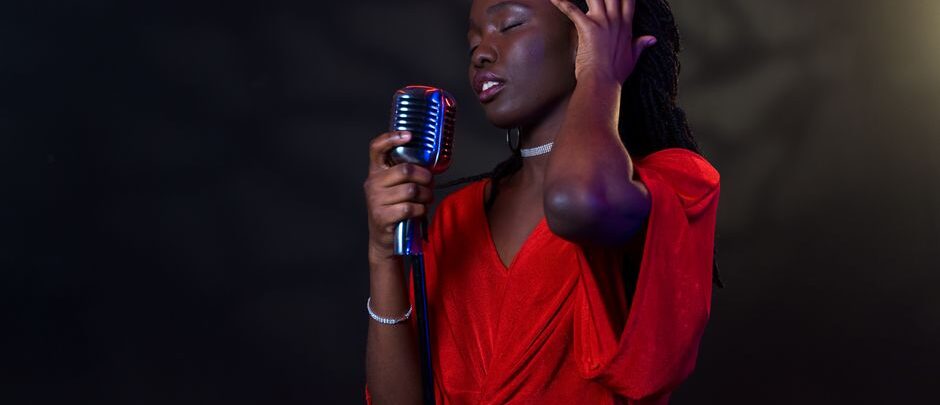
There’s a moment—late in post-production, headphones on, coffee cooling—when a creative director at LA-based SoundBender Studios pauses playback. The voice in their headphones is unmistakably resonant, subtle inflections carrying lived experience. It’s not just another asset for a streaming original; it’s the new normal. But what does that even mean now?
For years, the phrase "African American Voice Over" was largely shorthand in casting calls: "urban," "authentic," often misapplied or misunderstood. By mid-2020s, an undercurrent had swelled into something less easily codified and more widely demanded—a nuanced reckoning with sound, representation, and who gets to tell which stories.
The Old Templates Cracked Open
A decade ago, most AAA games and big-budget animations still funneled African American voice talent into supporting or comic relief roles. Think back to 2014: only a handful of Black lead characters carried blockbuster titles (Sony's Infamous: Second Son stands out as an early exception). Even then, casting was cautious; agencies leaned on familiar voices rather than searching for fresh perspectives.
But by 2023–2025, Netflix’s international slate began pushing studios to localize content with regionally authentic narrators—including for US-specific genres like historical documentaries and YA dramas. That meant not just hiring African American actors as token diversity ticks but seeking those able to bring layered authenticity across genres. Dubbing studios from Paris to Atlanta started fielding requests for “Black Southern Gothic,” “Chicago spoken word,” even “Bay Area Gen Z.”
Data Points: The Numbers Behind the Shift
In actual studio rosters tracked internally by Voicetrax SF (a major US agency), the number of Black male and female talent booked for national campaigns doubled between 2021 and 2025—from roughly 8% to nearly 16% of all campaign bookings. That growth isn’t isolated to one sector; advertising agencies like Wieden+Kennedy began reporting increased demand for distinctly regional Black voices in everything from car commercials to mobile banking explainers.
Meanwhile in London’s Soho district—where audio localization giants like Molinare work on global franchises—the number of projects specifically requesting “African American English” accents grew steadily after Disney+’s global expansion in late 2022. Producers there note that US-based Black actors are now flown over or patched into remote sessions twice as often as they were five years ago.
A Real Studio Workflow: From Brief To Broadcast
The shift isn’t just about numbers; it’s visible in workflows. At New York City’s Audio Mosaic (a boutique post house serving HBO Max), a recent pitch came in from a German game developer adapting an episodic sci-fi series for North America. The brief required three leads: one white male, one Afro-Latinx female, and one African American teen voiced by someone who could deliver both Midwestern and Southern tones.
Casting director Erica Reynolds describes her process:
- First round auditions posted via Voice123 and direct outreach to regional theater networks—not just standard agency lists.
- Directors conduct Zoom callbacks emphasizing improvisation with culturally specific dialogue cues (“How would your uncle say this?”).
- Final selections involve sensitivity review panels—external consultants weighing authenticity versus stereotype risk.
- Final records happen both on-site and remotely; two engineers patch live from Atlanta’s Patchwerk Studios so coaches can tweak performance in real time.
- Finished episodes delivered within three weeks—a timeline down by almost half compared to pre-pandemic norms due to cloud-based collaboration tools adopted industry-wide since lockdowns forced workflow reinvention.
- Early narrative drafts are workshopped alongside cultural consultants from Sydney’s African diaspora community.
- Voice directors hold table reads featuring local Black Australian actors plus remote guest stars from Chicago and Houston—an intentionally hybrid approach blending accents and life experiences.
- Feedback loops run through Discord channels where gamers flag lines they feel ring false or cliché; writers revise accordingly before final VO records begin.
- A Barcelona-based animation studio adapting an Afro-futurist webcomic recently struggled sourcing Castilian Spanish-speaking Black voice actors able to layer subtle Anglophone/African American rhythms into their performances—a gap now partially bridged through partnerships with London agencies specializing in diaspora talent pools built up since Brexit redrew continental freelance networks post-2016.
- Meanwhile Warsaw dubbing firm MediaKraft reports rising demand among Polish broadcasters for “global English” versions narrated by genuine Black Americans—a trend spurred partly by youth-targeted brands chasing authenticity signals popularized via TikTok meme culture after viral U.S.-Polish collaborative campaigns circa late 2023.
Not Just More Voices—Different Stories Entirely
A common misconception is that broader representation simply means more slots filled by minority performers reading unchanged scripts. But if you drop into the writers’ room at Australia’s Massive Monster Games during last year’s cult hit launch (the Melbourne indie studio behind ‘Voices Unbound’), you find something different:
This kind of iterative story development has led some studios—including Poland's CD Projekt RED during its upcoming AAA title rewrite—to budget up-front for parallel script paths tailored around diverse voice talent input right from pre-production. It isn’t perfect or universal yet—but it marks a break from legacy pipelines where post-casting rewrites were rare or reactionary.
AI Enters the Booth—and Raises New Questions
By early 2026, synthetic voices trained on regional dialects aren’t science fiction—they’re quietly integrated into several mid-tier ad agency toolkits worldwide. Berlin-based localization outfit SmartDub has reported using AI-generated temp tracks modeled after contemporary African American vocal profiles when pitching concepts to clients before final casting decisions are made.
Clients appreciate faster turnaround—the difference between same-day approval vs traditional multi-day casting searches. But questions swirl about ownership: who gets compensated if an AI model borrows intonation patterns learned from real Black performers? SAG-AFTRA is currently negotiating terms after high-profile disputes involving unauthorized model training using archived session data from LA-based talents dating back over a decade.
Expectations around consent have shifted dramatically since mid-2010s controversies over deepfake celebrity endorsements; today’s contracts drafted by firms like Curtis Brown Group explicitly bar reuse of samples without upfront buy-in—and royalty splits are being tested case-by-case across projects ranging from Italian automotive spots to US e-learning modules targeting K–12 students in Detroit public schools.
Platforms React—and Sometimes Fumble Publicly
Streaming platforms drive much of this change—but not always seamlessly. In winter 2025, Amazon Prime Video faced backlash when its animated adaptation of a Harlem-set graphic novel featured only two speaking roles cast authentically while minor background parts defaulted back to legacy agency rosters dominated by non-Black actors faking dialects. Social media pressure led Amazon Studios’ head of audio content Jen Carter to publicly commit resources toward curated talent pools tied directly into regional theater circuits starting Q2 2026—a move echoing similar pivots seen at France Télévisions when local protests erupted over miscast dubs on imported US hits just two years prior.
The lesson? Audiences notice nuance now more than ever—and pushback swiftly shapes hiring policies at scale-driven companies that might once have shrugged off criticism as niche activism rather than commercial risk management.
Divergence Across Regions: Europe Isn’t The US (Yet)
European markets present both hurdles and opportunities distinct from North America’s rapid evolution:
So while adoption rates vary widely between cities like Paris (where industry guild membership remains tightly gatekept) versus digitally open Athens (where remote-first start-ups source globally), the underlying current flows toward wider sourcing models—and away from historically narrow pipelines reliant on domestic-only rosters or accent mimicry as shortcut diversity proxies.
Step-by-Step: How This Actually Looks By 2026
1. Script development begins with explicit discussion around character background—not just checklists but guided workshops involving consultants representing relevant lived experience (e.g., Atlanta playwrights weighing in on rural Georgia slang).
2. Talent scouting goes beyond mainstay LA/NY agencies—casting directors tap social platforms like Clubhouse communities dedicated to emerging Black voice artists, plus regional theater collectives outside top metro areas (e.g., Dallas/Fort Worth circuit).
3. Callback rounds prioritize improvisational reading; directors ask prospective talent how lines would be said among family/friends rather than sticking rigidly to written copy—a practice piloted successfully during Ubisoft Toronto's localization sprint for its 'Heroes Rewritten' expansion pack last spring.
4. Recording sessions often split between remote home booths equipped with SourceConnect/SessionLinkPRO setups (adopted en masse since COVID-era disruptions) and specialist city studios where dialect coaches intervene live over video linkups—as observed regularly at Dublin's Screen Scene Post during pan-European campaign launches throughout FY25–26 cycle.
5. Editorial review stages include dedicated sensitivity readers empowered not just with veto power but authority to green-light alternative takes if original direction feels tone-deaf or outdated—mirroring protocols introduced across ViacomCBS' kids division following audience feedback spikes in early 2024 analytics reports tracking engagement dips during poorly received segments featuring generic "urban" narration tropes instead of regionally precise delivery styles.