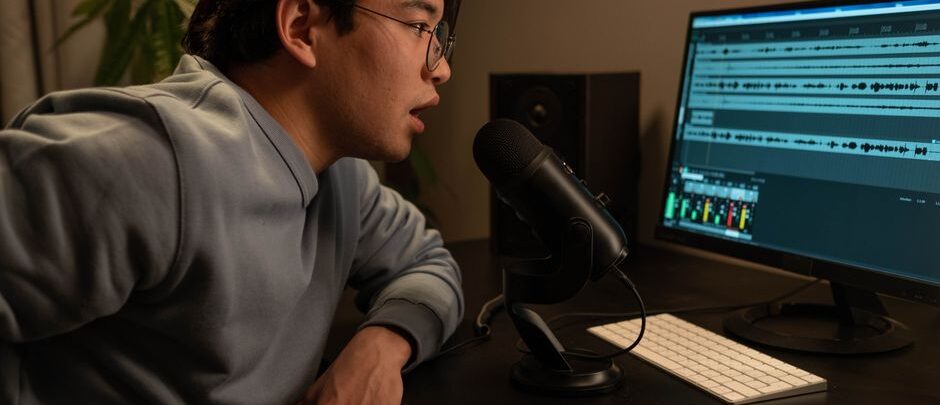
There’s a moment—mid-afternoon, somewhere in a dimly lit studio in Soho, London—where a script lands on the music stand. The voice actor, coffee cooling beside the pop shield, raises an eyebrow. It reads: “urgent pharmaceutical explainer, American neutral.” The engineer sighs. This is not the glamorous world of cartoon dubs or AAA game villains. But it’s the real heart of English Voice Over—messy, high-pressure, and rarely what outsiders imagine.
Beyond Accents and Microphones: What Fundamentals Really Mean
It’s tempting to think of Voice Over as just “reading scripts well”—but that illusion evaporates quickly on any actual project. When Netflix began localizing their originals for global markets around 2016, they realized something uncomfortable: even seasoned UK-based talent struggled with the "neutral international" tone required for broad audiences. Directors weren’t asking for “RP” British or Southern Californian; they wanted clarity without personality—a challenge much harder than it sounds.
In practical terms, fundamentals go far beyond diction and accent control:
- Session discipline: Adapting pacing mid-line when a client joins remotely from Sydney (a regular occurrence at multi-country agencies like SDI Media)
- Script surgery: Rewriting awkward lines on-the-fly when legal teams redline medical claims (seen daily at clinical trial localization firms in Ireland)
- Emotional calibration: Delivering three shades of reassurance for insurance ads targeting different US demographics—all before lunch
- Polish original script translated to English by in-house linguists who also play games (“Otherwise you get clunky phrases gamers hate,” says one lead).
- Casting brief goes out—must sound both 'authentic' and 'international.'
- First takes recorded using Source Connect so LA producers can dial in live feedback (2023 saw nearly 80% of sessions handled this way at their studio).
- Director marks up each line post-session using spreadsheet macros tied to audio timestamps—a system borrowed from German audiobooks but now standard across major Eastern European studios.
- If dialogue doesn’t land with test players during focus groups, actors are rebooked within 48 hours.
- Two native English variants (UK and Global Neutral)
- Same-day delivery after late script approval due to regulatory changes
- Full compliance checks against both German and UK advertising standards (requiring last-minute rephrasing)
- Adaptation for TikTok clips with casual tone compared to formal TV spots
- Linguist reviews all terminology against FDA/EMA glossaries before recording begins (a practice adopted widely since stricter EU MDR rules came into effect around 2019).
- Voice actors rehearse with phonetically transcribed terms—sometimes requiring two takes per term if pronunciation falters under pressure.
- Project managers schedule QA listening sessions involving both medical consultants and native speakers—not just engineers—to ensure technical accuracy aligns with natural speech rhythms.
A Workflow From Warsaw: Real Steps, Not Theory
A Polish localization boutique working with CD Projekt on RPG titles outlined their workflow last year:
This isn’t exceptional—it’s routine for cross-regional gaming projects now.
The AI Question Nobody Agrees On Yet
No discussion is complete without addressing synthetic voices. Since early 2023, tools like Respeecher and ElevenLabs have crept into mainstream workflows—not only for temp tracks but sometimes final delivery in e-learning or internal training modules.
But here’s the catch: Australia-based production house Soundfirm reported that while about 20–25% of corporate clients asked about AI-generated voices last quarter, less than half actually used them after pilot tests. Feedback? "Synthetic tone still fails basic trust cues," according to one senior producer based in Melbourne.
Still: for low-stakes content (think onboarding videos), some US startups save up to 40% on costs using AI voice over—but only when quality benchmarks are flexible.
When Fundamentals Collide With Reality: Case Example From Berlin TV Ads
Consider a fast-turnaround ad campaign for a Berlin fintech company launching across Germany and the UK simultaneously (spring 2024). They needed:
The result? The agency scheduled overlapping remote sessions between Berlin and London talents using SessionLinkPRO—with backup voice actors on call due to time zone delays from New York stakeholders weighing in overnight.
Every stage was squeezed by deadlines—the director texting WhatsApp notes directly to talent mid-session because Slack notifications were buried under translations requests from French legal partners.
Why Script Prep Is More Than Just Reading Aloud (A View From Dublin)
Dublin-based Teneo Translations handles medical device explainers—a niche where minor errors can mean real-world consequences. Here’s what their process looks like:
"We’ve had cases where we rescheduled entire sessions because a single phrase failed the clarity test," says Teneo's lead PM—highlighting how English Voice Over must serve legal compliance as much as artistic nuance.
Why Fast Isn’t Always Better—and Where Quality Fails Most Often
Most buyers assume faster turnarounds mean better service. But industry insiders will admit that rush jobs often skip essential steps—especially script vetting or proper casting—which leads to expensive retakes down the line.
For example: several Australian ad agencies reported in Q1 2024 that campaigns rushed through overnight recording cycles saw post-launch corrections rates nearly double those completed on standard schedules—that is, roughly 18% vs under 10%. This isn’t rare; it’s endemic wherever marketing launches collide with pan-regional scale-ups or sudden regulatory newsflashes.
The Role Of Directors Has Quietly Changed Since COVID
Pre-pandemic, most UK studios insisted directors be physically present—for chemistry between talent and creative leads mattered more than remote convenience. That shifted overnight in spring 2020; now even legacy houses like Soho Square Studios routinely direct via Zoom or Cleanfeed, managing multiple talents across continents simultaneously."It saved travel costs but raised new challenges," admits one veteran director who now wrangles five concurrent sessions from her kitchen outside Manchester every Thursday morning.