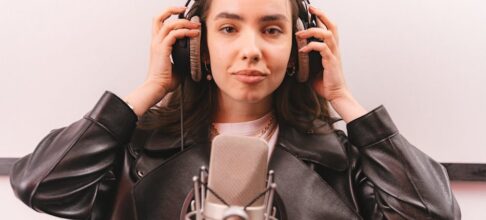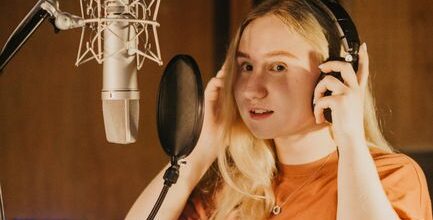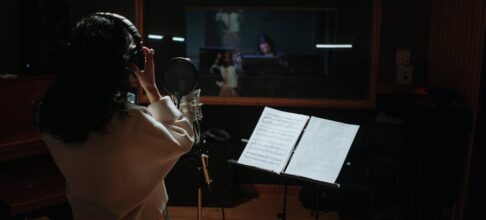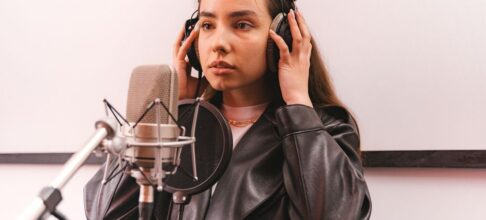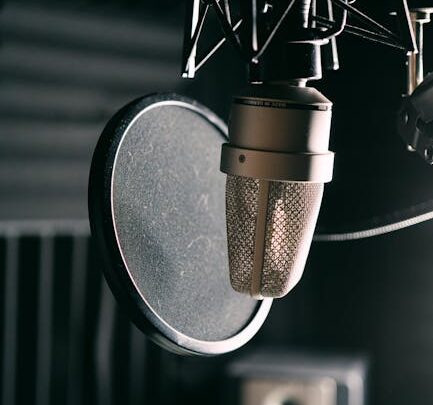
A decade ago, if you needed an authentically Australian voice for a TV spot or a video game, the choices were oddly narrow: the big-voiced bloke, the chirpy mum-next-door, or that well-worn corporate narration style. Yet today, in a recording studio off Sydney’s Cleveland Street, there’s a table strewn with USB mics and laptops running Source-Connect—three regional accents being coached for an animated series aimed at both Melbourne kids and U.S. streaming platforms. There’s even a debate about whether to keep a hint of Queensland twang in the protagonist’s lines.
Not so long ago, most voices exported from Australia were polished to remove any trace of suburban edge or multicultural flavor. That started shifting around as international brands like Netflix and Ubisoft began demanding local authenticity in their global content pipelines. Suddenly, “Australian” stopped meaning just one radio-friendly accent.
From jingle factories to indie studios: Growing complexity
In the 1980s and 90s, most commercial voice work filtered through tightly-knit production houses like Soundfirm (Melbourne) or Big Ears Audio (Brisbane). Everything was analog tape reels and phone-patch sessions for remote clients. The entire workflow often meant three people crowded around a Neumann U87 mic in an acoustically imperfect booth—quick takes, little room for nuance.
By , mid-sized outfits like Risk Sound (Sydney) report almost % of their bookings now come from digital-first projects: social campaigns, mobile games, podcast ads—themed for TikTok instead of television. These jobs often require multiple dialects per campaign and rapid adaptation to script changes driven by real-time analytics. In practical terms: one day you’re voicing a mining safety animation; next week it’s an irreverent YouTube explainer with slang-heavy banter.
A typical workflow: Game localization at League of Geeks
Consider how Melbourne-based League of Geeks approached character casting for their strategy title “Jumplight Odyssey.” Rather than defaulting to generic neutral English—still common across much of Europe—they hired six local actors to embody everything from urban Sydney teens to gruff Tasmanian engineers. Sessions ran virtually over Cleanfeed during lockdowns; scripts were iterated with input from narrative leads based on player feedback data scraped post-beta launch.
The end result? Overseas players reportedly spent more time replaying side missions featuring distinctive Aussie characters—a detail credited by producer Blake Mizzi with boosting user retention by “at least %” during their first quarter release window.
AI enters the booth—sometimes awkwardly
In recent months, several ad agencies based in Brisbane have quietly piloted ElevenLabs’ synthetic voice cloning for test reads and rapid prototyping—especially when working with tight deadlines from U.S.-based clients expecting near-instant turnarounds.
But here’s where reality bites: While these tools can spit out endless takes overnight (a godsend for last-minute revisions), they stumble badly on cultural nuance. One agency head described their horror upon hearing an AI-generated "Aussie" read peppered with American intonation—“like Crocodile Dundee meets Siri,” she quipped—and ultimately reshot all final versions with human talent via local studio Cast Away Studios in Fitzroy.
The global stage gets louder—and messier
International demand is up but so are expectations around inclusivity and authenticity. The rise of platforms like Audible Australia has mainstreamed not just classic RP narrators but First Nations voices too—a shift that was nearly unthinkable five years ago in commercial media circles.
Meanwhile, localization teams in Poland and Germany regularly reach out to Sydney’s Yellow Sound Studio when they need regionally accurate English tracks for mobile apps targeting APAC users—a reversal of old-world outsourcing flows.
Who decides what sounds Australian?
It turns out even locals disagree about what constitutes a "real" Australian accent anymore. A streaming service showrunner I spoke to recently mentioned split focus group results between Adelaide and Perth audiences on whether certain intonations felt “authentic” or “cartoonish.”
So now it’s less about flattening quirks than carefully calibrating them—a marked contrast from the days when every airline safety briefing sounded vaguely like someone reading Shakespeare after two beers.
Data points behind the boom (and confusion)
According to industry tracking by Commercial Radio & Audio (CRA), commissioned voice bookings with regional inflections have doubled since pre-pandemic levels—and nearly % of those requests specify non-metropolitan variants or particular ethnic backgrounds.
Yet budgets haven’t kept pace; quick-turnaround jobs are up but average session fees are down roughly % compared to early figures cited by freelancers on VO network sites such as Voices.com.au.
Conclusion? It depends who you ask…
Some producers worry this fragmentation makes consistent branding harder (“What does ‘Australian’ mean if every campaign sounds different?”). Others see creativity unleashed at scale—as evidenced by SBS On Demand commissioning web series voiced entirely by Western Sydney teenagers using everyday street slang.
If anything is clear inside Australia’s evolving voice over industry, it’s that homogeneity is out—and contradiction is suddenly very marketable.