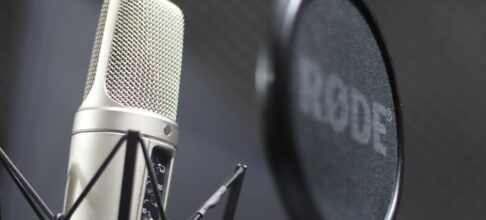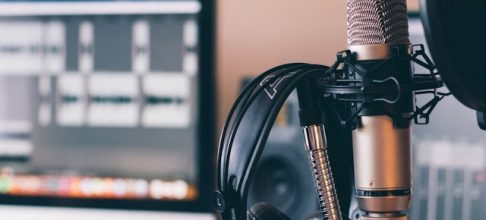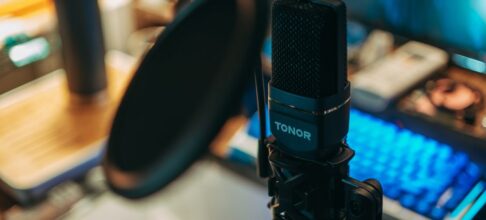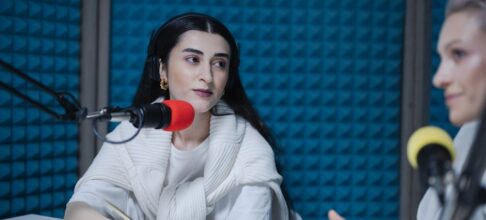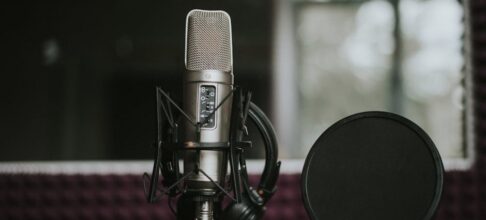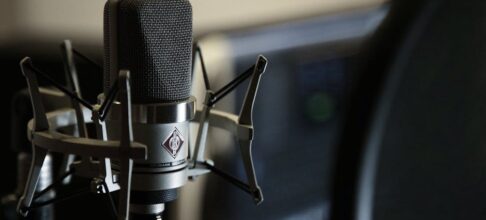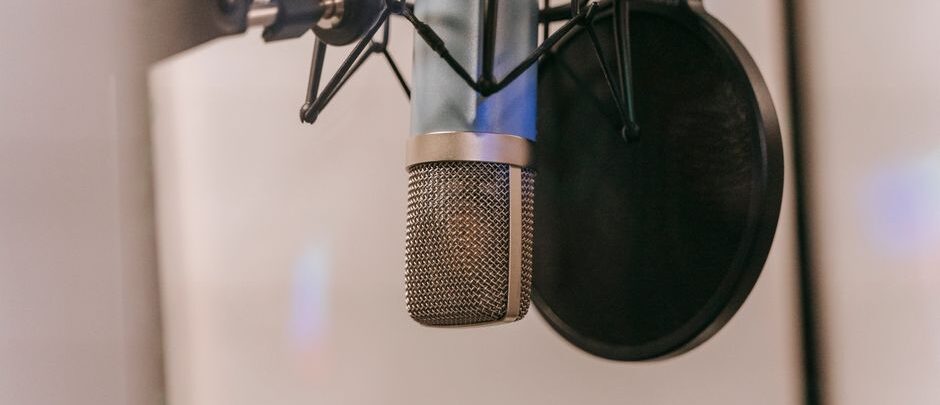
It’s a rainy Tuesday in Paris, and I’m standing inside the glass-walled booth at Chinkel Studio, near Place de Clichy. The room is barely bigger than a closet, but it’s where dozens of Netflix originals—think "Lupin" or "Emily in Paris"—have their French voice over magic conjured. The engineer taps his pen on the console. On the script are lines for an American teen drama, but they’ll emerge as something distinctly local. Dubbing into French isn’t just technical; it’s theatrical surgery.
When English Becomes French: The Subtle Art of Adaptation
Every year, France dubs roughly 80% of imported film and TV content. According to CNC (Centre National du Cinéma), over 1,000 hours of new series episodes pass through French dubbing studios annually since 2019. But behind these numbers lies a tug-of-war: authenticity versus audience expectation.
In a typical session at Chinkel, director Marie Dupuis listens intently to an actor voicing a high-octane chase scene originally delivered by an American star. The script has already undergone adaptation—not just translation—from US English into idiomatic Parisian slang. A literal translation would jar; here, “dude” becomes “mec”, but sometimes even more radical shifts are needed if wordplay or humor is involved.
From Montpellier to Montreal: A Tale of Two Studios
French voice over isn’t monolithic. In Quebec, local studios like Syllabes adapt shows for North American Francophones with distinct accents and cultural cues—a process that diverges sharply from mainland European standards.
A Quebecois version of "Stranger Things" sounds jarringly different to ears accustomed to Parisian French; producers for Disney+ Canada have learned this lesson the hard way after viewers noted mismatches between dialogue and cultural setting. In fact, in 2022 nearly 15% of complaints sent to TVA Group related specifically to accent incongruities in dubbed series.
Case Study: Ubisoft’s Global Workflow
Consider Ubisoft, headquartered in Montreuil just outside Paris—one of the world’s largest game developers and a pioneer in multi-language localization. For blockbuster releases like "Assassin’s Creed Valhalla," dialogue is not simply recorded once and then ported across languages via AI or raw translation.
Instead, scripts are rewritten by teams based both in France and Canada before they ever reach actors’ microphones. Each region records its own French audio tracks—sometimes simultaneously—to ensure emotional timing fits both Parisian and Quebecois sensibilities. Ubisoft reports that for every major title release since 2018, at least two full teams work independently on these parallel versions.
This workflow isn’t just about language fidelity—it impacts production budgets (localization can constitute up to 12% of total development costs) and timelines (an extra four weeks per region on average). And yet gamers expect seamless immersion regardless of which flavor of French comes through their headphones.
Tech Creep: AI Voices Versus Human Nuance?
Since mid-2021, AI-powered voice synthesis tools like Respeecher have started cropping up in European post-production houses—including smaller outfits in Lyon working on documentary narration for Arte TV. Producers appreciate turnaround times slashed by days; small agencies report going from ten-day delivery down to three or four using AI-generated temp tracks before human actors record final versions.
But not everyone is convinced. Veteran voice actor Jean-Paul Bordes says he lost two contracts last year when clients opted for synthetic voices instead—a trend echoed among colleagues at Les Voix studio in Marseille. While big-budget productions still demand human nuance (and union contracts), low-to-mid-tier e-learning modules now routinely feature AI narration with only minimal post-editing by actual speakers.
Losing Something In Translation… Or Gaining It?
Clients want recognizable stars voicing lead roles: Canal+ famously hired Pierre Niney for their adaptation of HBO's "Succession"—a move credited with boosting viewership among young adults by roughly 18% during its first month airing in late 2023. But casting choices can also spark debate: purists argue that celebrity voices sometimes break immersion if they’re too closely tied to unrelated brands or genres.
Meanwhile, advertising agencies in Brussels regularly produce pan-European campaigns requiring neutral French accents—a kind that almost never occurs naturally but is coached meticulously during recording sessions at studios like Sonhouse Belgium.
Hidden Realities: Turnaround Pressure & Quality Control
A common pattern among medium-sized Parisian studios involves relentless scheduling pressure as streaming platforms ramp up original content output each quarter. Directors recount cases where scripts land only hours before recording; one sound engineer confided that he mixed three separate episodes overnight so that Amazon Prime Video could meet next-day launch windows across multiple territories.
Quality control? Sometimes sacrificed under the weight of volume—a reality Netflix subtly acknowledged by increasing spot-check audits after several high-profile subtitle and dub errors slipped past review during late-2022 releases.
Not Just Film & TV – Corporate Needs Multiply Demand
Since COVID-19 forced multinationals online, requests for corporate training videos voiced-over in French have surged across Europe and Australia alike. An Amsterdam-based agency specializing in fintech onboarding materials reported doubling their annual output between 2020–2023 mostly due to demand from African francophone markets needing neutral-accent tracks quickly turned around for digital platforms like Udemy or Coursera.
In these scenarios, workflows often blend remote direction via Zoom with cloud-based asset sharing on Frame.io—a pattern increasingly standard since lockdowns began easing travel restrictions but not always restoring pre-pandemic studio routines.