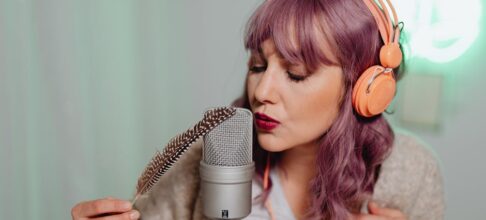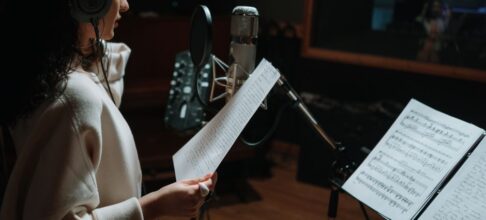
Prague, late afternoon. If you wander past the old Barrandov Studios, there’s a low hum that seeps through soundproofed walls—a language in transformation. It’s not just Czech being spoken; it’s being sculpted, performed, and sometimes debated over for hours on end. The world of Czech voice over is full of arguments about inflection and rhythm, but also quick adaptation to a globalized media landscape that rarely slows down.
A Scene from the Booth: Netflix Meets Ostrava
Last spring, I watched as two veteran voice actors—Lucie Štěpánková and Karel Zima—huddled over scripts for “Money Heist,” prepping the third season’s Czech dub at SDI Media’s Prague branch. It was 7 PM, well past the slot for children’s animation dubs. The director kept pausing: “No, more tension on ‘rychle!’ This isn’t a radio play.”
Netflix hasn’t released country-level viewing data for its dubbed content, but SDI Media estimates that demand for Czech language dubs has grown by roughly % since across premium streaming titles. That means more sessions like this one—tight deadlines, bigger expectations.
It used to be all about classic fairy tales or Sunday morning cartoons (think Krkonošské pohádky), but now it’s international thrillers and Korean dramas. In many Prague studios today, at least half of dubbing projects are international series or games intended for both local broadcast and regional streaming platforms such as VOYO.
From Vinyl to Virtual: Shifting Workflows Since
The first time I saw a Czech ADR session was in Brno in . Back then, they recorded onto DAT tapes and actors read from spiral-bound scripts covered with pencil marks. Today, those battered scripts have been replaced by iPads running real-time translation overlays—a tool provided by ZOO Digital in their cloud-based remote workflow suite.
The post-pandemic boom in remote collaboration hit Eastern Europe fast. By mid-, several midsize studios (including Brno-based GES Film Studio) were running hybrid workflows where directors dialed in via Zoom while voice talent worked from home booths padded with egg cartons and duvets.
GES reports that nearly % of their voice sessions now involve at least one participant working remotely—a figure unheard of before lockdowns began. This flexibility helps meet quick-turnaround requests from clients like Amazon Prime Video, especially when last-minute script changes occur after initial localization.
When Gaming Gets Local: Bohemia Interactive's Dubbing Decisions
Czech game developer Bohemia Interactive made waves with "Arma 3" (), which shipped with localized audio tracks in multiple languages—including full Czech voice acting for domestic release. Their workflow often starts months before launch: writers adapt dialogue specifically for local idioms (“Zalez do krytu!” instead of textbook translations).
Bohemia uses a three-step casting process involving open calls (sometimes drawing stage actors from Praha’s Divadlo v Dlouhé), followed by chemistry reads and technical tests to check sync with motion-captured animations. For "Arma Reforger," released in early access during , they piloted an AI-assisted lip-sync tool developed by Munich-based ReadSpeaker—reducing manual adjustment time by almost %. Still, final polish always comes down to human ears.
Game localization budgets have ballooned—Bohemia spends up to €70K per language on AAA titles compared to less than €10K a decade ago—but so have expectations from fans who want every bit of sarcasm or gallows humor preserved.
Who Owns the Sound? Rights Battles Behind Closed Doors
Here’s something most outsiders miss: The fight over re-use rights has gotten ugly since streaming services started gobbling up back catalogs. In late , several prominent Prague-based voice artists banded together (informally dubbed "Hlasová Unie") after discovering their voices had been reused on spinoff productions without new contracts or royalties.
As one actor told me off record: “It used to be handshake deals—one fee per session. Now my voice shows up on merchandising tie-ins I never agreed to.”
Studios are responding by negotiating longer-term buyouts or tracking usage through platforms like MyVoiceRights.eu—a startup out of Bratislava handling digital rights management specifically for Central European talent agencies.
Who Decides What Sounds 'Czech' Enough?
When Disney+ launched its service in Czechia in June , social media exploded over the new dubs for classics like "The Lion King"—half loved them; half called them soulless approximations lacking the warmth of original TV Nova dubs from the late ‘90s.
A recurring argument inside studios is how much slang or dialect can be woven into translations without alienating younger viewers raised on English YouTubers or TikTok memes. For teen-targeted shows such as “Sex Education,” localization teams at Bontonfilm reportedly consult linguists under age thirty—a move unthinkable ten years ago when senior translators dictated tone based strictly on standard Czech textbooks.
Automation Arrives—but Human Quirks Persist
There’s buzz about synthetic voices replacing live actors someday soon—especially given SVOX's recent pilot project with Česká televize using neural text-to-speech systems to generate narration for news recaps overnight (saving roughly three staff-hours per segment). But when it comes to drama or comedy? Directors still insist no algorithm can replace what one engineer jokingly calls “the desperate ad lib when someone flubs a punchline.”
In practical terms? Some studios use AI-generated scratch tracks during pre-production so editors can finalize visuals before booking expensive talent—but these placeholders are always swapped out before public release. As Bontonfilm’s head of audio put it last October: “Synthetic voices help us keep costs down early on—but if we ship them at scale? We’d be run out of town.”
Talent Pools & Training Gaps: The Next Generation Conundrum
Despite surging demand—the number of Czech-language commercial VO gigs listed monthly has tripled since early —the pipeline remains narrow. Few formal training programs exist outside FAMU’s occasional workshops; most newcomers learn via freelance gigs or mentorships snatched between takes.
Smaller towns face even greater challenges: In Olomouc and Liberec, local ad agencies report waiting weeks to book experienced narrators during campaign season because top-tier talent is concentrated around Prague and Brno clusters.
Some major broadcasters like Prima Group have responded by launching internal boot camps targeting young theater students—with mixed results; veterans complain that digital-native trainees rush delivery or flatten nuance compared to older colleagues steeped in radio traditions dating back decades.
Pricing Realities—and Studio Survival Tricks
What does all this mean for money? Rates vary wildly depending on project type and urgency:
- Commercial ads booked through mid-tier agencies fetch €– per spot,
- Streaming series range €–/hour,
- Indie videogame studios sometimes offer revenue shares rather than flat fees—a model pioneered locally by Amanita Design during its award-winning run with Machinarium (–).
To stay solvent amid rising costs and tighter turnarounds, some micro-studios sublease booth time after-hours or swap engineers cross-border within EU networks—in one example observed last fall, a Slovak engineer handled midnight QC checks remotely for a Prague post-house finishing an urgent Amazon order due next morning.
Voices With History—and Uncertain Futures
For all its modern tech trappings—cloud workflows; AI scratch tracks; digital rights disputes—the soul of Czech voice over persists somewhere between nostalgia and relentless change. When I asked Lucie Štěpánková whether she missed doing bedtime story tapes (“Pohádky na dobrou noc”) versus streaming megahits she answered without hesitation:
“It’s different now—but if you give me five minutes alone with any script… it’ll sound like home.”