Myth 1: Arabic Is Just One Language, So One Voice Fits All
Many people assume that Arabic is a single, uniform language. However, Arabic is a diverse language with multiple dialects, each with distinct pronunciation, vocabulary, and expressions. Modern Standard Arabic (MSA) is widely used in formal media and broadcasts, but local dialects such as Egyptian, Levantine, Gulf, and Maghrebi Arabic vary significantly.
Why It Matters for Voice Over
Choosing the right dialect is crucial for connecting with the target audience. For example, a Gulf Arabic voice over artist would resonate better with audiences in Saudi Arabia, UAE, and Kuwait, whereas an Egyptian Arabic voice is more relatable to Egyptian and North African audiences. Using the wrong dialect can alienate listeners and reduce the impact of your message.
Myth 2: Any Arabic Speaker Can Do Arabic Voice Over
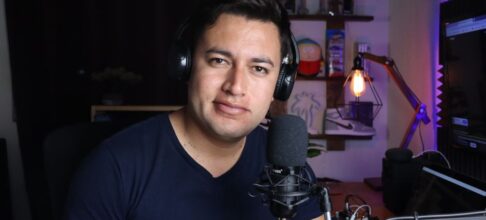
Not all native Arabic speakers have the skills to do professional voice over work. Voice acting requires more than just being fluent in a language; it demands vocal control, emotional expression, timing, and the ability to bring scripts to life authentically.
The Role of Professional Voice Over Artists
Professional Arabic voice over artists undergo training to master diction, voice modulation, and script interpretation. They understand cultural sensitivities and can adapt their delivery to suit different genres, whether it’s commercials, documentaries, e-learning, or animation.
Myth 3: Arabic Voice Over Is Just About Reading the Script Loudly
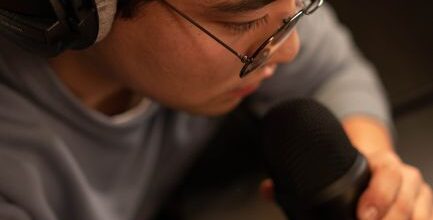
Some believe Arabic voice over is simply about reading a script aloud. This disregards the nuanced art of voice acting, which involves understanding context, tone, audience, and purpose.
Importance of Interpretation and Emotion
A successful Arabic voice over conveys emotions that match the content — excitement, urgency, warmth, or solemnity — enhancing listener engagement. The artist must also consider pacing, inflection, and pauses to ensure clarity and impact.
Myth 4: All Arabic Voice Over Work Can Be Done Remotely Without Quality Loss
While the rise of remote recording has made voice over more accessible, some people think any recording environment will suffice for Arabic voice over projects.
Professional Studio Requirements
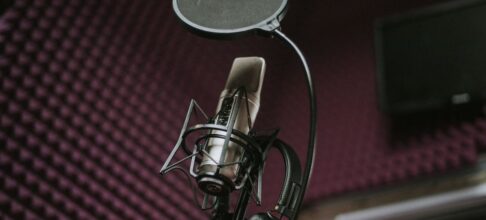
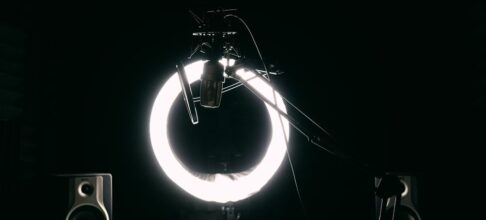
Arabic voice over demands high audio quality, free from background noise or echo. Professional studios offer soundproof environments and state-of-the-art equipment that ensure clean recordings. Without such settings, the final product can suffer, requiring costly post-production fixes or re-recordings.
Myth 5: Arabic Voice Over Is Expensive and Not Worth the Investment
Some clients assume that Arabic voice over services are overpriced or not worth investing in.
The Value of Quality Arabic Voice Over
Quality voice over enhances brand credibility, ensures message clarity, and strengthens audience connection. Cheap or low-quality Arabic voice over can backfire, causing misunderstandings or damaging brand reputation. Investing in skilled artists and proper production yields long-term benefits, including increased engagement and customer trust.
Conclusion
Arabic voice over is far more than just a straightforward reading of text by any Arabic speaker. It involves understanding the language’s rich dialectal diversity, employing professional skills, and investing in quality production. Dispelling these common myths helps businesses, content creators, and media producers achieve authentic, engaging, and effective Arabic voice over projects that truly resonate with their audiences.
---
For those seeking expert Arabic voice over services, working with seasoned professionals who appreciate the linguistic and cultural nuances is essential to delivering impactful results.