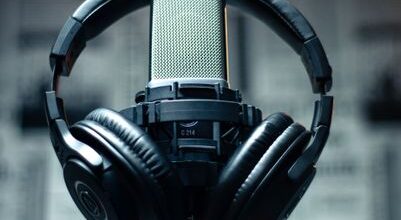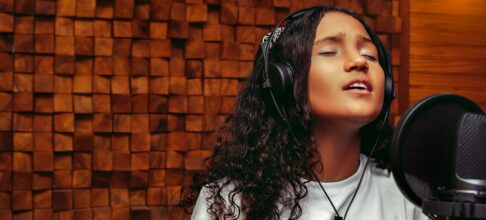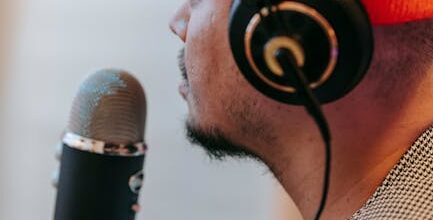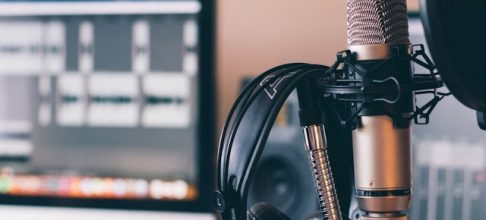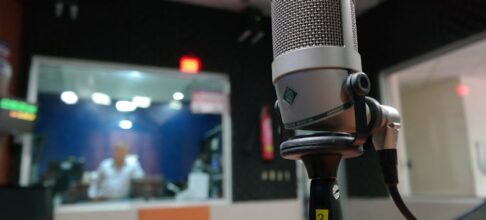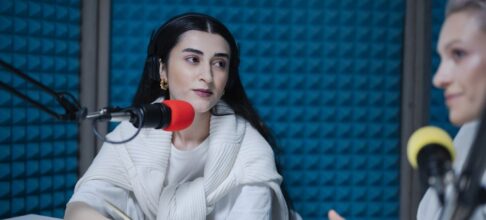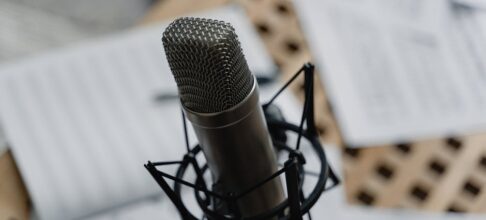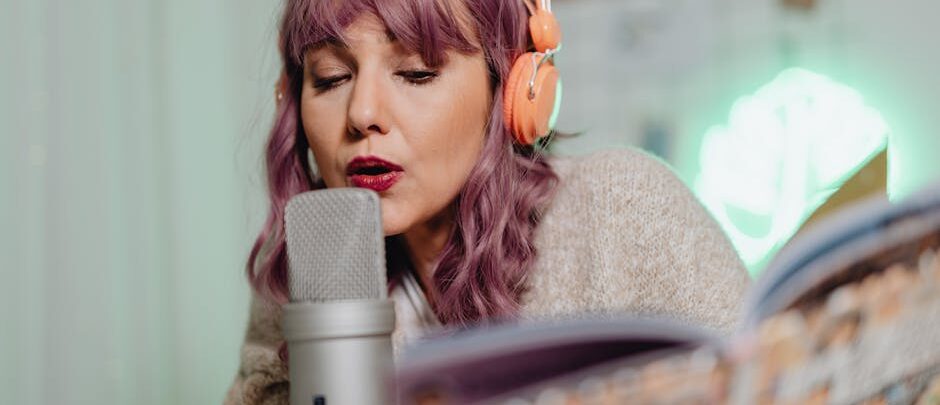
It’s a Wednesday in Melbourne. You’re sitting in the tiny soundproofed booth at Electric Dreams Studios, script in hand, staring down a Neumann TLM mic worth more than your first car. The script? A -second spot for Bunnings Warehouse. Your accent—pure West Sydney—has already been flagged as “a bit too real” by the agency producer on Zoom. Welcome to the unpredictable world of Australian voice over for beginners.
Not Quite Hollywood: Where the Real Work Happens
In Australia, unlike LA or London, most new voice talent skip the big agencies and go straight to local studios or online marketplaces like Voices.com and The Voice Realm. In alone, over % of entry-level jobs tracked by Brisbane’s Little Red Studio came from digital platforms rather than traditional casting calls. If you ask around Sydney’s tight-knit community (which is smaller than you’d think), almost everyone starts off self-producing demo reels at home—often with nothing fancier than an Audio-Technica AT2020 mic and some noise blankets from Kmart.
But before anyone gets romantic about DIY hustle: audio engineers like Andy Tran at Sound Kitchen warn that "the rise of online platforms has made competition brutal." For every Qantas campaign booked through a reputable agency like RMK Voices, there are dozens of low-paying gigs—think e-learning modules for law firms or regional radio spots—that never see a professional studio.
A Crash Course in Australianisms—and Client Contradictions
Here’s something they don’t teach you in drama school: authenticity is rarely what clients want. Take the case of Canva’s rebrand campaign. The creative brief called for "an authentic Aussie tone," but when young actor Emma S. submitted her natural Queensland accent, the feedback loop began: "Can we make it less nasal?" "Try more neutral." By round four, she sounded closer to Kiwi Prime Minister Jacinda Ardern than anyone on Bondi Beach.
This tension between true blue Aussie voices and international palatability isn’t new; back in the late 90s when Foxtel started importing American shows with local promo wrappers, producers were already requesting “Australian—but not *too* Australian.”
Auditions at Scale: The Numbers Don’t Lie
On average, according to a recent survey by Voiceover Kickstart (), beginner talents in Australia submit up to auditions per month via sites like Voices123 and StarNow before landing their first mid-range gig (typically $–$ AUD). But hidden behind those numbers is burnout risk—a fact confirmed by Creative Edge Productions in Adelaide, where managing director Jasmine Lee says nearly half their aspiring roster quit within six months due to relentless rejection emails.
Still, persistence pays off eventually. One notable example: Perth-based actor Callum H., who pieced together enough sporadic bookings from Subway ads and mobile game narrations to land his first national TVC with Telstra after two years—and credits his survival entirely to weekly feedback sessions with peers on Discord servers like AussieVOs Unite.
Studio Rituals & Remote Realities: How Gigs Are Really Made Now
In pre-pandemic days (remember those?), most commercial work happened inside professional booths from Brisbane to Perth. But since ’s lockdowns accelerated remote workflows, even legacy outfits such as Cube Sound have normalized live-directed sessions over Source-Connect or Cleanfeed.
A typical workflow now looks something like this:
- Script arrives via email—often last minute.
- Actor records three takes per line at home (“one safe, one wild, one somewhere between”).
- Raw files uploaded for engineer review; if directed live, feedback comes instantly via Zoom or WhatsApp.
- Final selects cleaned and delivered same day—sometimes within hours if it’s social media content for brands like Koala Furniture or Atlassian.
One director at Sydney-based Playvox confided that “turnaround times used to be three days; now clients expect options before lunch.”
The AI Shadow—and Why Beginners Still Matter (For Now)
The rise of synthetic voices is impossible to ignore. When Nine Entertainment trialed Respeecher for internal training videos last year (), results were mixed—efficient for bulk narration but still lacking warmth needed for children’s audiobooks or tongue-in-cheek beer commercials so beloved by Aussies.
Recruiters at studios such as Bang Bang Studios now actively test newcomers’ ability to improvise—not just read lines—as a hedge against creeping automation. As veteran coach Lisa McGregor puts it: “A neural net can mimic ‘G’day mate,’ but it can’t sell heartbreak over breakfast radio.”
Real Money? Let’s Talk Numbers (and Small Victories)
Industry insiders estimate that entry-level voice actors in cities like Adelaide or Hobart earn anywhere between $5k–$12k AUD their first year (assuming steady side hustles). Breakout campaigns—a rare unicorn—can push that higher fast. But more commonly, success means piecing together e-learning modules for universities (the University of New South Wales is notorious for churning out hundreds each year) with indie video game dialogue stints—the kind commissioned by micro-studios across Victoria aiming to break into Steam or Apple Arcade.
So if you imagine consistent blockbuster paydays…you might be disappointed—or inspired by those who scrape together modest wins from chaos.
---
#### Footnote from Reality: Everyone Knows Everyone Else
You’ll hear plenty about how small the industry feels once you’ve auditioned twice at Studio Sydney or joined a Facebook group like AusVO Connectors. Gossip travels faster than FTP uploads; reputations are built—or broken—in less time than it takes an ad agency intern to rewrite your copy one more time.