"Australian voice over? That’ll never sell outside Queensland." The kind of dismissive quip you might have heard in a Sydney ad agency as late as . Back then, the standard was still to neutralize regional accents for anything aiming beyond local TV spots. But things have changed—sometimes abruptly, sometimes awkwardly—for this once-niche corner of the media world.
When Streaming Changed Everything (and Everyone’s Ears)
Netflix’s arrival in Australia in wasn’t just about binge-watching American sitcoms; it quietly jumpstarted a broader demand for authentic regional voices. Suddenly, global productions wanted “real” Australians—not just Crocodile Dundee knock-offs—for documentaries, animation dubs, and global ad campaigns. I remember talking to a producer at Sydney’s Risk Sound studio in who described an explosion in requests for "genuine Aussie reads"—not just for tourism ads but also Silicon Valley explainer videos and European mobile games.
He mentioned that even mid-tier Netflix Originals set in New York would often slot in an Australian narrator—just enough twang to signal international appeal without alienating U.S. audiences. It became common practice: a sort of accent-as-branding strategy.
The Agency Shuffle: From Local Budgets to Global Auditions
In practical terms, agencies pivoted fast. Take Smith & Western, a long-established Melbourne audio house. By , they reported that nearly % of their voice over bookings came from overseas clients—triple what they’d seen five years earlier. Their workflow transformed almost overnight:
- First round auditions via Source Connect or Bodalgo Live (rarely face-to-face)
- Quick turnaround samples cut on Pro Tools and sent directly to London or Los Angeles producers
- Live direction sessions at odd hours (“9pm Tuesday is Berlin breakfast”) became routine
- A dairy farmer outside Tamworth records meditation apps between milking shifts using portable gear loaned through Screenworks’ regional grant program;
- Aboriginal storytellers near Broome narrate animated culture series distributed on French children’s networks—all handled through cloud editing tools like Audacity and WeTransfer;
- Even community radio stations from Alice Springs broker voice gigs with Dubai-based learning startups via WhatsApp groups dedicated solely to "Aussie accent sourcing";
A Smith & Western engineer told me that by late , you could expect half your weekly work to be for e-learning modules aimed at Singaporean students or an Irish finance brand rolling out podcasts with an antipodean twist.
From Gumtree Ads to Global IP: The Freelancer Phenomenon
Ask any experienced talent agent on the Gold Coast: there’s been a wild migration from traditional studios towards cloud-based casting platforms like Voices.com and Australia’s own Voice Realm. By last year, upwards of % of new bookings for emerging talent originated through these digital casting pools—a sharp reversal from the old days when Gumtree classifieds were the main hunting ground.
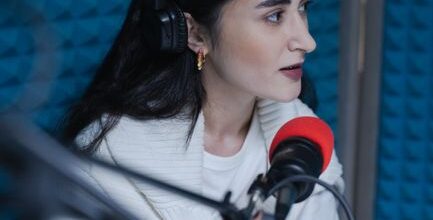
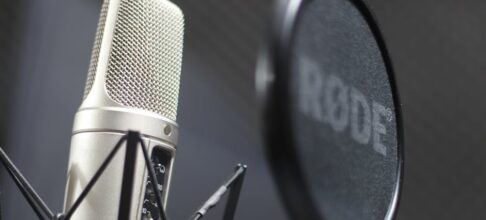
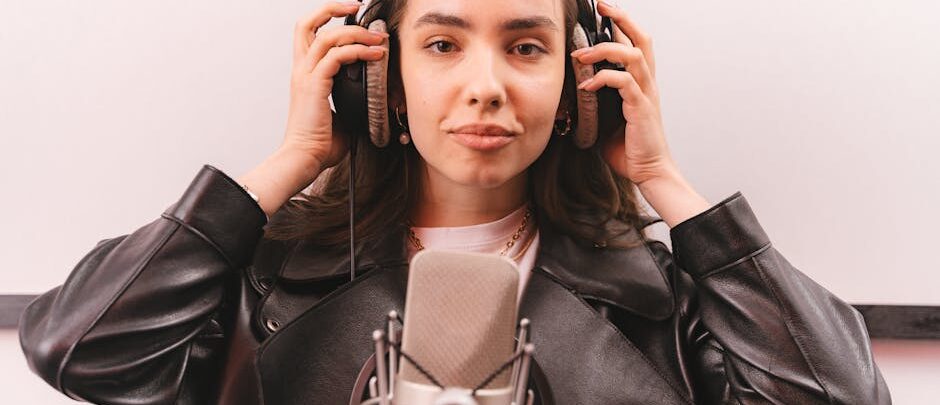
One Brisbane-based voice artist I met last year had built her entire client base around North American audiobook projects—using nothing more than a home booth setup (RØDE NT1 mic, IKEA wardrobe padding) and a reliable NBN connection. She recently voiced the lead character for a Canadian indie game without ever leaving Queensland.
A Twist in Gaming: Why Studios Don’t Always Want Neutral Accents Anymore
It isn’t just advertising or narration where Australian voices are getting tapped. Video game localization has become another unexpected growth area. Consider Mighty Kingdom—the Adelaide studio behind titles like "Wild Life" and contract work for Disney Mobile Games. In their pipeline review, they cited increasing pressure from U.S.-based publishers to cast regionally diverse voice actors—even for projects not explicitly set in Australia.
The rationale? According to one localization manager: “Gamers are hyper-attuned now—they can spot forced neutrality instantly.” As such, roughly % of their English voice tracks now feature subtle Australian inflections by design rather than accident. And not just gruff outback stereotypes—a range of urban dialects are making their way into fantasy worlds and sci-fi settings.
AI Tools Crash the Booth (But Not Quite How You Think)
Then there’s AI—and not everyone is thrilled about it yet. Some expected synthetic voices would push out flesh-and-blood actors almost overnight after Google Cloud released its enhanced Wavenet models with Australian presets back in . But reality is messier.
Instead of replacing human performers outright, most Sydney post-production houses use AI as part of pre-visualization or temp-tracking workflows only—reserving final delivery for real actors who can improvise tonal nuances or comedic timing on live direction calls via Zoom.
A senior engineer at Cutting Edge Brisbane explained that while up to % of initial drafts use AI placeholders (to keep costs low during client sign-off), actual broadcast work remains overwhelmingly human—at least for now.
History Repeats Weirdly: Remember When Nobody Wanted Our Voices?
There’s irony here if you look back far enough: In the late ‘90s, U.S.-imported cartoons airing on ABC regularly dubbed over Australian child actors with generic mid-Atlantic accents before export—to "avoid confusing kids in Canada," apparently. Now it’s international brands actively seeking out those same accents as authenticity currency.
The numbers tell part of the story—a tripling (by some estimates) of export market revenue tied directly to vocal talent since —but so does anecdote: one production manager at Squeak E Clean Studios laughed when describing how often he fields requests specifically asking for "Australian warmth" alongside technical specs like WAV/48kHz/24bit delivery.
Not Just Big Cities Anymore: Rural Talent Goes Remote-Global
And perhaps most surprising is how remote connectivity has flattened geography entirely within the industry itself. In practice:
Real-world proof that you don’t need postcode privilege anymore—the pipelines are everywhere.
What Happens Next? Maybe More Contradictions Than Answers...
If there’s a conclusion here—it’s only partial and provisional; nobody knows how far this will go or which tech will stick permanently onto sound waves next year or next decade. But inside control rooms from Perth to Prague—and increasingly inside home closets kitted out with foam panels—the rise of Australian voice over isn’t theoretical anymore.