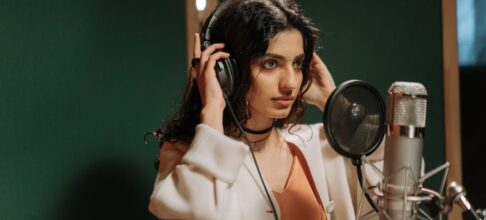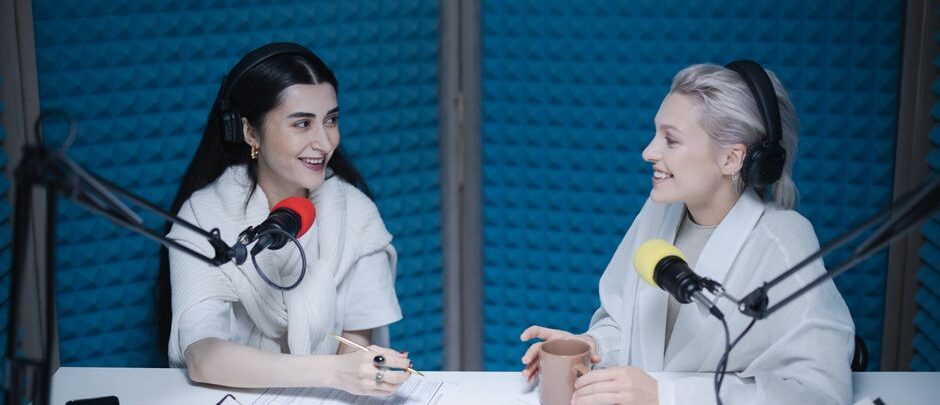
There’s a booth in Tirana, somewhere above the city center, where the air still smells faintly of coffee and the muffled laughter of actors. It’s not the kind of place you’d spot on a Netflix scouting trip, but it’s one of Albania’s best-known post-production studios—DubbingALB—where, since 2012, a handful of sound engineers and voice talents have been documenting every slip, stumble, and small victory in Albanian voice over work.
Ask Erion Halili, who has directed more than 500 hours of dubbed content for Balkan streaming channels, what keeps him up at night. "It’s never about finding voices," he tells me. "It’s about making them fit — into scripts written for places that aren’t here."
Finding Voices in a Crowded Silence
For much of the late 1990s and early 2000s, Albanian audiences watched foreign films with subtitles or not at all. Dubbing was viewed as a luxury reserved for Italian cartoons beamed in from across the Adriatic (old-timers still remember the Mediaset dubs with misplaced enthusiasm).
In 2014, something shifted: regional broadcasters began requesting localized versions of Turkish drama series—a genre that now accounts for nearly 30% of prime-time viewing on Albania’s top three commercial networks. Studios like DubbingALB and MediaVoice Sh.p.k found themselves scrambling to assemble voice pools almost overnight.
Cataloguing Human Timber: An Unexpected Research Project
By 2016, DubbingALB had quietly started building what would become the first semi-formal database of native Albanian vocal profiles. This wasn’t an academic exercise—it was a practical necessity. With only about two dozen reliable voice actors available (at any given point), directors began tracking everything from vocal range to dialectal quirks.
A typical workflow? When Netflix entered the Balkan market in late 2017 with its demand for children’s animation dubs, DubbingALB ran emergency casting sessions at local acting schools—recording and annotating hundreds of short samples per week for future use. Their spreadsheet grew to include notes like “urban Tosk accent” or “can do elderly male villain.”
MediaVoice Sh.p.k went further by tagging voices according to mood adaptability—a concept borrowed from German localization teams they’d consulted with via Zoom during pandemic-era remote projects.
The Data Nobody Cared About—Until They Did
At first glance, this homegrown research looked trivial—until international platforms took notice.
By mid-2021, when Disney+ piloted its Albanian interface soft-launch in Kosovo (population: just under two million), they requested access to these databases as part of their localization due diligence process. According to reports from MediaVoice project manager Aida Gega, having documented actor metadata shaved weeks off casting timeframes versus typical regional workflows.
Now there is even talk among production managers in Skopje and Pristina about pooling resources for a cross-Balkan talent registry—a far cry from pre-2015 days when any fluent speaker might land a gig simply by showing up.
Case Example: A Workflow Breakdown From Tirana to Sydney
Take last year’s animated feature localization campaign run by MediaVoice Sh.p.k for an Australian mobile game publisher expanding into Southeast Europe.
Instead of starting with cold auditions—as was standard practice five years ago—the studio pulled up their annotated database built over years: accent tags, emotional registers, prior roles noted beside each name. Sessions ran remotely through Source-Connect; files were delivered within four business days instead of two weeks—a reduction attributed directly to this ongoing actor research effort.
Sydney-based clients reported back: “We were surprised by how quickly suitable talent surfaced—even given our requests for specific regional inflections.”
AI Enters the Room—and Gets Sent Out Again (For Now)
Of course everyone wants to know if artificial intelligence will kill off small-market dubbing altogether. In practical terms? Not yet—not in Albania anyway.
Most studios here experimented with AI-generated voices between 2022–2023 using tools like Descript Overdub and ElevenLabs’ synthetic models. The results? Usable for background loops or minor characters; disastrous when deployed on lead roles where authenticity matters most.
One notable failure involved an attempt by an EU-funded documentary team based in Brussels to synthesize archival narration using AI-trained on archived speeches by famed broadcaster Arjan Konomi. The uncanny valley effect was so strong that test audiences actually laughed during somber segments—the project reverted back to hiring veteran human actors within weeks.
Meanwhile German-based agency Lokalize Ltd., which regularly subcontracts overflow dubbing work throughout Eastern Europe (including Tirana), estimates less than 12% adoption rate for AI-driven full-length voicing outside advertising spots or e-learning modules—as of Q1 2024.
Dialects Don’t Travel Well—and Other Frustrations
Here is something often missed in Western production guides: Albanian isn’t monolithic. There are two principal dialect groups (Gheg and Tosk) plus countless micro-regionalisms that carry cultural baggage far heavier than English speakers realize.
In real-world terms? When HBO Max commissioned a pilot dub for its flagship crime series into northern Gheg dialect last year—in hopes of capturing viewers across Kosovo—they learned quickly that Tirana-based actors struggled mightily with unfamiliar idioms and pronunciation shifts despite being fluent Albanians themselves.
Producers ended up flying in three veteran radio presenters from Pristina just to get six key scenes right—a logistical headache but also testament to how granular serious localization can be even within tiny language markets.
Who Owns the Metadata?
As more studios invest time cataloguing their vocal assets—and international partners come knocking—an odd question has arisen: does your studio own your voice print if it sits inside a master spreadsheet?
In practice across most European Union member states, GDPR rules mean actors must give explicit consent before their samples can be shared beyond original project scopes. This became painfully clear last autumn when MediaVoice sought permission from twelve regular contributors before handing over anonymized audition clips to an Amsterdam-based gaming startup seeking Balkan expansion rights—but two declined out of privacy concerns, stalling negotiations until replacements could be found.
Numbers Tell Only Part Of It…
But let’s get concrete:
- Average number of unique native voices per active Albanian studio (2023): 18–35 depending on project type;
- Typical turnaround time reduction after robust research implementation: cut by nearly half compared to ad hoc workflows;
- Percentage growth in foreign-language dubbing requests post-pandemic: estimated at ~40% increase compared with pre-COVID years (per informal survey among four leading Tirana studios);
- Hours spent annually updating internal databases per mid-sized studio: roughly 90–120 hours—a cost increasingly considered part-and-parcel rather than overhead waste.
These numbers don’t capture what makes someone stick around long enough to notice incremental improvements—or why so many leave after only one season behind the mic.