There’s a phrase you’ll hear tossed around in post-production suites from Copenhagen to Berlin: "Make it sound Danish, but don’t lose the punch." The world of Danish voice over is filled with these kinds of contradictions. It’s the art of being invisible, yet unmistakably local.
In the mid-2010s, when Netflix first started rolling out its Scandinavian catalogs, demand for authentic Danish voice performances jumped. Suddenly, what used to be a niche service—used mostly for children’s programming or government PSAs—became part of an international workflow. Today, if you walk into SoundBox Studio in Frederiksberg on a weekday morning, odds are you’ll find someone behind the glass rehearsing lines that will reach millions of ears via streaming platforms.
The Unseen Craft: Making English Content Speak Danish
Ask anyone at BTI Studios (now IYUNO-SDI Group), which has handled dubbing for major platforms across Europe, and they’ll tell you: proper Danish voice adaptation isn’t just about translating words. It’s about rhythm and mouth movement—the sync must feel effortless or viewers disconnect instantly. A senior project manager once described spending half a day on a single minute-long animated scene because the lead character’s laughter simply didn’t land with test audiences. "Too American," she said. "We needed something more deadpan, more 'Jylland.'"
So how does the process really unfold? Most projects start with script localization—a hybrid job that mixes translation with cultural rewriting. In practice, this might mean swapping an American pop culture reference for something recognizably Danish ("Harry Potter" jokes become "Bamse og Kylling"). Then comes casting. For big animation projects like DreamWorks’ "Trolls World Tour" (), local agencies such as SDI Media Denmark hold open auditions among seasoned stage actors and even comedians to capture not only age and gender but the right regional accent.
Real Workflow: From Recording Booth to Streaming Platform
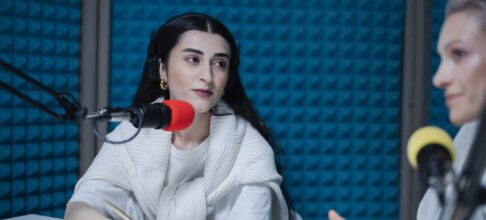
A typical session at a studio like Adaptor Sound in Aarhus involves three specialists: the director, who guides delivery; the engineer, who tweaks audio levels; and—crucially—the linguistic editor who checks every line against both source meaning and lip movement. This isn’t one-take work: most -minute episodes require two full days in studio plus several hours of post-processing for timing and clarity.
By , platforms such as Viaplay had doubled their investment in Scandinavian audio localization compared to five years prior—a result of competitive pressure from Disney+ and Amazon Prime Video entering Nordic markets. For studios, this means unpredictable surges in workload; one week might bring five new pilot series needing immediate voice adaptation. At least half the time spent is devoted not to recording but fine-tuning timing so dialogue lands perfectly within tight animation frames.
Game Localization: Beyond Cartoons and Dramas
But it isn’t just television where Danish voice over matters. Interactive entertainment studios—like IO Interactive (creators of "Hitman") based in Copenhagen—have been integrating local language support since their global launches picked up pace after . Here, the demands are different: game dialogue often needs multiple takes for branching storylines or user-driven pacing.
In one recent workflow observed at a Malmö-based subcontractor working for Paradox Interactive's historical games (which often feature Danish monarchs), each session involved historians double-checking pronunciations while actors delivered lines ranging from medieval proclamations to modern quips. The challenge wasn’t simply accuracy; it was making archaic language accessible without sounding artificial.
Voice AI Enters the Scene… Carefully
No discussion today is complete without mentioning artificial intelligence tools like Respeecher or LOVO.ai—which have begun making cautious inroads into European localization workflows since around . Yet many Copenhagen studios remain skeptical about fully automated solutions when authenticity is at stake.
A producer at M2 Film described testing synthetic Danish voices for explainer videos targeted at schoolchildren but reverting back to live actors due to lack of emotional nuance (“Kids notice if it sounds off—they tune out”). In practice, hybrid workflows have emerged: AI may generate base tracks for internal reviews or temp dubs while final public releases still rely on human performers for main roles.
Distinctive Features: What Makes a Voice Over ‘Danish’?
Here’s where things get interesting—and subjective. Unlike German or French dubbing traditions known for their formal delivery styles, Danish voice overs tend toward understatement and irony—a cultural trait rooted deeply enough that attempts at exaggerated emoting usually fall flat with local audiences. This subtlety poses unique challenges when adapting genres like superhero cartoons or melodramatic telenovelas.
A veteran director at Voicearchive recounted efforts during late-night sessions trying to coach energy into scenes originally designed around American high-pitch enthusiasm—only to tone everything back down after focus-group screenings (“It sounded too much like parody”).
From Local Ads to Global Platforms: Scale & Demand Patterns
Smaller-scale productions—from radio ads promoting Jysk furniture sales to official announcements by Copenhagen Airport—have long used native speakers sourced through agencies such as Speak Agency DK. As video marketing exploded between – (with estimates suggesting online video ad spend in Denmark rising nearly % annually), even regional brands found themselves commissioning regular batches of tightly-scripted voice content tailored specifically for social media consumption.
For global players like LEGO Group headquartered in Billund, all product videos aimed at young Danes go through meticulous voice direction cycles involving child audience tests before release on YouTube Kids or Instagram Reels—a detail-oriented approach reflecting how sensitive brand reputation can be locally.
Learning Curves & Talent Pools – Not Just About Speaking Fluent Danish
One overlooked reality is talent scarcity outside metropolitan centers. While cities like Copenhagen host dozens of trained VO professionals (many with backgrounds in theater), smaller towns often rely on traveling talent pools coordinated by agencies who schedule back-to-back bookings across multiple studios during busy periods (typically leading up to major holiday campaigns).
Some directors note this leads to subtle dialectical shifts creeping into regional commercials—a phenomenon noted by advertisers targeting specific demographics within Zealand versus Jutland (“You can always tell when someone’s faking Århus,” joked one creative lead). Efforts since early 2020s include remote recording setups using Source-Connect or similar platforms allowing broader geographic participation despite travel constraints—a trend solidified during COVID-era lockdowns when remote collaboration became essential rather than optional.
Budgets vs Quality – Hard Choices In Tight Markets
Cost pressures are never far away. Industry insiders estimate per-minute rates for high-end Danish voice over range from €–€ depending on use case—with lower-budget web content sometimes relying on semi-professional talent or AI-generated placeholders until final approval arrives from clients abroad (especially common among Nordic SaaS startups pushing rapid product explainers).
Yet executives stress that skimping rarely pays off long-term: “If your character doesn’t sound trustworthy—or worse yet sounds generically Scandinavian instead of truly Danish—you risk losing your core market,” says an account manager from Nordisk Film Distribution overseeing multi-language rollouts each quarter.
The Subtle Power Of ‘Normalcy’
Perhaps what makes this field fascinating is its contradiction: success lies less in standing out than blending seamlessly into daily life—making Peppa Pig sound indistinguishably natural whether she’s exclaiming “Wow!” at Legoland Billund or musing about puddles under gray Copenhagen skies.
That invisible hand guiding so much digital content? It’s there every time you forget you’re listening to a dubbed commercial break between Champions League matches on TV3 Sport Danmark—or when your kids shout along word-for-word with characters whose origins are thousands of miles away but whose voices now belong entirely here.