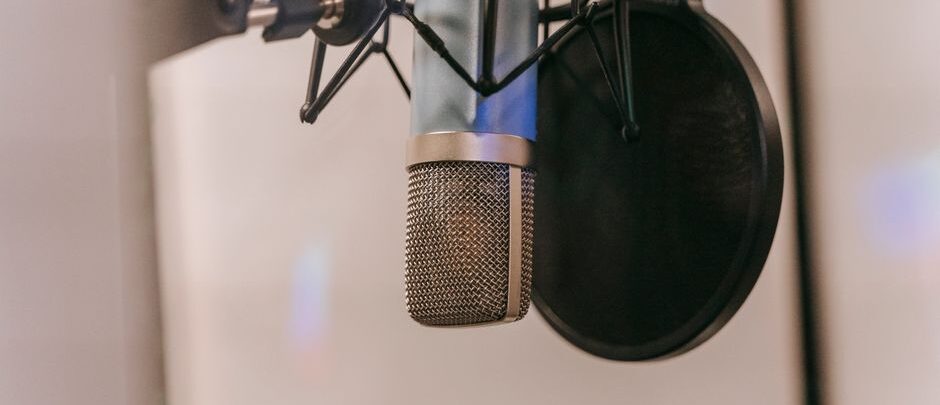
In a Soho post-production suite last winter, a heated debate broke out between a Glaswegian actor and a London-based producer. The question: could a synthetic Scottish accent ever deliver the punch of a live-read for that whisky brand’s UK-wide campaign? It wasn’t just theoretical. The client was seriously considering AI-generated voice samples after hearing some promising tech from ElevenLabs, which has been quietly gaining traction among smaller creative agencies across Britain since early 2023.
This is the new reality for Scottish voice over—a market shaped by centuries-old tradition, but now being redrawn overnight by technology, globalization, and shifting audience tastes. If you’d wandered into BBC Scotland’s radio drama studios in Glasgow back in 2010, you’d have found analog tape decks and casting boards dominated by familiar names; today, you’re as likely to encounter remote session links piped in from Toronto or Berlin as you are local talent warming up outside Queen Margaret Drive.
A Market Once Underestimated
Scottish voice work used to be pigeonholed—quirky adverts, background characters, or the occasional “authentic” narrator for documentaries about lochs and clans. But around 2017, things shifted. Netflix’s arrival on British screens didn’t just mean more content—it meant more demand for regional authenticity. By 2019, major video game studios like Rockstar North (best known for Grand Theft Auto) were hiring Glaswegian actors to punch up dialogue in open-world games intended for international audiences.
I spoke with an Edinburgh-based agent last month who represents three Scottish voice talents featured in Ubisoft titles since 2021. She described a rapid uptick—"in two years we saw our international bookings triple, much of it driven by streaming platforms wanting voices that feel real rather than generic ‘British.’”
From Dialect Coach to Dialogue Engine
The defining trend of late isn’t just demand—it’s precision. Companies want not only a “Scottish accent,” but pinpointed nuance: Aberdonian versus Ayrshire; Highland lilt versus urban patter. In the last year alone, localization teams at CD Projekt Red (the Polish studio behind Cyberpunk 2077) have contracted Scottish linguists to ensure their fantasy worlds include accurate dialect references down to regional slang.
A production manager at Side UK in London told me their workflow now routinely includes multiple takes—first with standard RP English, then with tailored regional reads. For one recent animated series commissioned by France Télévisions (aired March 2024), they recorded three separate Scottish versions: one broad Glasgow; one softer Edinburgh; one hybridized mix designed for pan-European audiences less familiar with local speech patterns.
Remote Recording Changes the Casting Game
COVID-19 turbocharged remote workflows everywhere—but in Scotland it unlocked access to talent living far from media centers. Aberdeen’s Red Facilities studio reports that nearly half its new business since mid-2021 comes from clients outside the UK seeking authentic Scottish reads via Source-Connect or SessionLinkPRO.
The practical impact? A children’s audiobook publisher based in Sydney recently completed an entire project using five Scottish narrators recording from home setups dotted around Stirling, Inverness, and even Orkney—delivering uncompressed WAV files direct to Australia within four days. This sort of cross-continent workflow simply wasn’t possible ten years ago when ISDN lines ruled (and cost £250 per hour).
AI Voices Enter the Fray—But With Limits
Then there’s artificial intelligence—the elephant lurking behind every microphone stand these days. In real campaigns observed at several mid-tier ad agencies in Manchester and Dublin during Q1 2024, synthetic Scottish voices were trialed mainly as placeholders or for internal demos; none made it into final broadcast spots after feedback from focus groups indicated subtle “uncanny valley” discomfort.
Still, usage is creeping upward on budget-sensitive projects: some e-learning platforms (notably a German edtech start-up launching Gaelic content this year) have opted for AI-generated narration when budgets can’t stretch to live actors. Expect more hybrid models—AI first draft followed by human polish—as tools like Play.ht improve their ability to mimic natural speech quirks unique to specific regions of Scotland.
Cultural Authenticity Remains Non-Negotiable
There remains deep skepticism among established creatives about fully synthetic solutions replacing lived experience. Skye-born actor Isla MacLeod recounted her recent experience voicing a tourist board promo: “They tried running my lines through an AI filter to ‘clean up’ pronunciation—and suddenly it sounded like I was from nowhere.”
This tension plays out most visibly when brands try to balance global reach with cultural truthfulness—a line walked daily by agencies such as Leith Agency (Edinburgh), which manages global campaigns for brands like Irn-Bru and National Trust Scotland. Their creative director told me over coffee last autumn: “Our overseas partners always ask if we can make it ‘a bit more universal,’ but what actually lands is when we lean into what makes Scots voices unmistakable.”
Case Study: Gaming Studios Rethink Casting Rooms
Consider Dundee-based game developer Tag Games, whose mobile title released April 2023 required over thirty character voices spanning Lowlands to Outer Hebrides accents. Rather than relying on central casting calls in Glasgow alone—a pre-pandemic norm—they set up remote auditions via Discord and WhatsApp voice notes.
Of the final sixteen cast members hired for recurring NPCs, nine lived outside Scotland proper (including two expats now working out of Paris and Vancouver). According to Tag Games’ audio director, this approach cut usual scheduling times by nearly 40%, slashing costs while bringing surprising diversity into their character roster—something he says would’ve been impossible without modern remote-collaboration tech combined with strong Scottish diaspora networks.
Shifting Talent Pipelines: Drama Schools React
Traditional drama courses at institutions like Royal Conservatoire of Scotland have responded too—in 2022 they launched dedicated modules focused on microphonics and dialect navigation specifically aimed at emerging voice actors eyeing global markets. Anecdotally, several agents I spoke with noticed graduates are booking commercial gigs faster than before thanks largely to this targeted training shift.
Likewise, some younger talent are building followings directly via TikTok or YouTube shorts—with #ScottishVoiceOver clips racking up millions of views throughout 2023—sometimes leapfrogging agency intermediaries altogether when landing deals with indie animation studios based as far afield as Tallinn or Helsinki.
Beyond Stereotypes: Multilingual Expansion
Another emergent pattern is multilingual crossover work—for instance, London-based localization house ZOO Digital began pairing native Scots-Gaelic speakers alongside English tracks on select streaming platform dubs starting Q4 2022 after noting increased US subscriber interest in "Celtic" content genres. Early indications suggest engagement rates rose approximately 12% where dual-language audio options were offered—not earth-shattering perhaps but enough to catch attention within niche streaming circles hungry for differentiation.
Notably absent so far: mainstream adoption of synthesized Gaelic voices due primarily to technical hurdles around phonetic complexity—a challenge acknowledged openly during this year’s Speechtek Europe conference panel featuring developers from Synthesia.io and Amazon Polly alike.
Conclusion? Not Yet Settled—And That’s the Point
If there’s any consensus among producers on both sides of Hadrian's Wall it's this: whatever happens next will be messy—a friction between craft tradition and digital convenience that won’t resolve neatly anytime soon. Some see promise in scaling local flavor globally via clever tech overlays; others warn against losing hard-won gains in authenticity chasing cost savings abroad.
For now—and probably well into the next wave of platform launches—the soul of Scottish voice over remains less about crystal-clear diction than about texture: those subtle intonations honed over decades in village halls or late-night pub readings above Sauchiehall Street jazz bars. No matter how sharp your codebase or how vast your server farm might be—from Warsaw startups testing neural TTS systems right down to single-mic podcasters outside Perth—it turns out that people still listen most closely when they believe what they hear.