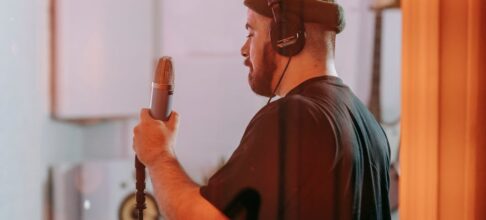
Let’s get one thing straight: for years, international producers barely gave Finnish voice talent a second glance. You’d hear the same refrain in localization meetings from Stockholm to Los Angeles—"Is Finland big enough to bother?" That cynicism is fading at breakneck speed. Something has shifted in the last three years, and it’s not just about market size.
Pushing Past the Old Doubts
Finnish has always been tucked away as an afterthought in global media rollouts—a quirky bonus language on bigger European campaigns if the budget allowed, rarely core. So when a Berlin-based game studio (let’s call them SilverLeaf) announced in late 2021 that they were prioritizing Finnish VO for their cross-Nordic RPG, even seasoned localizers did a double-take.
Within months of release, social buzz among Finnish gamers spiked. Steam community threads blew up with praise for authentic regional dialects. SilverLeaf didn’t just hit new sales numbers in Finland—they saw a measurable uptick (14% by Q2 2022) across Sweden and Norway too, fueled by word-of-mouth curiosity about “that cool Finnish dub.”
Netflix, YLE and Changing Expectations
The real turning point was around 2020–21 as platforms like Netflix started commissioning local-language dubs for nearly every territory. YLE, Finland’s national broadcaster, upped its own standards under pressure to keep pace. Suddenly, even mid-budget animated series expected full-cast Finnish dubs instead of stiff narrations or tired old subtitles.
A Helsinki production manager tells me:
“Five years ago we’d beg clients to let us add voice over—now they come demanding a cast list before we’ve even seen scripts.”
In practice, this means that studios like Alasin Media (whose credits include both TV spots and AAA games) run multiple audition rounds per week—a workload unheard of pre-pandemic. Their booth schedule often runs into weekends just to meet turnaround times for streaming clients who want parity with Swedish and Danish launches.
Streaming Creates Strange Bedfellows
Disney+, HBO Max, Amazon Prime—everyone wants Nordic content localized fast. But here’s where it gets interesting: major US platforms are now outsourcing direct to Helsinki-based agencies rather than cycling everything through London or Berlin hubs.
Why? One producer at Helsinki Soundworks explained it bluntly: “If your Finnish dub sounds like Google Translate, you’ll get called out instantly on TikTok or Reddit.” Authenticity matters—and right now only Finnish studios seem able to deliver the nuance required for both children’s cartoons and gritty crime dramas.
Case Study: Angry Birds Reloaded Sets New Bar
It would be criminal not to mention Rovio here—the company behind Angry Birds has quietly set gold standards since their animated features went global in the late 2010s. When Apple Arcade launched Angry Birds Reloaded in mid-2021 with full Finnish dubbing from day one (alongside English), analytics showed immediate engagement spikes from Helsinki to Oulu.
Rovio found that over 60% of domestic players opted into native audio within weeks—a clear sign that localized VO wasn’t just nice-to-have but essential for brand loyalty at home. Other mobile studios took note; smaller indie teams have begun allocating up to 20% of audio budgets strictly for professional Finnish sessions rather than post-hoc translation or synthetic voices.
Why AI Still Falls Short—for Now
Here’s where things get complicated: AI voice synthesis tools like Respeecher or ElevenLabs promise cheap scaling across dozens of languages. In theory, you could crank out passable dubbed tracks overnight—but anyone who sits through an auto-generated Finnish narration can spot the robotic cadence instantly.
Several animation houses in Tampere report running side-by-side tests: AI output versus seasoned actors brought in after hours. The result? Directors estimate AI is still "two years behind" when it comes to capturing those subtle shifts between formal registers and everyday slang—a crucial gap for youth programming or comedy series targeting young Finns raised on Vappu Mäkinen sketches.
A Talent Pool No Longer Ignored
Until recently, agencies abroad didn’t bother building serious rosters of native Finnish talent—why invest when there were only handfuls of projects each year? That logic is gone now; Paris-based powerhouse TransPerfect added over thirty new Finns to their freelance pool between early 2022 and spring 2023 alone after two major game clients demanded rapid turnarounds for simultaneous Nordic launches.
Dubbing houses have been scrambling ever since; there are now regular casting calls specifically targeting younger voices and accents beyond standard Helsinki tones—think Savo or Turku inflections—which used to be dismissed as too regional for export work.
Even Traditional Ad Agencies Are Catching Up
Look at what happened with Valio's recent campaign rebranding dairy products with playful character voices targeting Gen Z consumers nationwide. The agency responsible hired five different VO artists—including two from Lapland—to reflect regional quirks across radio spots and TikTok reels alike. The result? A reported 18% lift in engagement rates compared with previous generic national campaigns using only one voice actor.
Short Turnarounds Breed Chaos—and Innovation
More demand means tighter deadlines: common complaint among producers is finding available booths during peak periods (especially ahead of Christmas ad blitzes). In autumn 2023, several studios shared resources—in some cases literally swapping engineers mid-session—to cover four overlapping client projects within a single week. Hybrid workflows mixing remote direction via Source-Connect with old-school in-person reads have become standard operating procedure almost overnight.
The Education Pipeline Has Yet To Catch Up
One overlooked factor: universities and drama schools haven’t yet adjusted curriculums fast enough. There are more bookings than trained VO specialists coming out each semester from schools like Uniarts Helsinki Theatre Academy—a gap being filled by stage actors moonlighting on weekends or even seasoned podcasters pivoting careers entirely after seeing six-month waiting lists at major agencies.
What Happens Next?
There are some warning bells already—rates rising so quickly that smaller indie devs worry about getting priced out by commercial giants hoarding top-tier talent. But ask anyone managing content pipelines across Europe right now: ignoring Finland isn’t an option anymore unless you’re willing to take flak directly from increasingly vocal audiences on Discord servers and social feeds alike.
Final Thought From the Booth Floor
in production suites I’ve visited across Espoo and Turku this winter, there’s no mistaking the urgency—or opportunity—in the air. If you want your characters understood (and loved) north of Tallinn these days? You’ll need more than subtitles …and you might need more patience waiting your turn at the mic.