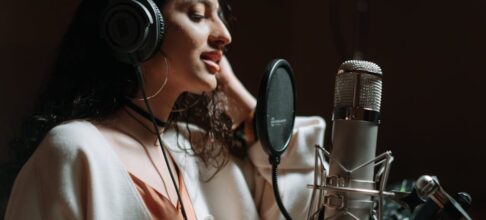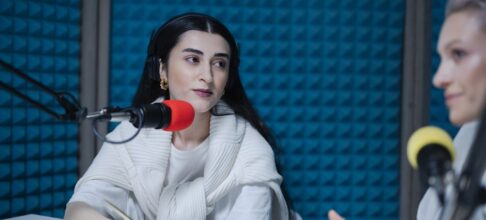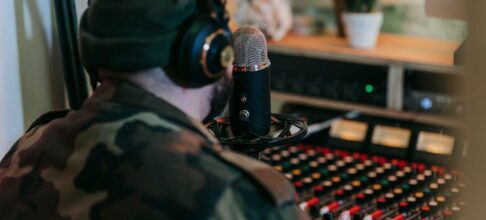
Cassette Era: Scrappy Beginnings
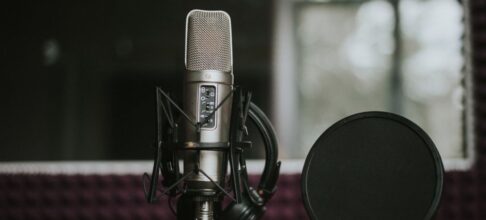
Let’s rewind to the 1980s. Greece was awash with VHS tapes shipped from Germany and Italy. Local video clubs became cultural hubs, often swapping out original foreign-language audio for hastily dubbed Greek tracks. In reality, “voice over” frequently meant one or two actors—sometimes including the studio owner’s cousin—reading all the parts into a single microphone.
The workflow? Chaotic at best. Studios like Studio Alfa in Thessaloniki would block-book three hours for eight episodes of a Brazilian telenovela and hope no trams rattled past mid-take. Scripts were minimal; translation happened on the fly; lip-syncing didn’t exist as a concept yet.
It worked because expectations were low: kids wanted cartoons in their own language, adults wanted action heroes they could understand after work. By 1990, more than half of imported animation shown on ERT1—the national broadcaster—was localized using these homegrown methods.
Commercial Break: Professionalization Arrives
The 2000s marked a turning point. With Greece’s advertising sector booming post-Euro adoption (around 2001), multinational brands demanded higher production values for TV spots and radio campaigns. Suddenly, scruffy workflows wouldn’t cut it: agencies like Soho Square Athens began hiring trained actors instead of cousins and invested in soundproofed booths from Berlin-based suppliers.
A pivotal case unfolded when Coca-Cola Hellas launched its pan-European campaign “Open Happiness” circa 2009. For the Greek market, they insisted on native voices with professional direction—and paid accordingly. This shifted industry rates upward by roughly 20%, according to several veteran voice directors interviewed by Kathimerini in 2017.
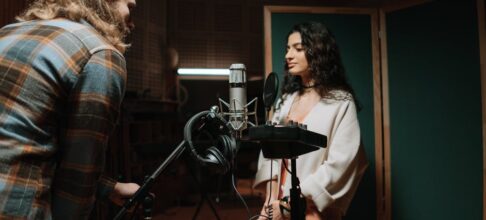
It also gave birth to specialized studios such as Soundflakes (Athens) who carved out a niche offering both advertising and entertainment localization services under one roof. Their pipeline typically included casting sessions with video playback, ADR engineers monitoring sync frame-by-frame, and session files delivered digitally via FTP—a far cry from couriered DAT tapes just ten years prior.
Streaming Platforms Crash the Party
Fast forward to late 2010s: Netflix launches its Greek-language UI in 2018 and starts localizing major series for Hellenic audiences by early 2019. Suddenly, Greek voice artists who had mostly done commercials found themselves reading for Stranger Things or Money Heist dubs.
A typical workflow at companies like Pixelogic Media (which handles Greek dubbing for major platforms) now involves:
- Secure script distribution via cloud-based tools,
- Remote live direction (especially during COVID lockdowns),
- Automated dialogue replacement sessions in full Dolby Atmos suites,
- And strict NDA-enforced processes tracked through proprietary software.
This shift brought scale: According to insiders at Pixelogic Athens, demand for Greek dubbing grew over fivefold between 2018–2023—driven mainly by streaming libraries expanding back catalogs into regional languages.
Video Games Level Up Local Talent Pools
There’s another side effect: video games localization. Since around 2015, global publishers like Ubisoft have included Greek options for titles such as Assassin’s Creed Odyssey (ironic but true). Studios like Pyramind Productions in San Francisco subcontracted local teams in Athens for authentic dialect work—often requiring hundreds of hours per title.
One freelance director recalls wrangling twelve separate voice actors across three continents via Source Connect just to nail regional accents for NPC barks—a logistical headache unthinkable during those mono-mic VHS days.
AI Dubbing: Disruption or Augmentation?
Now comes the latest curveball: synthetic voices and AI-assisted dubbing tools hitting European markets since mid-2022. At least two large Athens-based agencies have quietly started experimenting with Respeecher and Replica Studios’ software—not to replace talent outright but to speed up pre-casting tests or generate placeholder tracks while waiting on celebrity schedules.
A managing partner at Locosound describes their current hybrid process:
“AI gives us rapid drafts so clients can approve style before we call in real actors… But final delivery is always human.”
Still, some veteran performers are wary; union reps estimate that about 10–15% of lower-budget educational videos are now produced using only synthesized voices—a trend likely to accelerate if cost pressures mount further amid Greece’s ongoing media consolidation wave.
The Lingering Contradictions
Yet despite all this tech-forward evolution, walk into a children’s theater rehearsal on Ermou Street today and you’ll overhear budding talent mimicking classic cartoon dubs from Mega Channel circa ‘98—not Netflix originals or game dialogue trees. Old habits linger even as workflows modernize; nostalgia sells almost as well as novelty does here.
And let’s not forget regionalism: while Athens leads commercial VO output by volume (probably accounting for over 70% nationwide), smaller studios from Patras to Heraklion carve out space dubbing folklore audiobooks or microbudget indie film projects—often using remote collaboration tools borrowed from gaming pipelines rather than legacy broadcast setups.
Looking Ahead Without Finality
So where does that leave things? Somewhere messy but vibrant—in flux between eras defined by tape hiss, velvet curtains, Dropbox folders stuffed with ADR stems…
Greek voice over has never been monolithic nor especially predictable; it oscillates between scrappy improvisation and industrial-scale precision depending on budget lines or platform demands.
What matters most isn’t whether AI will win out or if old-school mic techniques survive—it’s that every new twist seems less like replacement than remixing what came before.