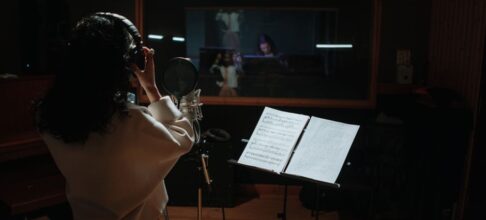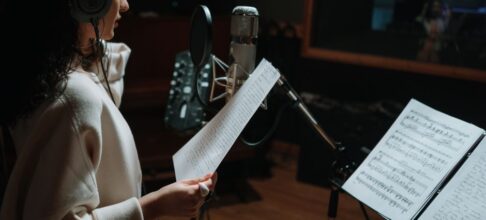
A late-night session at a Los Angeles recording studio. Three voice actors, two sound engineers, and one creative director are crowded around a script for a streaming original series set to debut in multiple languages. The actor behind the microphone is nailing the sarcasm in a teenage superhero’s line, but an engineer stops him—"that read is too British." Everyone laughs, but they know this isn’t just about authenticity; it’s about money—about the hundreds of thousands of dollars that hinge on the "sound" of American voice over.
The Hidden Engine of Streaming Giants
It’s easy to overlook how much of Netflix’s global explosion since 2016 rests on something as elemental as accent and tone. Yet for every Korean drama or German thriller that becomes a hit outside its home market, there are teams of LA-based voices making English versions palatable to audiences from Miami to Manchester. According to content localization insiders at Deluxe Media (headquartered in Burbank), demand for American-accented dubs nearly tripled between 2017 and 2022. For Netflix originals alone, their US studios cycle through hundreds of voice talents each month—each project quietly pumping six-figure contracts into Hollywood’s post-production economy.
Here’s where it gets counterintuitive: most viewers never think about who voices their favorite animated villain or foreign detective in English. But every time an anime like “Attack on Titan” gets an American dub, both Funimation (now part of Crunchyroll) and dozens of contract studios across Texas and California see real cash flow—a single season can mean $300k–$500k distributed among actors, directors, writers, and engineers.
Workflows That Ripple Across Borders
On any given Tuesday in Austin or Dallas, one can find rooms full of talent working on projects that will never even air stateside. This is especially true for gaming: Gearbox Software (based in Frisco, Texas) regularly commissions American-accented dialogue not just for local releases but for European and Asian markets where US English remains the default “neutral” choice.
A typical workflow? A game narrative arrives from Poland’s CD Projekt Red with placeholder Polish lines. In comes a US localization agency—often Keywords Studios’ Los Angeles branch—who casts familiar-sounding voices tailored to resonate equally with New Yorkers and Australians alike. Scripts are rewritten with American idioms; performances aim for subtlety over caricature. The payoff: titles like “Cyberpunk 2077” ship globally with US-style English as their flagship audio track—even when sales figures show most buyers aren’t from North America.
A Niche Export With Outsized Influence
In Berlin or Warsaw dubbing suites (for platforms like Disney+), production managers routinely request "US-standard" English tracks over UK alternatives—not because Germans prefer Brooklyn slang, but because international advertisers perceive American voice overs as more commercially valuable. Veteran Berlin-based mixer Tomasz Zawada put it bluntly: “If we want our campaign to land in Brazil or India via YouTube or Spotify, we order LA talent every time.”
This approach has tangible side effects. While the Polish film industry employs hundreds locally for translation and adaptation tasks, final export-ready tracks often come from California or New York booths—a transatlantic supply chain that splits budgets across continents but centers profits squarely back in America’s entertainment sector.
The AI Disruption That Wasn't... Yet
There was panic in early 2023 when synthetic voice startups like ElevenLabs promised instant dubbing at a fraction of traditional costs. Some predicted mass layoffs or plummeting fees for human performers by year-end. Instead? Most top-tier productions stuck firmly with human talent after early experiments flopped during focus groups.
In practice—and this was seen firsthand last fall at a Culver City post house contracted by Paramount+—AI-generated dialogue consistently failed quality checks on emotional nuance and comedic timing. Budgets have shifted slightly (some studios now earmark 10–15% less per episode compared to pre-2019 highs due to automation tools used mostly for scratch tracks), but actual job counts remain robust so far.
Beyond Entertainment: Training Modules and Tourism Dollars
Voice over isn’t just cartoon dragons or space operas—it powers e-learning giants like Coursera and tourism campaigns from Visit California to Tourism Australia. It also helps sell everything from Fords to fintech apps abroad.
Take Duolingo: Pittsburgh-based product teams routinely commission new sets of American-accented prompts every quarter as they roll out features internationally—not just because learners want neutral pronunciation models, but because companies licensing those modules report higher engagement rates when using "friendly US voices." It’s become standard for global ad agencies (like Dentsu Singapore) buying media placements across Asia-Pacific; their briefs explicitly reference sourcing US voice artists based on listener analytics gathered since mid-2010s digital campaigns.
Tourism is another overlooked vector: during the pandemic years (2020–2021), several state-level tourism boards pivoted hard into remote video tours narrated by well-known American voices (think Morgan Freeman types). According to data shared by Brand USA reps at ITB Berlin 2022, these campaigns led to measurable upticks—a reported 12% increase—in online bookings traced directly back to regions where US-accented content aired versus UK-narrated alternatives.
Economic Multiplier Effects—and Where They Land
Ask anyone managing payroll at Atlas Talent Agency (with offices in both NYC and LA): the impact goes beyond headline rates paid per session ($350–$800/hour depending on union status). There are agents’ commissions, taxes remitted locally, studio rentals booked months out; even catering gigs get filled thanks to marathon sessions on major game launches.
And this doesn’t account for residuals—a system pioneered by SAG-AFTRA agreements since late 1990s cable TV deals—which means successful series can generate trickle-down revenue streams lasting years after initial recording wraps up.
Meanwhile, Canada has carved out its own niche by leveraging proximity and accents close enough for many US jobs; Vancouver-based studios such as Ocean Productions regularly handle overflow work from American networks while still billing under USD-denominated contracts.
When Authenticity Means Dollar Signs Abroad
Why do Swedish car commercials dubbed into Spanish still use faintly American English voices before adaptation? In Madrid advertising circles observed last winter—the answer is simple: brands want aspirational cues associated with “premium” media imports from Hollywood or New York rather than regional dialects that risk sounding parochial elsewhere. The economic effect ripples through not only Madrid audio houses but also freelance rosters stretching back across the Atlantic each quarter—sometimes accounting for up to half their annual turnover according to Estudio Uno staffers interviewed off Gran Via.
And yes—the same pattern holds true whether you’re talking about online video explainers made by Silicon Valley start-ups or branded podcasts launching out of Boston aiming for pan-European audiences.