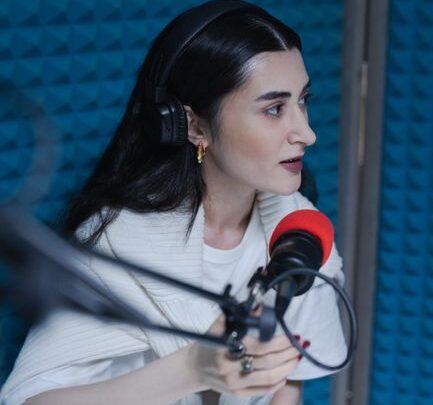
It wasn’t so long ago that Croatian voice over was a niche affair—almost an afterthought in most international media projects. Yet, if you walk into the right production studio in Zagreb today, you’ll hear more than just the familiar cadence of local TV ads; it might be dialogue for Netflix’s latest regional launch or character lines for a new Ubisoft game port. The change is neither sudden nor linear, but it’s unmistakably real—and underway.
The Oddity of Market Silence (Until It Wasn’t)
In the mid-2010s, most global streaming platforms treated Croatian as a “nice-to-have” language. Take Disney+ as an example: their initial expansion strategy in Central and Eastern Europe bundled Croatian with larger markets like Polish or Czech, often leaving local viewers with subtitles rather than dubbed content. Studios in Croatia did produce voice overs for domestic clients—radio jingles, government campaigns—but rarely for international IP.
This dynamic started shifting around . Localization agencies like VSI Group, which has offices from London to Belgrade, began reporting an uptick (roughly –% year-over-year) in demand for full-cast Croatian dubbing—especially for children’s programming and mobile games targeting ex-Yugoslav audiences. As one veteran engineer at Studio Moderna’s Zagreb branch put it to me last fall: “Five years ago we’d get two inquiries a quarter from big platforms. Now there are weeks when three different agencies email us by Wednesday.”
Case Study: Gaming’s Unexpected Push
One catalyst was the gaming sector. In , CD Projekt Red (the Polish studio behind The Witcher series) rolled out an update to Gwent featuring localized voice tracks—including Croatian—for its Balkan user base. The decision wasn’t about prestige; internal analytics showed that player retention in Croatia lagged by % compared to Serbia and Hungary when only English audio was available.
To address this, CD Projekt Red partnered with small Dubrovnik-based localization shop LukaSoundFX. Their workflow was pragmatic: remote casting calls via WhatsApp groups; script hand-offs using Google Drive folders; weekly direction sessions on Zoom due to COVID travel restrictions. After launch, Gwent saw session times among Croatian users increase by nearly %. Since then, LukaSoundFX has doubled its full-time staff—a rare milestone for any creative business on the Dalmatian coast outside of summer tourist season.
Advertising Realities: More Than One Track
Voice over work isn’t just about entertainment anymore. In Croatia, major telecoms like Hrvatski Telekom routinely commission multi-lingual campaigns where Croatian voice talent must match pacing and emotional tone with German or English originals for pan-European rollouts.
A common scenario observed inside Dubbing House Zagreb runs something like this: A campaign lands from a Berlin agency looking to synchronize pan-regional taglines across eight languages. The project manager will tap into local actor rosters via online platforms such as Voice123—but insists on live direction dial-ins so the brand message remains consistent across markets. One producer recalled a recent insurance spot where they recorded six alternate endings just to calibrate humor levels between Slovenian and Croatian listeners.
AI Enters Stage Left (But Doesn’t Steal the Show)
The arrival of synthetic voices hasn’t gone unnoticed either—particularly since late when companies like ElevenLabs began offering Slavic-accented neural voice models at scale. Yet in practice, adoption is less sweeping than hype suggests.
In real-world workflows at mid-sized agencies like Mediavox Split, AI voices tend to serve as reference tracks during pre-production or pitch phases (“scratch tracks,” as producers call them). Final spots destined for broadcast still overwhelmingly rely on human actors—largely because regional brands want authenticity and subtlety that canned voices can’t yet deliver.
An executive at Mediavox told me bluntly last winter: “We tried auto-generated reads for one supermarket chain campaign—it sped up approvals but fell flat when tested against focus groups.” For now at least, Croatian voice artistry remains more craft than code.
Historical Roots Meet Streaming Realities
Go back twenty years and voice work meant Saturday morning cartoons on HRT (Croatian Radiotelevision), usually dubbed quickly and cheaply in-house by a handful of regulars who voiced everything from wizards to washing machines. By comparison, today’s workflow—even for modest social media projects—involves multiple rounds of casting, cloud-based collaboration tools (think Frame.io reviews), and multilingual QA teams stretched across time zones.
A real turning point came during the early pandemic months of when Netflix quietly licensed several classic Yugoslav films—including titles like "Tko pjeva zlo ne misli"—and tasked regional studios with creating high-quality dubs suitable for global diaspora audiences. Overnight, small operators found themselves juggling deadlines set not by Zagreb ad agencies but Los Angeles post-production supervisors working on LA time.
The Talent Bottleneck Is Real—and Solvable?
Despite these advances, Croatia faces familiar growing pains: too few trained VO artists relative to surging demand. According to informal estimates shared by agents at TalentsOnAir.hr in Rijeka, top-tier commercial VO bookings have tripled since —but rates have only risen modestly (~–%). Some seasoned actors split time between audiobook narration gigs and e-learning modules for German edtech startups just to fill their schedules without burning out their best clients.
Talent pipelines are slowly opening up though—with drama schools introducing specialized "mikrofon glume" modules (microphone acting) since and private coaches offering intensive workshops that promise newcomers three finished demo reels by graduation day.
Regional Ripples Beyond Borders
Croatian voice over isn’t confined within national borders anymore either—not since Slovenian broadcasters began requesting hybrid Slovenian-Croatian dubs tailored specifically for cross-border cable channels serving Koper and Istria regions. In these cases studios must navigate subtle dialect differences while keeping costs competitive with neighboring Hungary or Slovakia where labor remains cheaper but linguistic accuracy drops off steeply beyond mainstream languages.
Meanwhile Vienna-based agency Lokalize GmbH recently added Croatian VO services after noticing Austrian brands increasingly run multi-market digital campaigns targeting Adriatic tourists—a seasonal spike that now stretches from May through September each year as visitor numbers rebound post-pandemic.
A Genre Split That Won’t Resolve Soon
Ask ten people working in Zagreb post houses what makes good voice over today and you’ll get conflicting answers depending on whether they’re chasing TikTok virality or prepping long-form documentary narration for German TV buyers:
- Social-first projects crave punchy reads under seconds,
- Children’s apps want playful clarity,
- Automotive commercials demand stoic gravitas,
and almost nobody wants exactly what worked five years ago.
All this means that even established VOs need constant retraining—not unlike how film editors had to pivot from tape splicing to Premiere Pro seemingly overnight back in the early 2000s.
From Local Joke To Global Asset?
Not everyone takes this new prominence seriously yet—in fact there’s still skepticism within some corners of the old guard radio community who see all this talk of cloud collaboration tools and Netflix QA guidelines as faddish distractions (“Give me one mic and a quiet room!”). But budgets don’t lie: according to procurement managers at AdriaMedia Group in Split, average spend per project involving multilingual VO has doubled since pre-pandemic days even though project counts haven’t quite kept pace yet.
There are logistical headaches ahead—particularly around standardizing contracts across EU member states or handling union disputes now cropping up as foreign streamers buy more local rights packages each quarter—but every interviewee agreed that ten years ago none would’ve bet on Croatia becoming a minor hub for Balkan-centric audio production workflows.
What Happens Next Is Messier Than You Think…
and maybe more interesting too. Will AI finally close the gap between cost-conscious brands and picky directors? Or will regional accents remain stubbornly resistant to automation? Having watched jobs migrate from city center studios outwards via fiber-optic cables toward home booths along the Adriatic coast—the answer seems anything but settled.